Equipment scope
Complete Water Bottling Line Equipment List
Review the complete water bottling line equipment scope, from water treatment and bottle blowing to filling, labeling, packing, conveyors, utilities and spare parts.
Connect the Equipment List to a Defined Production Route
Mark each function as new supply, retained equipment or an option. Then check its physical, controls and utility connections against the route you are buying. The final discharge and accepted-output boundary belong in the equipment brief.
Complete Water Bottling Line Equipment List at a Glance
Use this workflow list to check whether a proposal covers the complete bottle-to-pack system. The final scope still depends on source water, bottle, cap, label, pack, capacity and factory conditions.
| Line section | Typical scope | Key input before selection | Quotation check |
|---|---|---|---|
| Water treatment and storage | Source-water intake, project-specific treatment, hygienic treated-water storage and transfer. | Raw-water report, product definition and production schedule. | State the treatment basis and every included tank or process stage. |
| PET bottle supply | Purchased-bottle receiving and feeding, or preform handling, blowing, molds, air and cooling. | Approved bottle or preform drawings, samples and make-or-buy decision. | Mark blowing, molds, compressor, dryer, chiller and transfer as included or excluded. |
| Rinsing, filling and capping | Bottle handling, rinsing, still-water filling, cap feeding, cap application, guards and controls. | Bottle family, neck finish, cap, product and agreed capacity basis. | Confirm approved formats, change parts and test conditions. |
| Inspection, labeling and coding | Bottle or closure checks where required, label application and production coding. | Label material, artwork dimensions, code content and position. | Confirm technology, speed basis, rejects and changeover scope. |
| Packing and conveying | Bottle conveyors, accumulation, packer, pack conveyors and optional pallet handling. | Finished pack pattern, film, tray or carton details and warehouse route. | Check whether end-of-line speed supports the same balanced-line target. |
| Utilities and installation support | Utility schedule, interfaces, startup spares, documents, FAT, installation, commissioning and training. | Factory data, local utility conditions and responsibility boundary. | List every supplier-side, optional and buyer-side item in writing. |
See the Main Systems Before You Ask for Price
A serious complete line quotation should connect water treatment, bottle supply, filling, labeling, packaging, conveyors and installation responsibilities. These visuals help buyers understand what must be scoped before a supplier proposal.
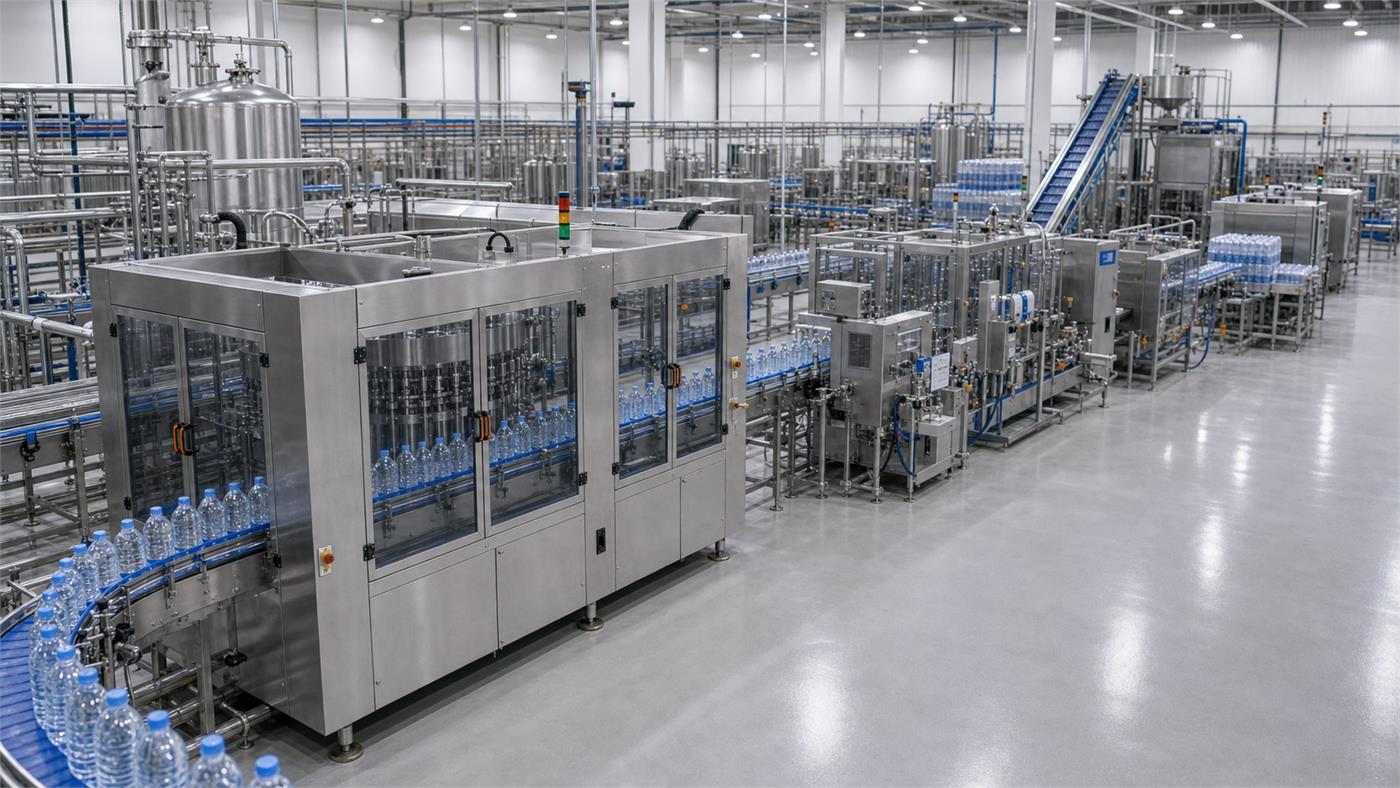
Complete Water Bottling Line
Use the full line view to plan filling, conveyors, labeling, packing, utility access and future expansion as one working system.
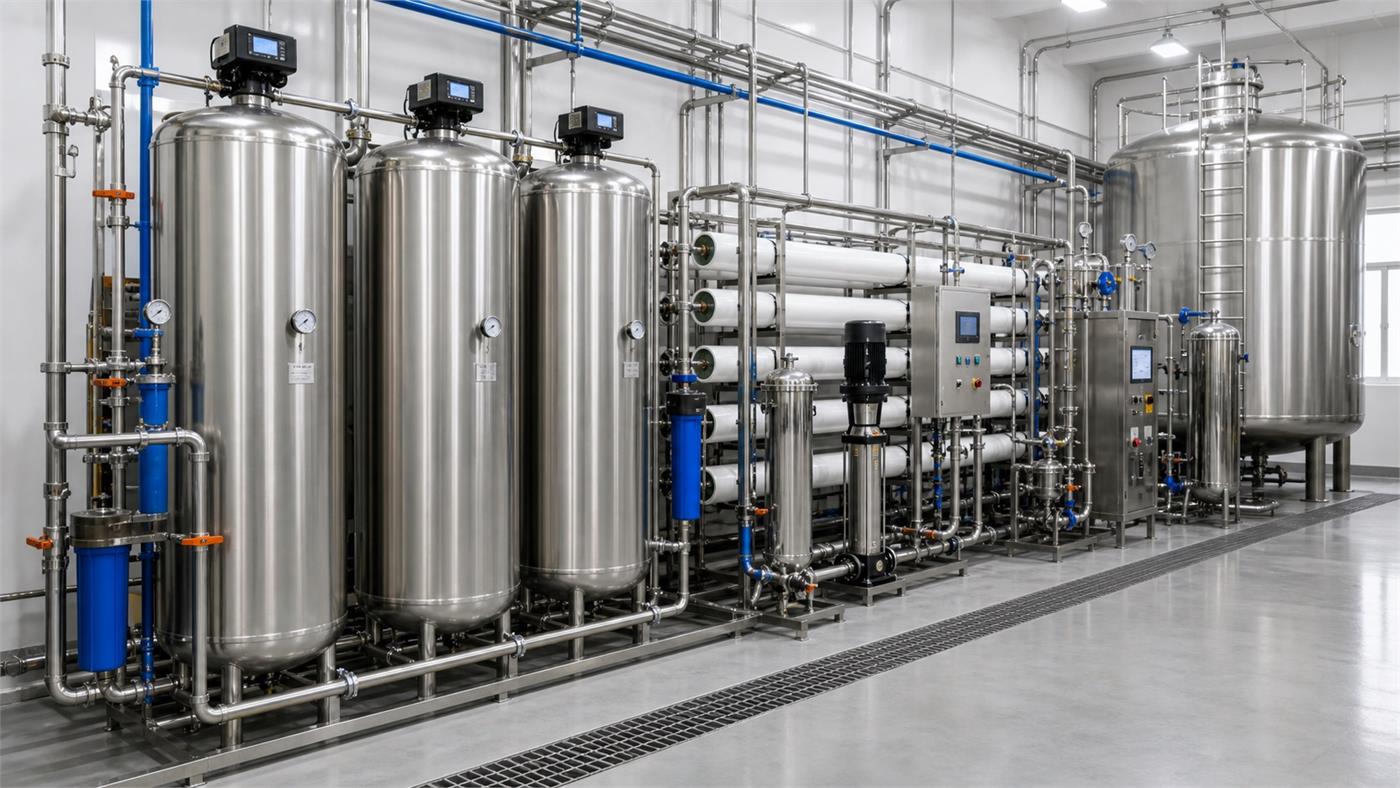
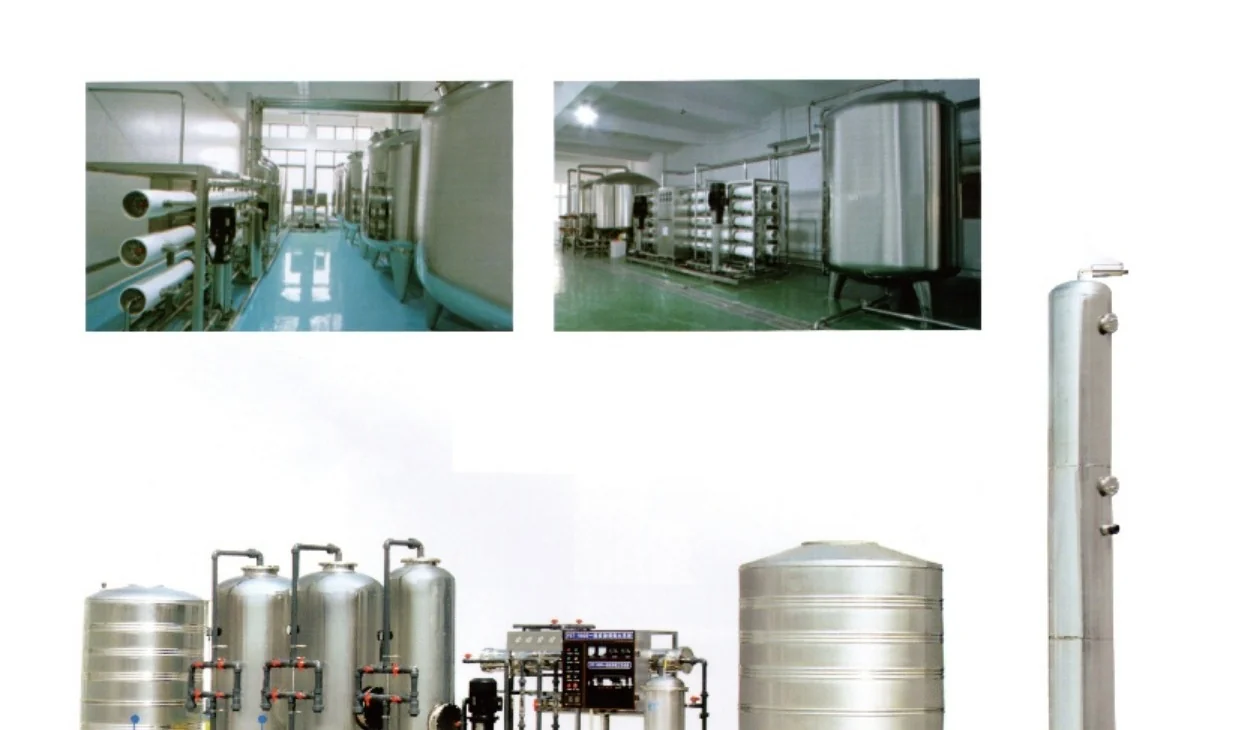
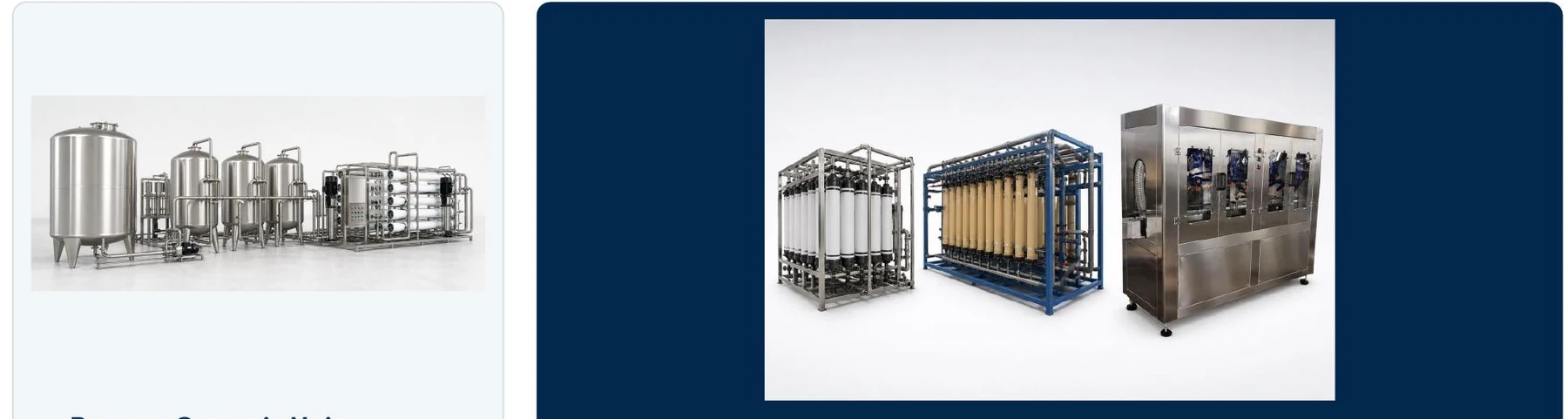
Water Treatment System
Raw water conditions decide filtration, RO, UV, ozone, tanks and testing points before the filling line is selected.
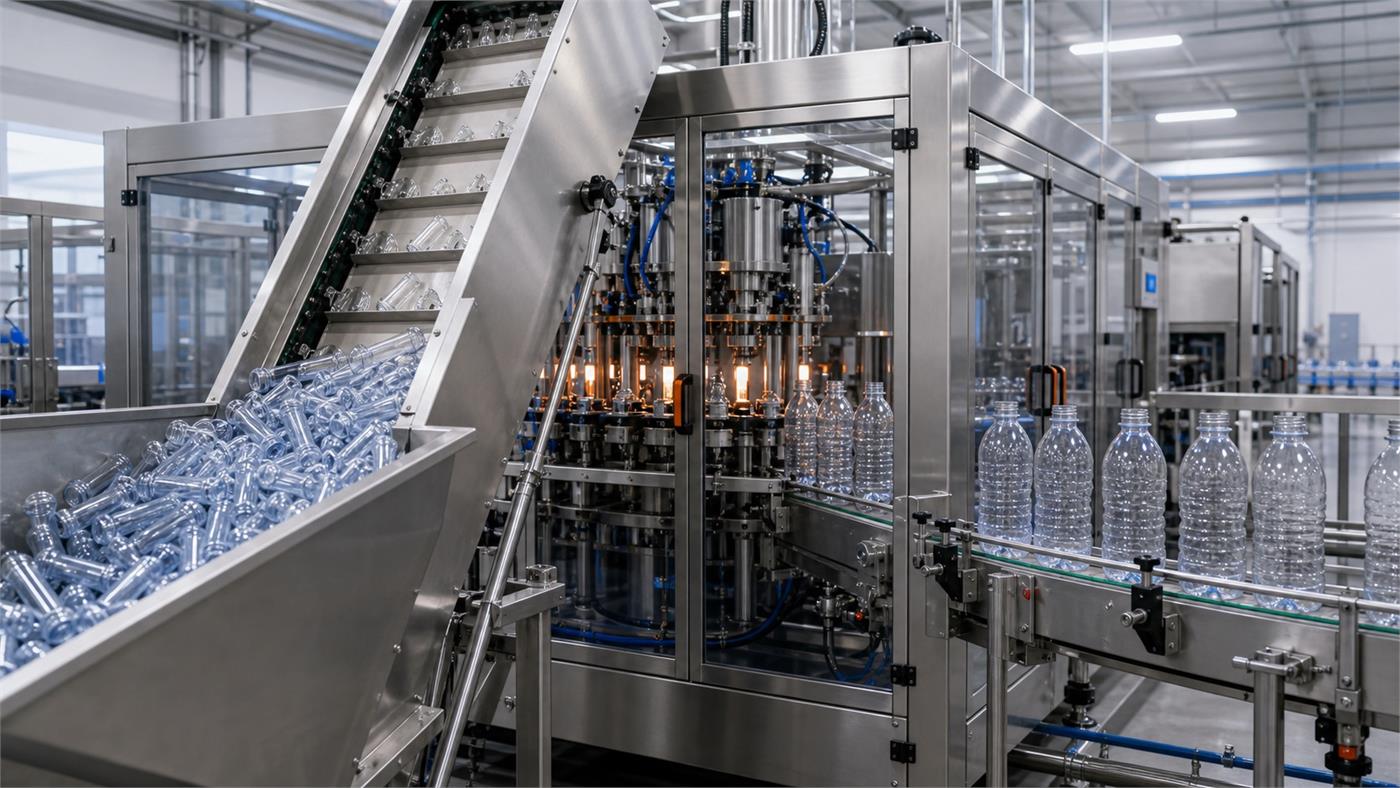
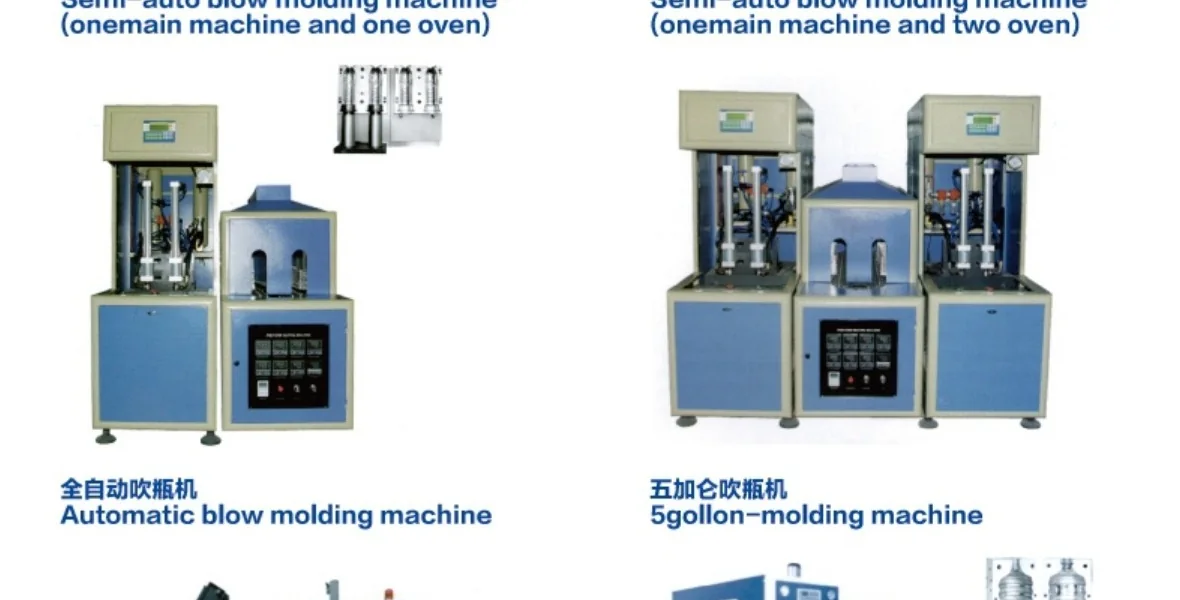
Bottle Supply and Feeding
Purchased bottles or in-house PET bottle blowing changes air demand, bottle handling, floor area and line balance.
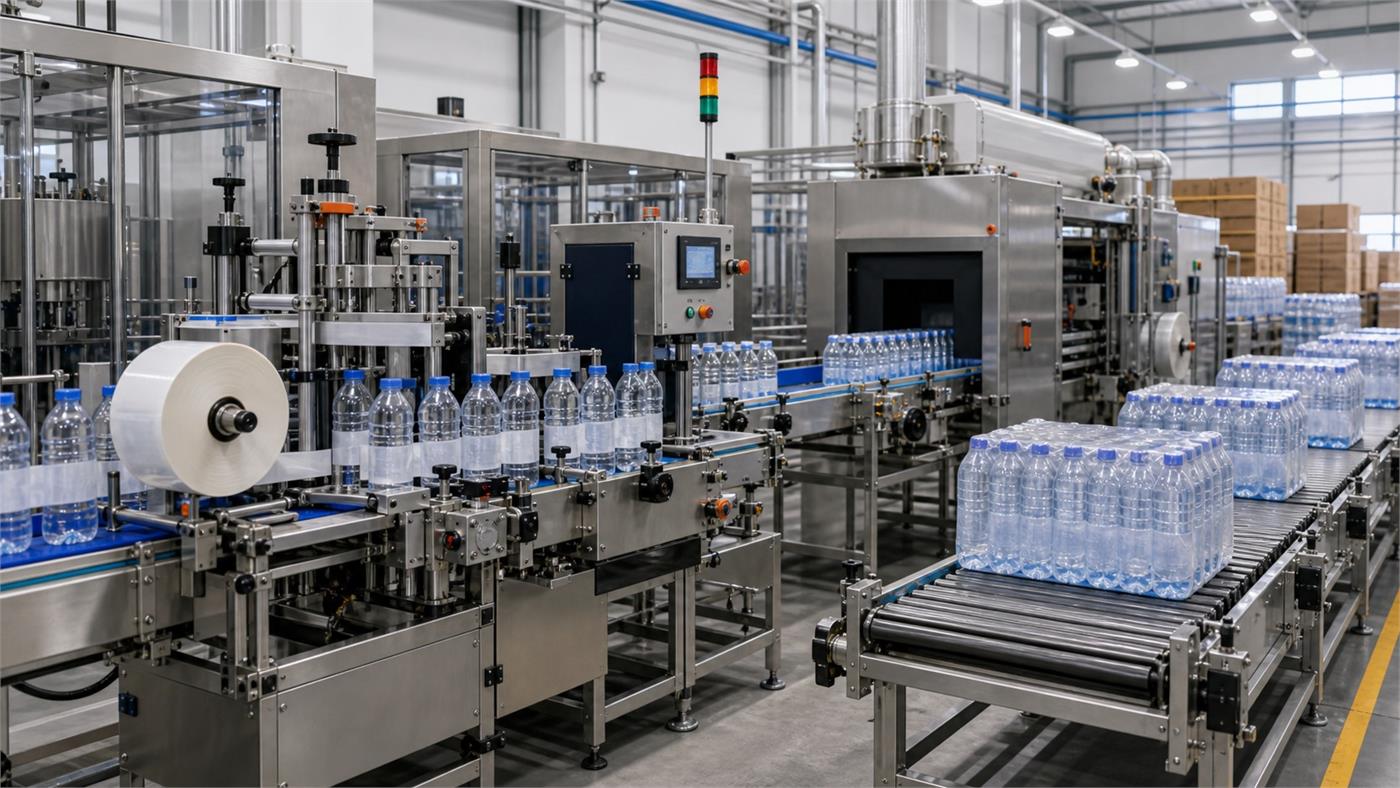
Labeling and Packaging
Labeling, coding, shrink wrapping, carton packing and pack conveyors should be planned before comparing line speed.
What Your Water Bottling Line May Include
Use the scope map as a planning checklist, not a fixed product package. Your quotation should reflect the real plant workflow and local constraints.
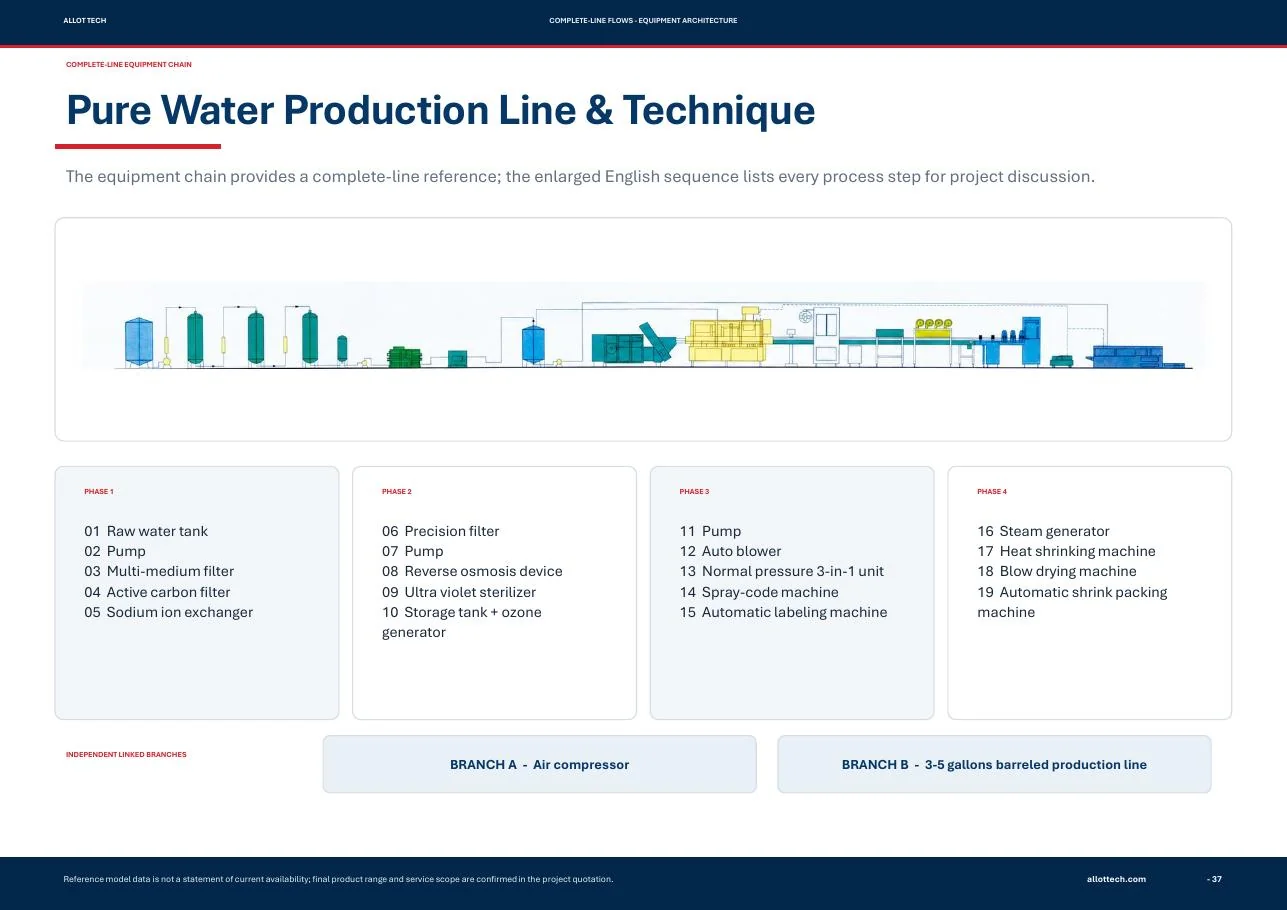
Water source and treatment
Raw water tank, filtration, RO where needed, UV, ozone, treated water storage and quality control planning.
Bottle making or bottle supply
Choose between in-house PET bottle blowing and purchased bottles based on budget, logistics and bottle design.
Filling and capping center
Plan the hygienic center around bottle rinsing, water filling, cap handling and stable bottle transfer.
Labeling and date coding
Match label type, code position and label material to your market and packaging style.
Shrink wrapping or carton packing
Select film packs, tray packs, cartons or palletizing based on distribution route.
Conveyors, utilities and spare parts
Include conveyors, air, power, drainage, installation tools, critical spares and operator training.
Which Equipment Is New, Retained or Optional?
A production function may be necessary without requiring a new machine in every quotation. Separate the function from the supply decision so existing equipment is not purchased twice and essential interfaces are not omitted.
| Function | Supply decision | Evidence to match |
|---|---|---|
| Product-water supply | Buy a treatment/storage package or retain a suitable existing system. Do not assume every project needs the same RO or disinfection stages. | Source-water analysis, product requirements, supply capacity, hygiene and connection conditions. |
| Empty-bottle supply | Buy finished bottles or include preform feeding, blowing and its auxiliary equipment. These are alternative supply routes, not two compulsory purchases. | Bottle and neck drawings, samples, logistics, mold scope, air and cooling requirements. |
| Filling and closure | Specify the new filling center and cap supply; retain existing equipment only where the product and formats are compatible. | Approved bottle/cap combination, agreed output basis, change parts and cleaning access. |
| Label and retail pack | Select the labeler and packer for the saleable format. Existing dry-end machines need an interface and line-balance review. | Label and material samples, pack pattern, reject route and sustained pack rate. |
| Pallet handling and inspection | Identify manual, assisted or automatic tasks explicitly. Automation and inspection are project selections, not proof of regulatory compliance. | Handling plan, quality checks, staffing tasks, maintenance access and acceptance criteria. |
Use one status for each quote line: included, priced option, buyer supplied or excluded. Then record the quantity, document/model reference, connections and responsible party. An existing compressor marked buyer supplied still needs a compatibility check; an excluded conveyor still needs an integration owner.
Ask for a marked layout alongside the list. Each machine and utility connection should have the same identifier in both documents. This exposes missing transfers between otherwise complete-looking equipment lists.
Check the Connections Hidden Between Equipment Packages
Use the equipment list to identify machines, then review the connections that make them one water bottling line. The table below adds interface questions to the machine scope so a quoted component is not mistaken for a complete connection.
Assign each unresolved connection a reference, responsible parties and an evidence requirement. This is especially useful when a treatment system, compressor, blower or packer is retained or supplied by a separate party.
| Connection | What a machine list can leave unclear | Record to request |
|---|---|---|
| Treated water to filling | Delivery point, transfer piping and required operating conditions | Tagged connection schedule and process basis |
| Bottle supply to filler | Bottle compatibility, transfer height, feed arrangement and stop response | Approved bottle reference and interface drawing |
| Labeler to packer | Spacing, bottle condition, accumulation and rejected-product route | Connection layout and operating sequence |
| Utilities to each machine | Source package versus distribution and final connections | Supply/installation responsibility by endpoint |
| Inspection and rejection | Reject collection, confirmation and accepted-product counts | Agreed test case and reconciliation method |
| Packing to final handoff | Conveying, pallet handling, storage boundary and receiving task | Final discharge definition and acceptance count point |
What Low-Price Quotations Often Leave Unclear
Do not compare two offers until both suppliers confirm the same scope, buyer-side responsibilities and startup support.
| System | Must confirm | Common missing item | Why it matters |
|---|---|---|---|
| Water treatment | Raw water assumptions, tank sizes, filtration process and treated water storage | Raw water tank, dosing, ozone contact or testing points | Treatment scope controls product quality and daily filling stability. |
| Bottle supply | Purchased bottles, bottle blowing or future blowing reservation | Molds, chiller, high pressure air and bottle transfer | Bottle choice changes factory space, power, air and handling parts. |
| Filling center | Bottle, cap, speed, cleaning and cap feeding requirements | Cap elevator, reject handling and bottle change parts | A filler price alone does not define a working line. |
| Conveyors | Bottle conveyors, pack conveyors and accumulation sections | Enough accumulation before labeling or packing | Conveyors decide whether the line can run continuously. |
| Packing | Shrink wrap, tray pack, carton pack or mixed route | Packing machine, film test or carton forming assumptions | Packing can become the real output bottleneck. |
| Utilities | Air, power, water and drainage list | Compressor assumptions and local connection responsibilities | Missing utility planning delays installation. |
| Startup support | Installation, training, spare parts and documentation | Training days, wear parts and maintenance checklist | Early production depends on more than machine delivery. |
Systems to Confirm Before Supplier Comparison
The equipment list should describe the production workflow, not just the main machine name.
Water treatment system
Confirm raw water tank, filters, RO if required, UV, ozone, treated water tank and testing points.
PET bottle blowing system
If included, confirm molds, preform handling, chiller, high pressure air and bottle transfer.
Air compressor and cooling support
Check whether high pressure air, low pressure air and cooling assumptions are included or buyer-side.
Bottle unscrambler or air conveyor
Purchased bottles and in-house blowing need different bottle feeding routes.
Rinsing filling capping center
Match bottle, cap, speed, hygiene target and cleaning procedure.
Cap feeding and inspection
Confirm cap size, cap type, cap elevator and rejected cap handling.
Labeling and date coding
Check sleeve label or sticker label, code position and label material.
Shrink wrapping or carton packing
Define retail pack, tray pack, carton pack or mixed packing route.
Conveyors and accumulation
Confirm bottle conveyors, pack conveyors, accumulation and rejection points.
Optional palletizing
Useful for larger output or warehouse flow, but not always needed at startup.
Spare parts and consumables
List wear parts, seals, sensors, belts, tools and startup consumables.
Essential versus optional scope
Separate must-have startup items from future upgrades so budget is controlled.
Compare Two Supplier Quotations by Scope
Use this table to identify missing systems and unclear responsibilities before choosing a supplier.
| Quotation item | Supplier A | Supplier B | Missing or unclear? |
|---|---|---|---|
| Water treatment included? | Confirm | Confirm | Raw water assumptions often differ |
| Bottle blowing included? | Confirm | Confirm | Separate optional scope from base scope |
| Air compressor included? | Confirm | Confirm | High pressure and low pressure air may differ |
| Conveyors included? | Confirm | Confirm | Bottle and pack conveyors can be underestimated |
| Labeling included? | Confirm | Confirm | Sleeve and sticker labels require different systems |
| Packing included? | Confirm | Confirm | Shrink pack, tray pack and carton pack are not the same |
| Installation included? | Confirm | Confirm | Clarify engineer dispatch and local responsibilities |
| Spare parts included? | Confirm | Confirm | Check startup spares, wear parts and tools |
| Training included? | Confirm | Confirm | Operator and maintenance training should be named |
Common Mistakes When Buying a Water Bottling Line
Many bad purchases happen before the supplier is selected. The risk starts when buyers compare incomplete quotations or ignore plant conditions.
- Buying only by lowest machine price
- Forgetting water treatment scope
- Ignoring air compressor and utilities
- Not confirming bottle, cap and label samples
- Underestimating factory layout
- Choosing capacity only by machine speed
- Comparing quotations with missing equipment
- Ignoring spare parts and after-sales support
FAQ
What is included in a complete water bottling line equipment list?
A complete list should identify water treatment, treated-water storage, bottle blowing or bottle feeding, rinsing filling capping, cap handling, labeling, coding, inspection, packing, conveyors, utilities, controls, startup spares, documents and project-support boundaries.
What equipment is included in a complete water bottling line?
A complete scope may include water treatment, bottle blowing or bottle feeding, rinsing filling capping, cap feeding, labeling, coding, packing, conveyors, utilities and spare parts.
Are conveyors included in every quotation?
Not always. Bottle conveyors, pack conveyors and accumulation sections should be clearly listed because they affect line balance and installation.
Which equipment is optional?
Bottle blowing, palletizing, advanced inspection and some end-of-line automation can be optional depending on budget, bottle supply and distribution plan.
What is a 3-in-1 water filling machine?
A 3-in-1 monoblock combines bottle rinsing, water filling and cap application in one connected machine. It does not automatically include water treatment, bottle blowing, labeling, coding, packing or long conveyors.
Can one water bottling line fill different bottle sizes?
Many PET lines can handle a confirmed bottle range with suitable guide adjustments and change parts. Suppliers should review bottle drawings or physical samples because shape, neck, height and stability affect handling.
Can the same line produce purified water and mineral water?
The filling and packing sections may be compatible when the bottle and product conditions are similar, but source-water treatment, process controls, cleaning and local product rules can differ. Confirm the product definition before final design.
What spare parts should be included with a new line?
Request an itemized startup list for seals, belts, sensors, valves, wear parts, filling and capping change parts, labeling consumables and essential tools matched to the offered machine models.
Can one bottling line fill still water, juice and carbonated drinks?
Do not assume one complete line can run every beverage. Product treatment, filling method, cleaning, bottle pressure, temperature and hygiene requirements can differ. Ask the supplier to identify which modules can be shared and which product sections must remain separate.
Can one water bottling line handle 330ml, 500ml, 1L and 1.5L bottles?
A confirmed bottle range may be possible with suitable guides, settings and change parts. Suppliers should review every bottle drawing or sample because neck, height, diameter, shape and stability affect transfer and machine changeover.
What should I request with the equipment list?
Request a process description, itemized machine list, preliminary layout, utility schedule, interface list, startup spares, documentation, training and an included-optional-buyer-side responsibility matrix.
Why confirm bottle, cap and label samples?
Samples help avoid wrong handling parts, label mismatch, cap feeding problems and unstable bottle transfer.
Check whether the equipment list covers the whole production route
A useful equipment list follows water, packaging materials and finished product from source to dispatch. It also identifies auxiliary systems, controls and buyer-supplied boundaries.
Allot Tech Project Desk · Mr KcalBuyer-education content prepared for project clarification. Final equipment scope, engineering values, prices and guarantees must be confirmed in a supplier's written proposal.Updated:
How Should a Complete Water Bottling Line Equipment List Be Organized?
An equipment list is useful only when it connects every machine to the product, container, production flow, utility demand and supplier responsibility. Organize the list by process block so missing interfaces and buyer-supplied work remain visible before price comparison.
Equipment references for this planning stage
These authentic brochure images help buyers identify the machine categories that may sit inside a complete water bottling line. They are not customer-case evidence and do not fix the final model, output, process, utility load or supplier boundary.
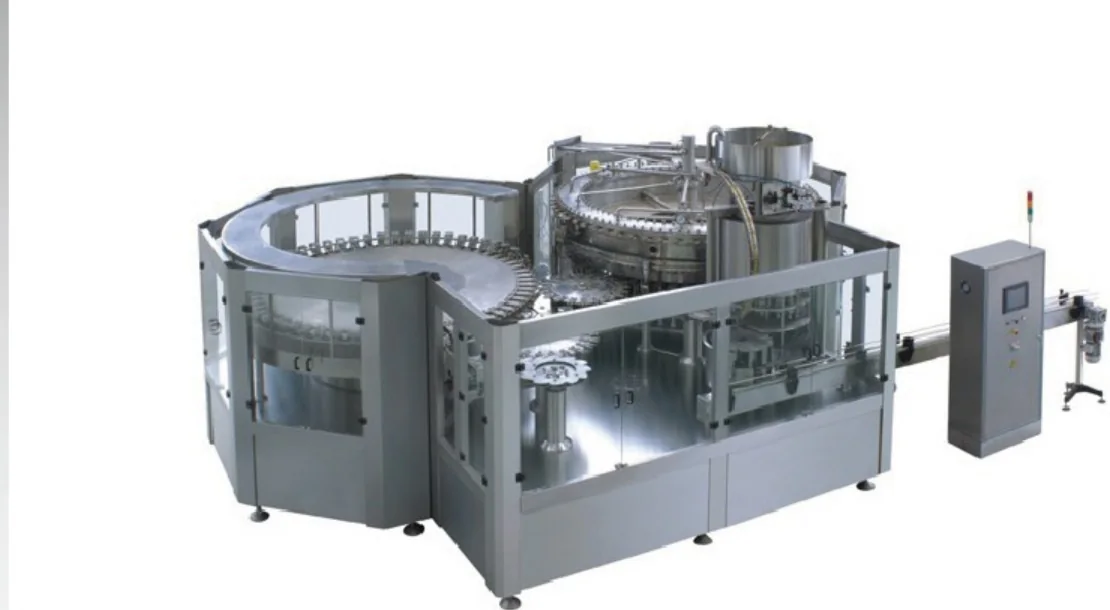
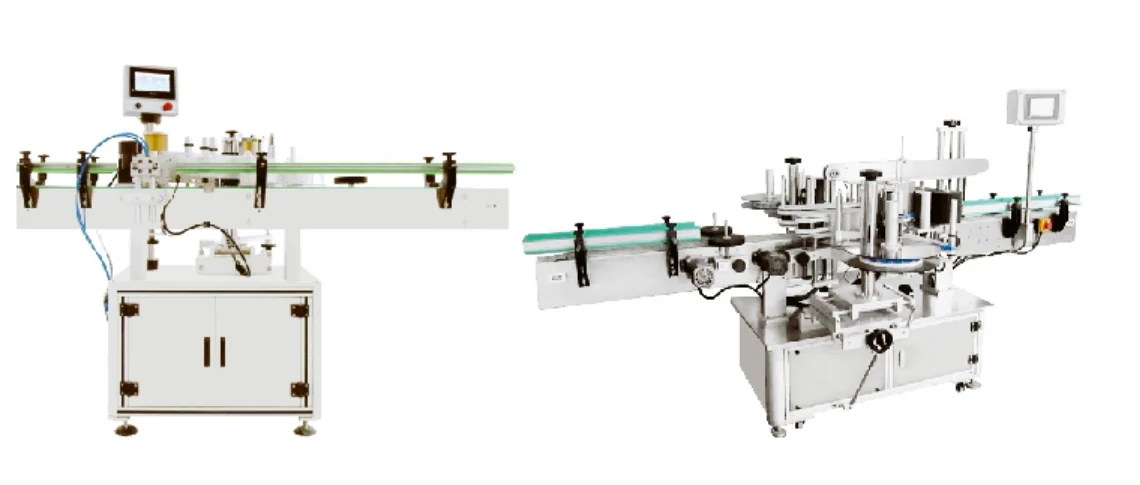
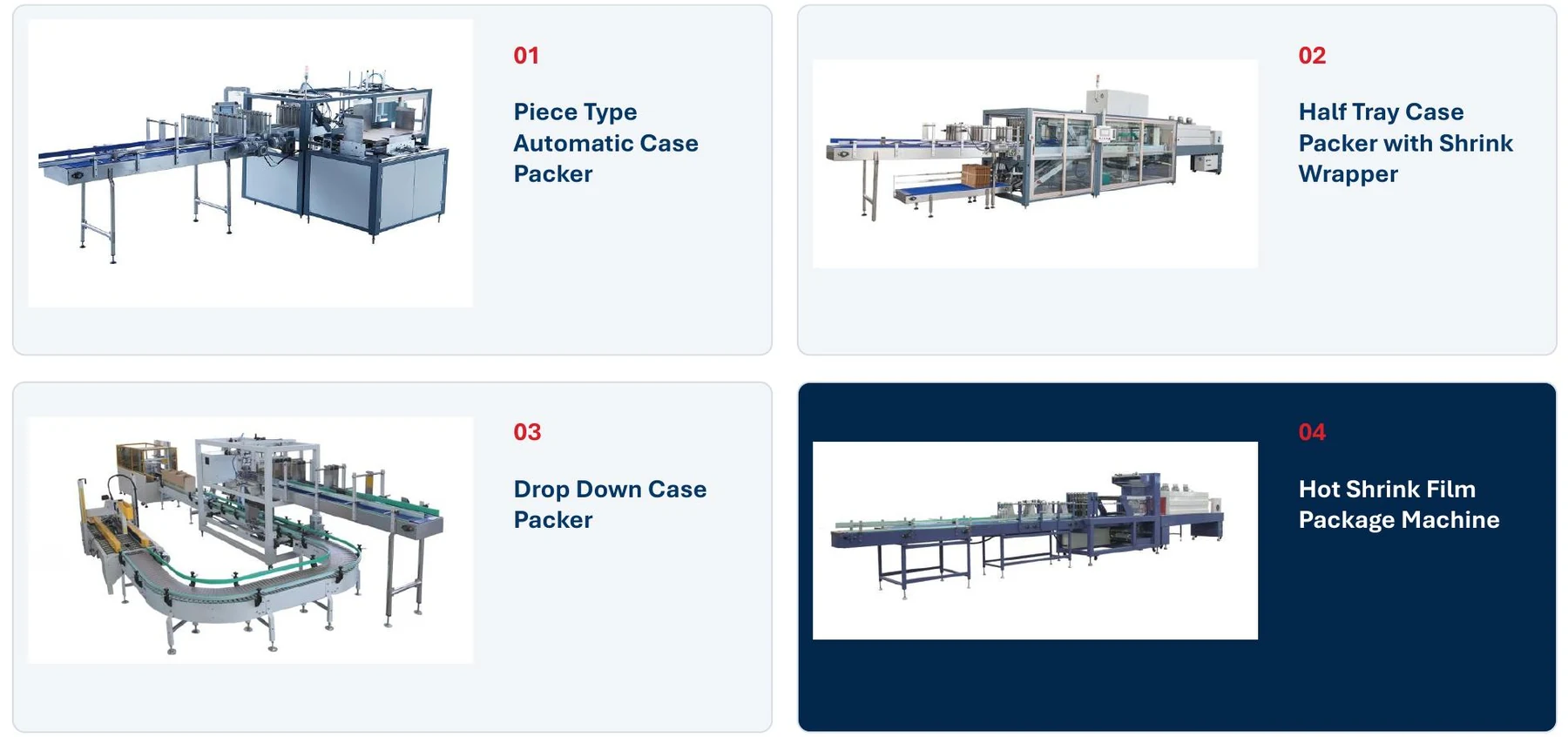
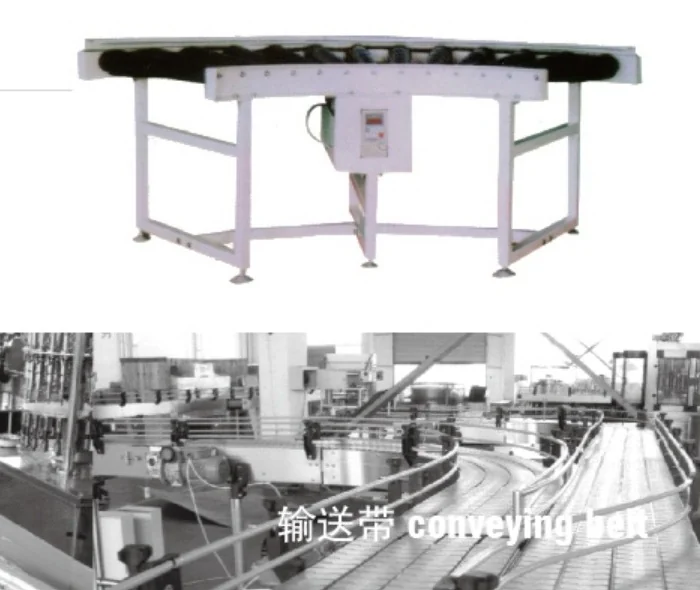
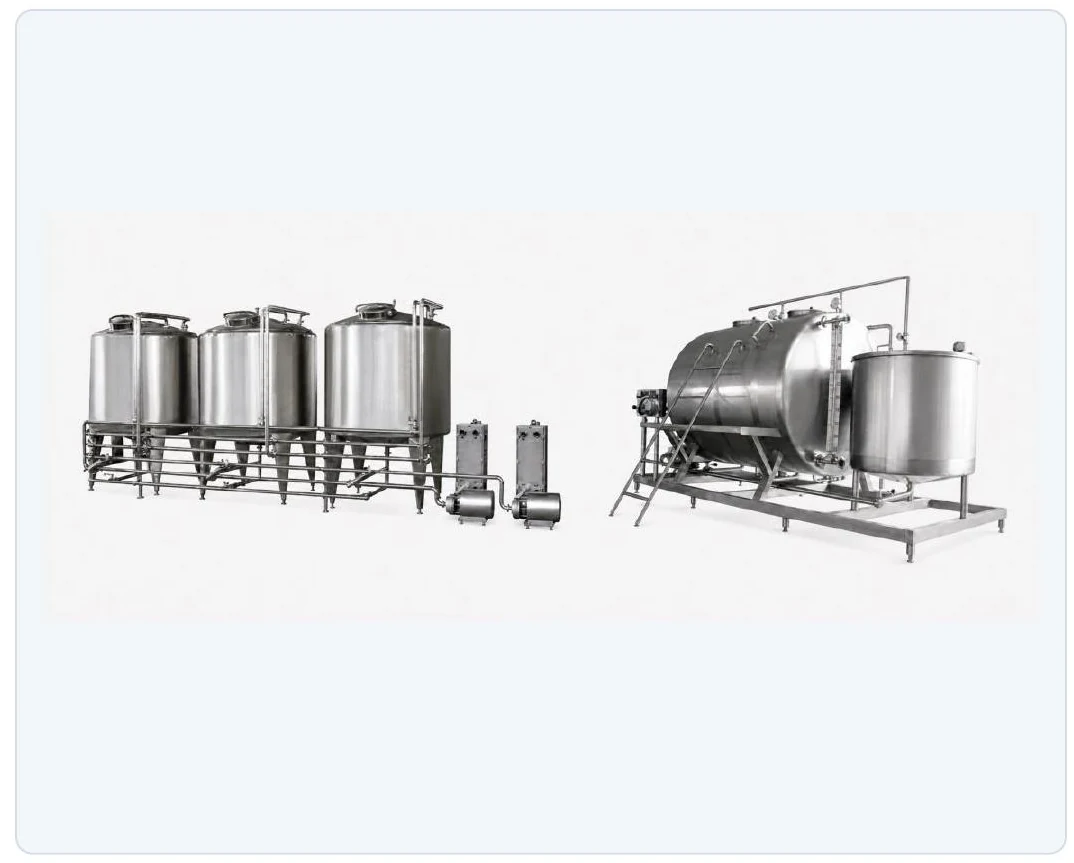
Quotation check: ask the supplier to mark each proposed item as included, optional, buyer supplied or excluded, then connect every item to the preliminary layout and utility schedule.
Questions to answer before requesting price
- Does the list cover the complete route from source water to dispatched pack?
- Which interfaces, cables, pipes, conveyors and change parts are included?
- Which items are sized for present demand and which protect expansion?
- Which documents and acceptance deliverables accompany each process block?
Buyer-decision content prepared for project clarification. Updated: .
Send Equipment Scope Request
Share what you know now. The goal is to prepare a useful plant brief before a machine quotation is built.