Buyer guide
Water Bottling Line Buying Mistakes: Seven Checks Before Order
A water bottling line offer can look complete while leaving essential production conditions or responsibilities unresolved. Check the evidence behind the price, capacity and included-equipment statements before comparing suppliers.
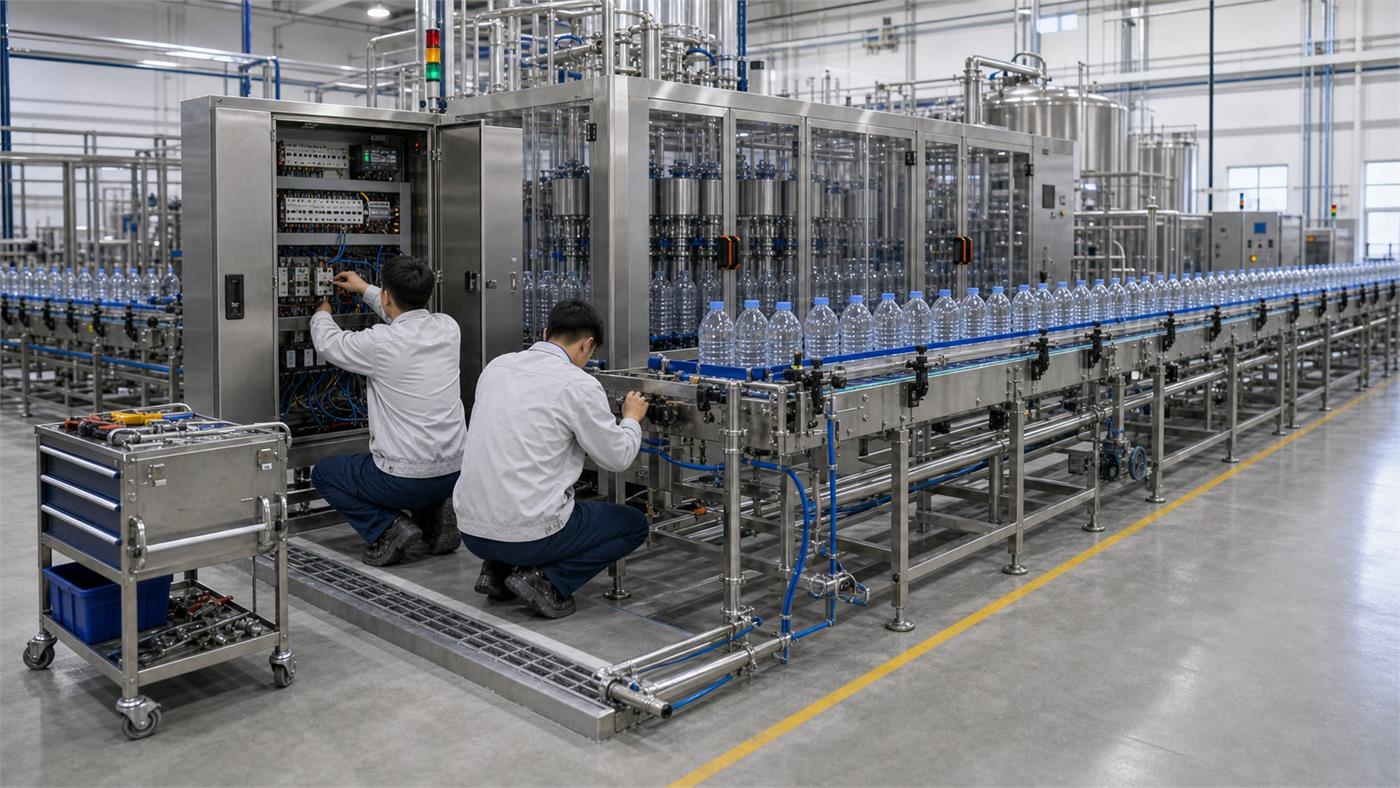
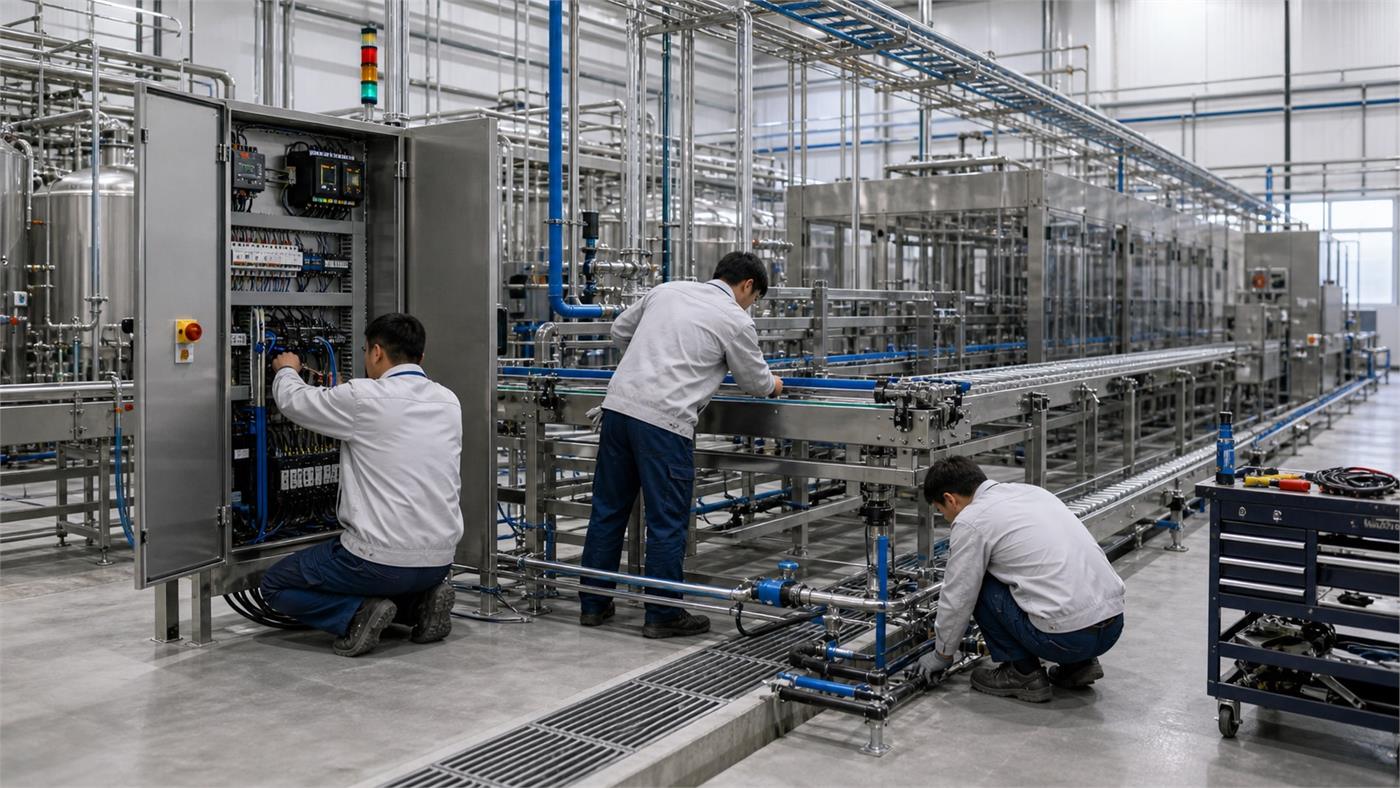
Turn Each Unclear Claim into a Checkable Decision
The examples here are hypothetical quotation gaps. Use them to ask a specific question, identify the missing record and name the person who will close it. They are not customer incidents or evidence that a named supplier has failed.
Seven Gaps to Check in a Line Proposal
Read the offer against one approved product and packaging brief. If an item is unclear, keep it open in the comparison instead of assuming that another supplier’s inclusion or a catalogue description applies.
| Potential gap | Question to ask | Evidence to keep |
|---|---|---|
| 1. Output with no test boundary | For which package and counting point is the stated rate valid? | Format-specific performance basis and trial record |
| 2. Packaging described only by volume | Which bottle, neck, cap, label and pack references are approved? | Controlled package list and sample decisions |
| 3. Incomplete production scope | Which functions, conveyors and auxiliaries are included, optional or excluded? | Itemized functional scope with separately identified options |
| 4. Unassigned utility connections | Who delivers each required service to the specified machine connection? | Utility schedule and task-level responsibility matrix |
| 5. Layout without service access | Can equipment be installed, operated and maintained in the measured building? | Reviewed drawing with access and maintenance envelopes |
| 6. Future formats assumed compatible | What parts, adjustments and tests are needed for each format? | Change-part and recipe matrix, including pending formats |
| 7. Acceptance reduced to “machine runs” | Which quality, output, interface and handover checks must be completed? | Agreed FAT/SAT protocols and an open-item closure process |
Example: The Same BPH Number Can Mean Different Output
Hypothetical comparison: one offer states a filler rating for a small bottle; another states accepted packs at the packer discharge for your launch bottle. The figures cannot be compared until the bottle, cap, label, pack and counting boundaries match.
Ask both suppliers to identify the approved format, measurement point, run duration, treatment of stops and rejects, and evidence supporting the proposed rate. Keep calculated capacity, demonstrated output and a contractual commitment in separate fields.
Then check the supporting equipment. Bottle supply, cap feed, labeling, packing and finished-goods handling must all support the same production basis. A larger filler alone does not close a downstream capacity gap.
Example: An Included Machine Can Have an Excluded Connection
A compressor may be listed while the distribution network and final machine connection remain buyer-side work. A capper may be included while the cap elevator or sorter is separately priced. These are different scope items even when buyers expect them to arrive together.
Split each interface into design, supply, installation, connection and verification. Ask who owns each task and which drawing, utility specification or test closes it. Put separately priced options beside the base offer so an equipment subtotal is not mistaken for the cost of a working production boundary.
Keep OPEN distinct from EXCLUDED. OPEN means no decision has been recorded. EXCLUDED identifies work outside a stated scope and still needs an owner if the plant requires it.
Example: A Bottle Range Is Not an Approved Format List
A quoted volume range does not identify every permitted neck, bottle shape, cap or pack. Two bottles with the same volume can require different handling parts or settings. A shared neck can still leave changes at the labeler, inspection station or packer.
Request one record per launch format with drawings or samples, proposed output, replacement parts, adjustments and recipes. Mark future formats that have not been tested as pending. Keep the physical change-part kit distinct from maintenance spares.
For a new cap or lighter bottle introduced after selection, return to the affected-machine review. A material substitution is not automatically covered by approval of the previous sample.
Use a Short Clarification Register
Give each issue an ID, offer reference, exact question, responsible party, requested record and decision status. Attach the reply or drawing revision. Close an item because the evidence answers the question, not because a meeting has taken place.
Example entry: GAP-03; cap-feed boundary; “Does the base scope include bulk loading, sorting, delivery and the approved cap tooling?”; supplier response required; attach itemized scope and package reference; status OPEN until reviewed. This is a blank-process example, not a completed project record.
After a revision, check whether its answer changes price, layout, utilities, acceptance conditions or another supplier’s work. Keep the same revised basis with every offer under comparison.
Buyer Questions
Why can a lower water bottling line price be difficult to compare?
The offers may use different equipment boundaries, packages, output definitions, delivery terms or buyer-side responsibilities. Normalize those differences before comparing the totals.
What evidence should support a quoted BPH figure?
Identify the product and package, measurement point, time window, quality criteria and stop/reject accounting. Ask whether the figure is calculated, demonstrated or a specific commitment for the proposed scope.
What is the difference between an open item and an exclusion?
An open item has no recorded decision. An exclusion is outside the stated scope. If the excluded work is still needed, assign an owner and record its effect on the complete project.
How do I verify that multiple bottle sizes are included?
Ask for the approved package references, format-specific rates, change parts, adjustments, recipes and required trials. A catalogue volume range does not establish that complete list.
Where can I record supplier clarifications?
Use the quotation-comparison workbook and add an issue ID, offer reference, responsible party, required evidence and closure status. Retain the reply or drawing revision with the decision.
Review My Plant Plan
Share what you know now. The goal is to prepare a useful plant brief before a machine quotation is built.