Plant setup guide
How to Set Up a New Water Bottling Plant
Plan a water bottling plant as a complete business and factory project, including source water, treatment, bottle supply, filling, packaging, zones, utilities and startup steps.
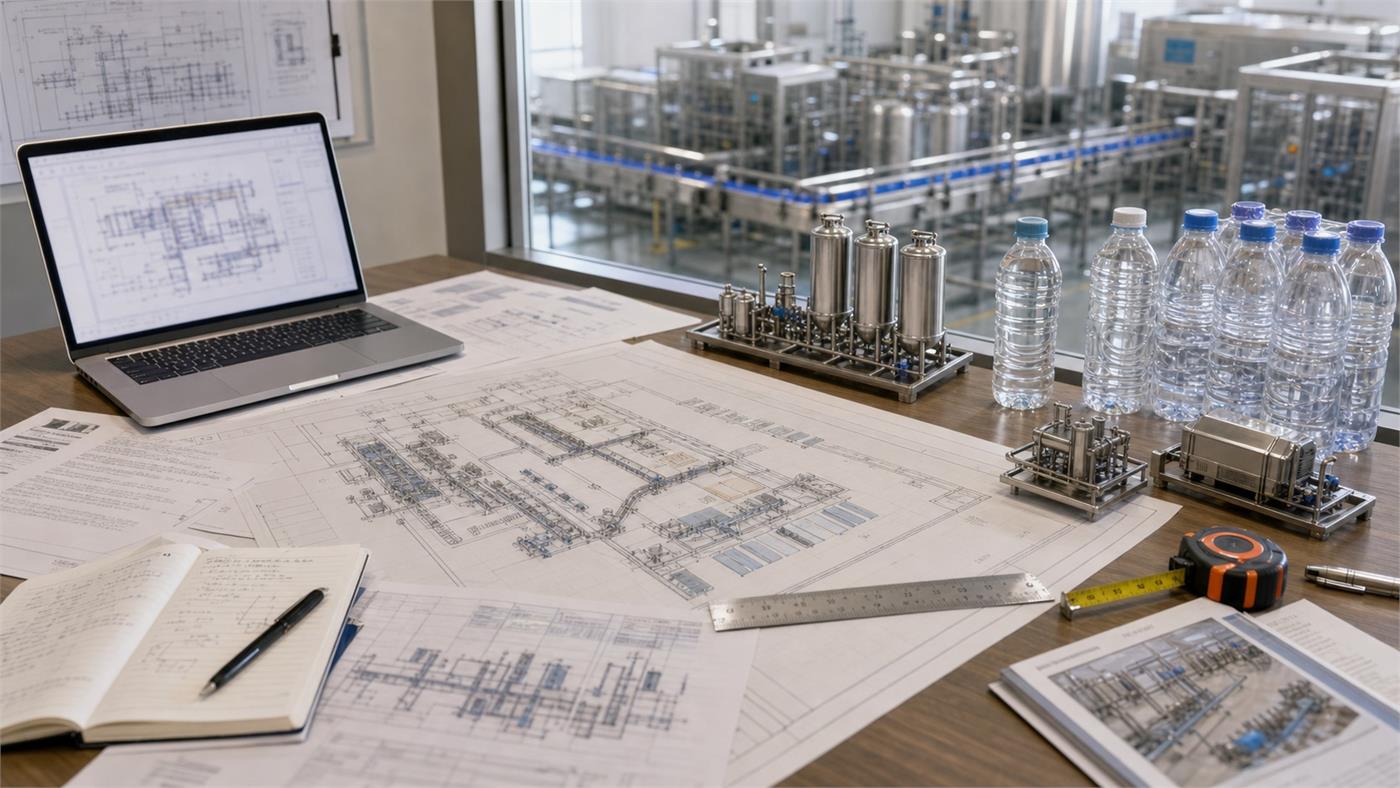
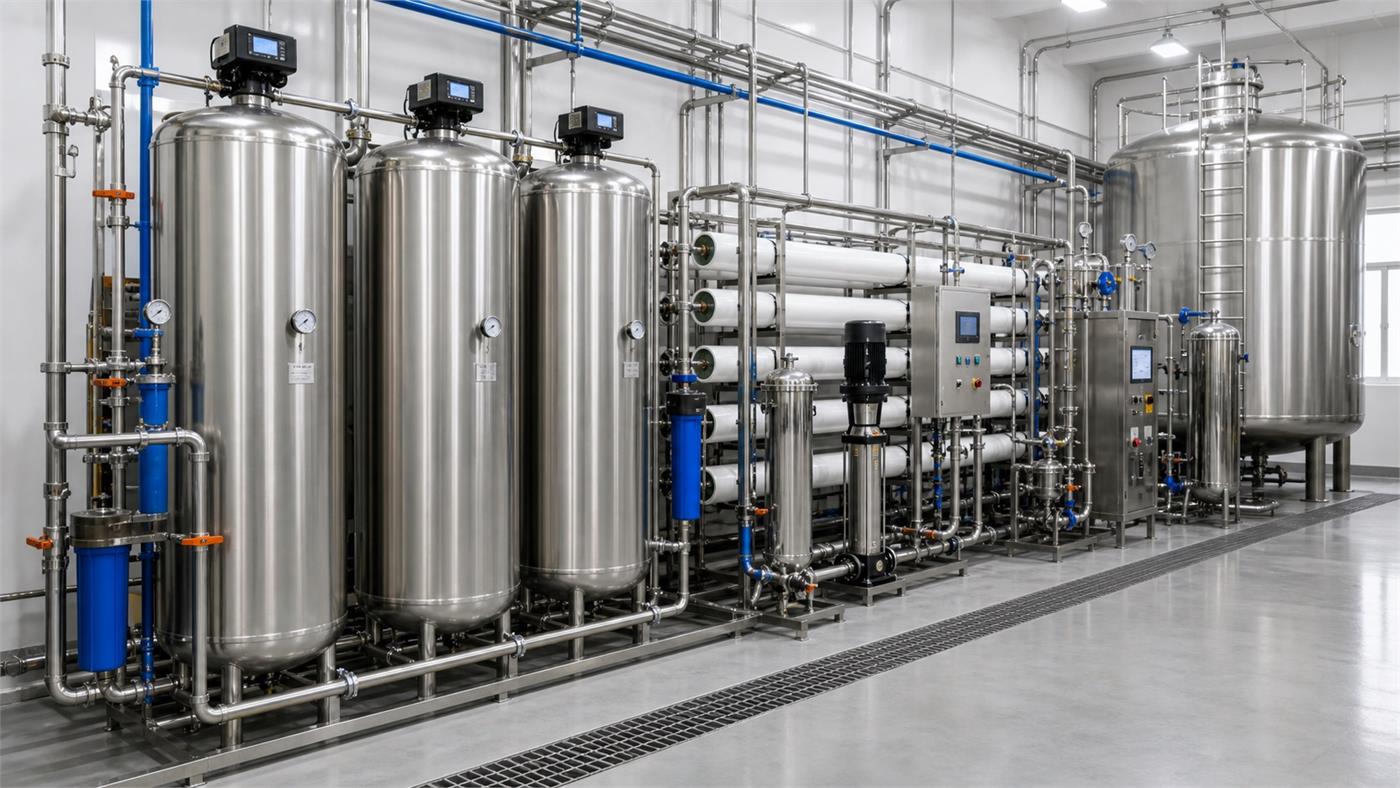
A Complete Plant Starts Before Filling
Water treatment, bottle supply, filling, labeling, packing and utilities must be planned together. The plant is only as stable as its weakest upstream or downstream system.
- Raw water and treated water storage
- Filtration, RO, UV and ozone when required
- Filling room and packaging room separation
- Utility space for air, power and drainage
What Is a Water Bottling Plant?
A water bottling plant is more than a filling machine. It is a controlled production workflow that turns source water, bottles, caps, labels and packaging materials into finished bottled water for distribution.
Business model
Define whether the plant will serve retail bottles, distributor packs, private label products or institutional water.
Main rooms and zones
Separate water treatment, clean filling, packaging, raw material storage, finished goods and utilities.
Source water and treatment
Use raw water data to decide filtration, RO where needed, UV, ozone and treated water storage.
Bottle supply decision
Compare purchased bottles with in-house blowing based on bottle control, transport cost, air demand and factory space.
Filling and packaging scope
Plan filling, capping, labeling, coding, wrapping or carton packing as one production flow.
Utility planning
Confirm power, water, compressed air, drainage and installation access before final layout.
Startup checklist
Prepare operators, spares, cleaning procedure, bottle samples, packaging materials and commissioning schedule.
Proposal information
Send capacity, bottle size, water source, packaging style, factory size and launch timing before requesting a proposal.
A Purchased-Bottle Plant: One Practical Configuration Route
Reference configuration: still drinking water in purchased PET bottles, one approved launch bottle and cap, a selected label and a shrink-film retail pack. This describes how the equipment connects; it is not a delivered project, fixed-price package or verified capacity claim.
| Stage | What the route needs | What changes the decision |
|---|---|---|
| Water preparation | A suitable treatment and hygienic storage/transfer route supplying the filler, with sampling access. | The source-water analysis and finished-water target determine the treatment. A compatible existing supply may be retained after review. |
| Bottle and cap preparation | Protected empty-bottle storage, feeding to the line and a cap-feeding arrangement. | Bottle handling and delivery frequency affect space and labor. No PET blower or blowing-air package is assumed in this example. |
| Rinsing, filling and capping | A selected filling center matched to the bottle, closure and product, with guards, controls and change parts in the agreed scope. | Additional bottle families or neck finishes may need different parts or a different platform; volume alone does not establish compatibility. |
| Dry-end and dispatch | Labeling, coding, bottle accumulation, a film packer and pack transfer to the chosen pallet-handling method. | Pack pattern and replenishment tasks affect useful output. Keep warehouse and material routes separate from the exposed-product area. |
| Site and handover | Documented utility connection points, cleaning access, drainage, installation responsibilities, startup spares and operator instructions. | The site survey and supplier schedule define buyer-side work. Installation and commissioning are included only as stated in the agreement. |
If blowing is added later, reserve more than the blower footprint: include preform access, molds, air treatment, cooling, service access and a compatible bottle-transfer route. If the packer is retained during expansion, compare its accepted packs per minute with the new bottle output before ordering the filler.
Factory Layout Input Checklist
Layout planning should happen before equipment is ordered, because the building can limit line direction, hygiene flow and future expansion.
| Area | Planning question | Risk if ignored |
|---|---|---|
| Water treatment room | Where will raw water enter and treated water be stored? | Treatment piping and tank access become difficult |
| Filling clean area | How will filling be separated from dusty packing and warehouse traffic? | Higher hygiene risk and awkward operation |
| Packaging zone | Where will labels, film, cartons and rejected packs be handled? | Packing blocks filling output |
| Warehouse | How will finished goods move to storage and loading? | Forklift routes interrupt production |
| Drainage | Where can rinsing and cleaning water discharge? | Civil work delays installation |
| Compressed air | Where will compressors, dryers and air lines sit? | Noise, heat and pressure loss problems |
| Electrical room | Where are panels, cables and safe operator access located? | Unsafe or expensive wiring routes |
| Operator access | Can operators clean, adjust and maintain the line safely? | Downtime rises after startup |
What You Receive After Sending a Planning Request
The response is built around project clarification rather than a generic machine price.
Equipment scope suggestion
A practical scope direction based on capacity, bottle size, water source and packaging route.
Capacity discussion
Notes on whether the target output fits your buyer stage, labor plan and upgrade path.
Layout and utility questions
Questions about floor area, clean filling zone, drainage, power and compressed air.
Cost factor review
A review of the budget drivers that should be confirmed before quotation comparison.
Packaging requirement clarification
Checks for label type, code position, film pack, carton pack and distribution route.
Quotation comparison notes
Pointers on missing equipment, unclear terms and supplier responsibility gaps.
Project Video and Case Reference Review
Project videos and case references can be shared during consultation when relevant to your capacity and bottle format.
FAT video topics
Running checks, filling stability, label position, packing flow and basic operation points can be discussed when a comparable line is relevant.
Installation video topics
Layout, utilities, drainage, air lines, operator access and commissioning sequence can be reviewed during project planning.
Running line video topics
Capacity, bottle format, packaging style and factory flow should match your own project before a reference is useful.
FAQ
How do I set up a new water bottling plant?
Validate demand, define the water product and packaging formats, test the source water, confirm local requirements, choose capacity, plan the factory and utilities, compare complete equipment scopes, then prepare installation, commissioning and operating readiness.
What equipment is included in a complete water bottling line?
A complete scope may include water treatment, bottle blowing or bottle feeding, rinsing filling capping, cap feeding, labeling, coding, packing, conveyors, utilities and spare parts.
What is a 3-in-1 water filling machine?
A 3-in-1 monoblock combines bottle rinsing, water filling and cap application in one connected machine. It does not automatically include water treatment, bottle blowing, labeling, coding, packing or long conveyors.
Do I need reverse osmosis for bottled water?
It depends on raw water quality and local product requirements. A water test should guide filtration, RO, UV, ozone and storage decisions.
What layout information should I prepare?
Prepare room dimensions, ceiling height, doors, columns, drainage, power location, water source entry, warehouse route and loading access.
How much factory space does a water bottling plant need?
There is no reliable universal area. Space depends on capacity, bottle supply, treatment, clean-room separation, packing, raw-material storage, finished-goods inventory, utilities, maintenance access and future expansion. Send a floor plan for project-specific layout review.
How long does water bottling line installation take?
It depends on line scope, factory readiness, local labor, utility completion, shipment condition, product samples and acceptance requirements. Ask for a project schedule with assumptions instead of relying on a universal duration.
What rooms should a bottled water plant include?
Most projects need water treatment, clean filling, packaging, raw material storage, finished goods storage, quality-control and utility areas.
What Must Be Decided Before a Water Bottling Plant Is Quoted?
A useful plant quotation starts with an approved project basis rather than a list of machines. Resolve the decisions below far enough for suppliers to price the same boundary, while leaving unverified local, water-quality and market assumptions visibly open.
Equipment references for this planning stage
These authentic brochure images help buyers identify the machine categories that may sit inside a complete water bottling line. They are not customer-case evidence and do not fix the final model, output, process, utility load or supplier boundary.
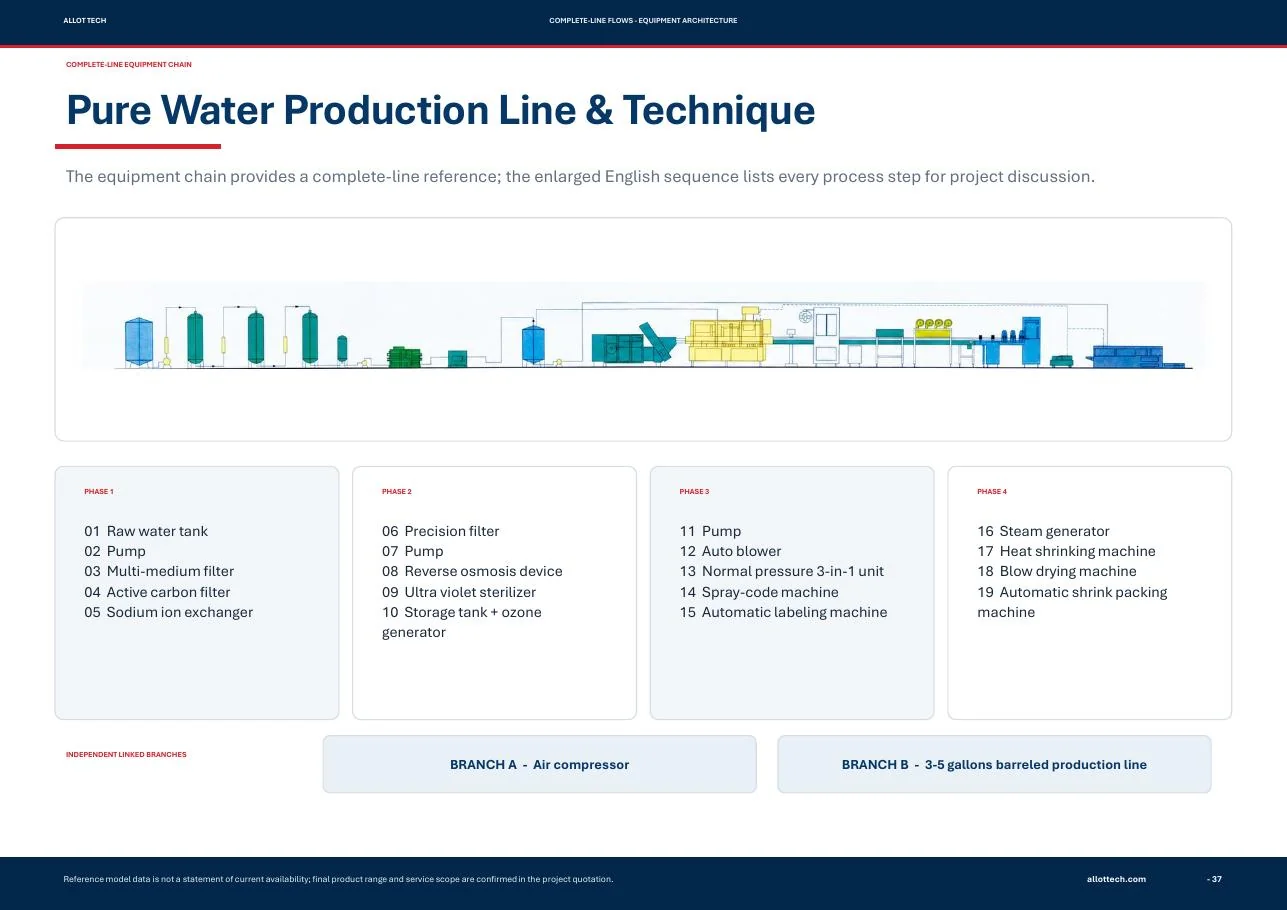
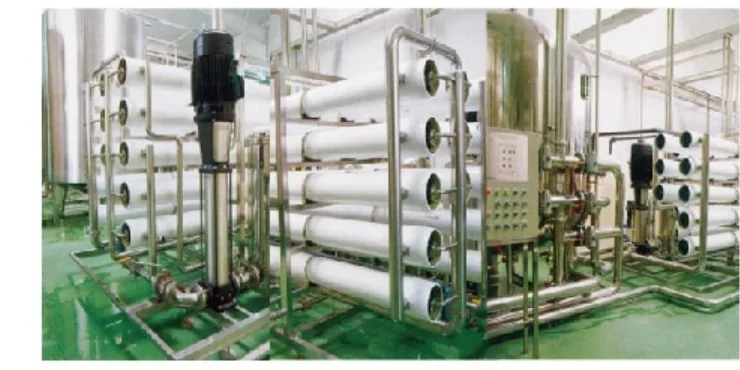
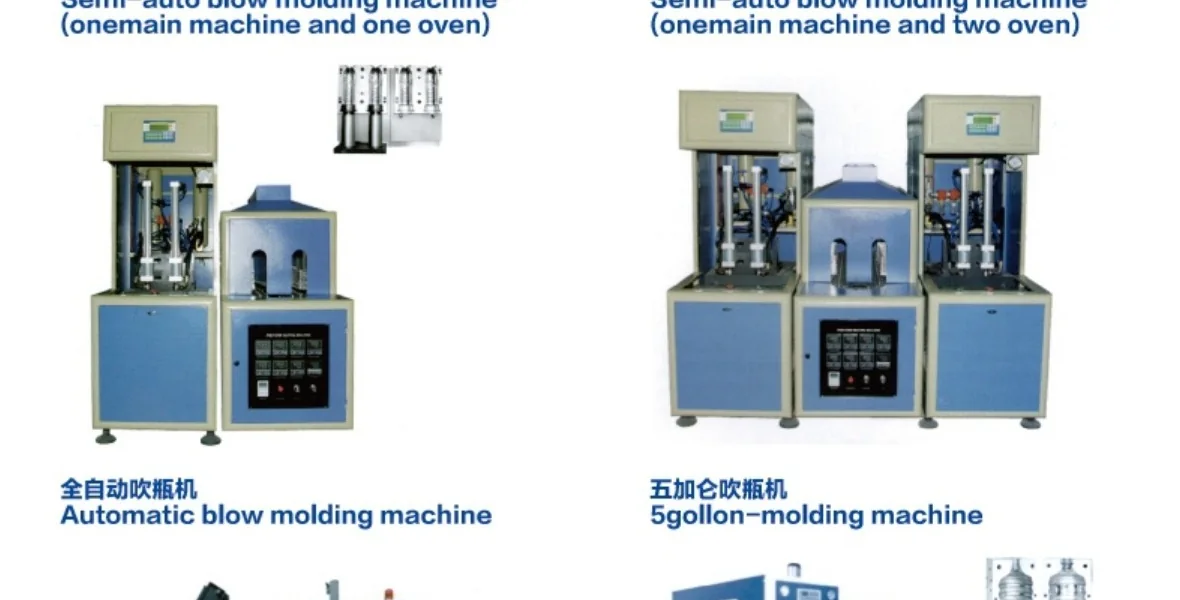
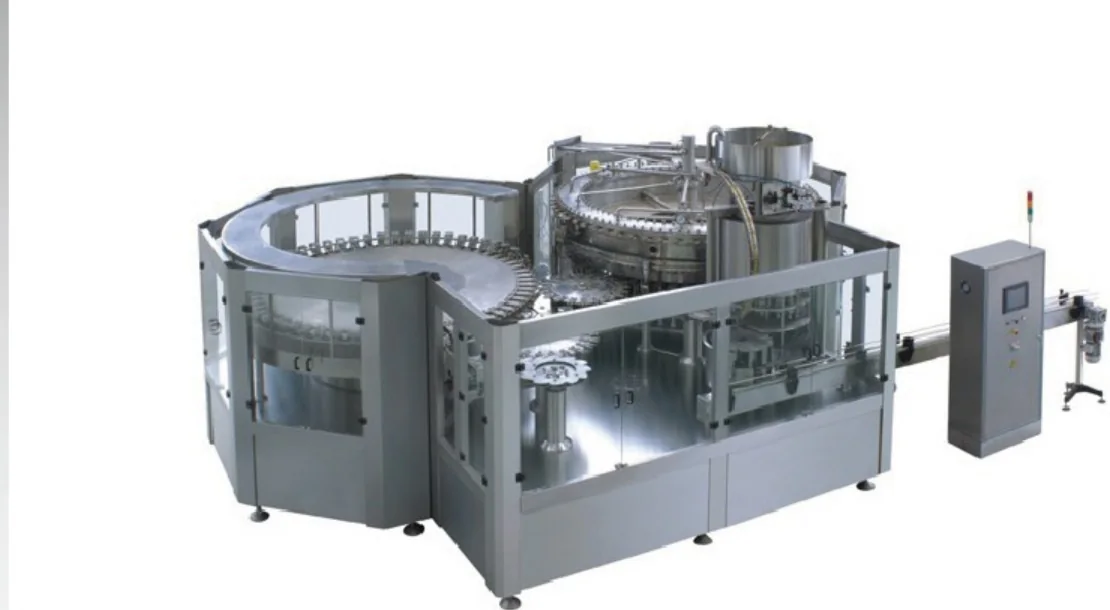
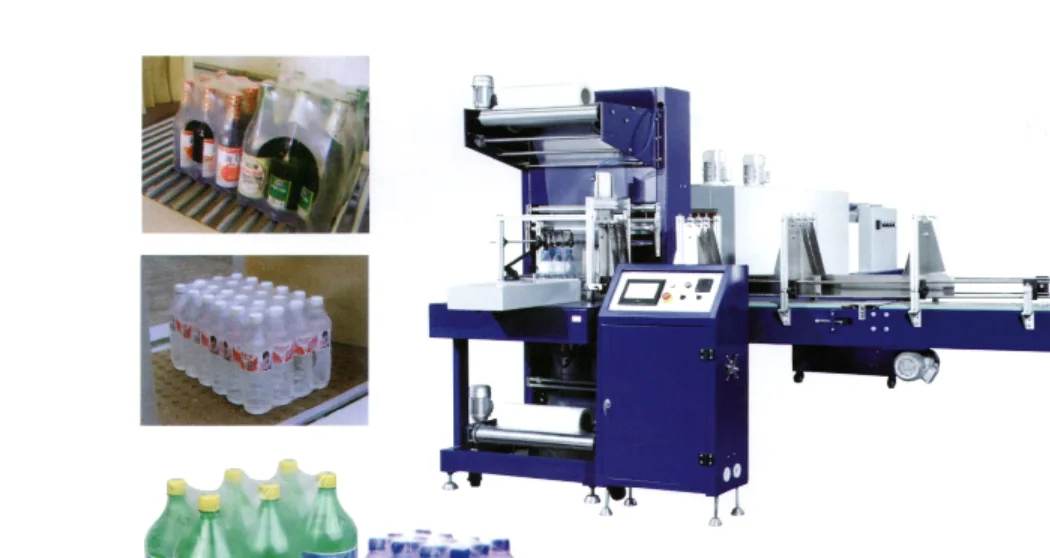
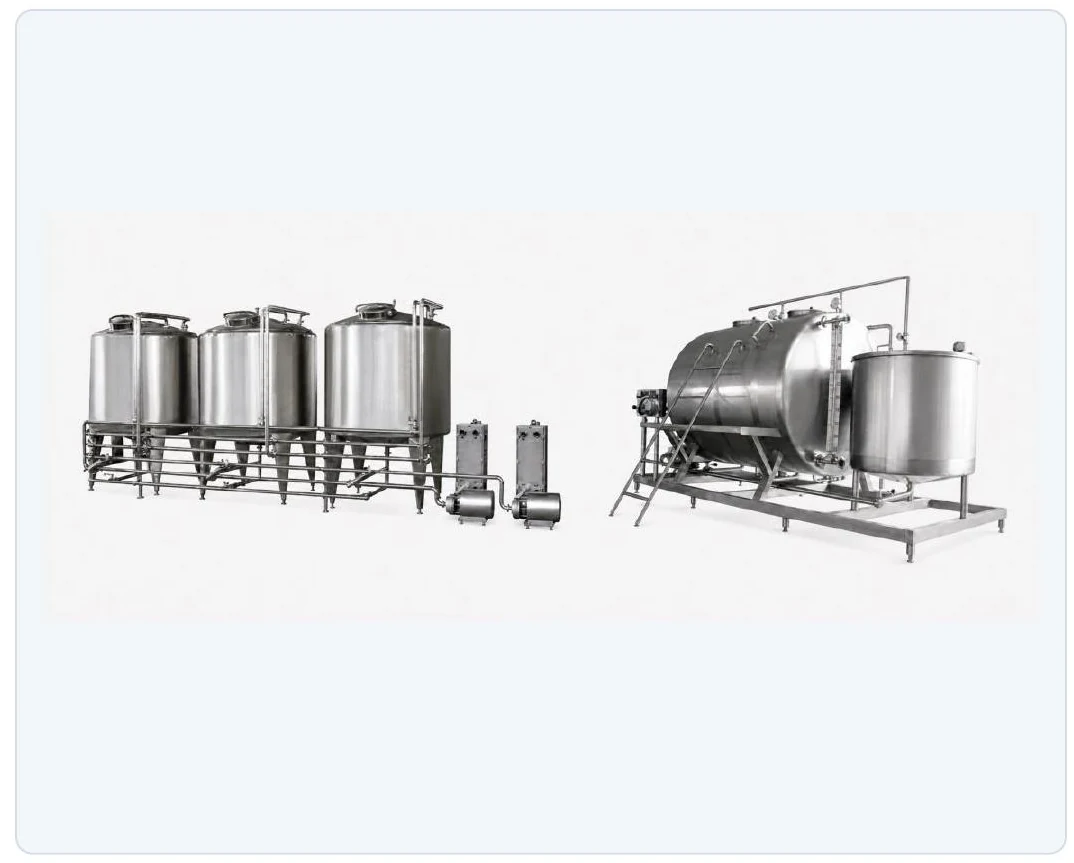
Quotation check: ask the supplier to mark each proposed item as included, optional, buyer supplied or excluded, then connect every item to the preliminary layout and utility schedule.
Questions to answer before requesting price
- Which project facts are verified and which are still assumptions?
- What complete route is required from source water to dispatched pack?
- Which work belongs to the supplier, buyer or local contractor?
- What evidence will be required before equipment acceptance?
Buyer-decision content prepared for project clarification. Updated: .
Build My Plant Plan
Share what you know now. The goal is to prepare a useful plant brief before a machine quotation is built.