Cost model
Water Bottling Plant Cost: Build a Complete Budget Scope
Understand what affects water bottling plant cost before requesting a quotation. The right budget depends on capacity, water source, bottle format, automation, factory layout and packaging requirements.
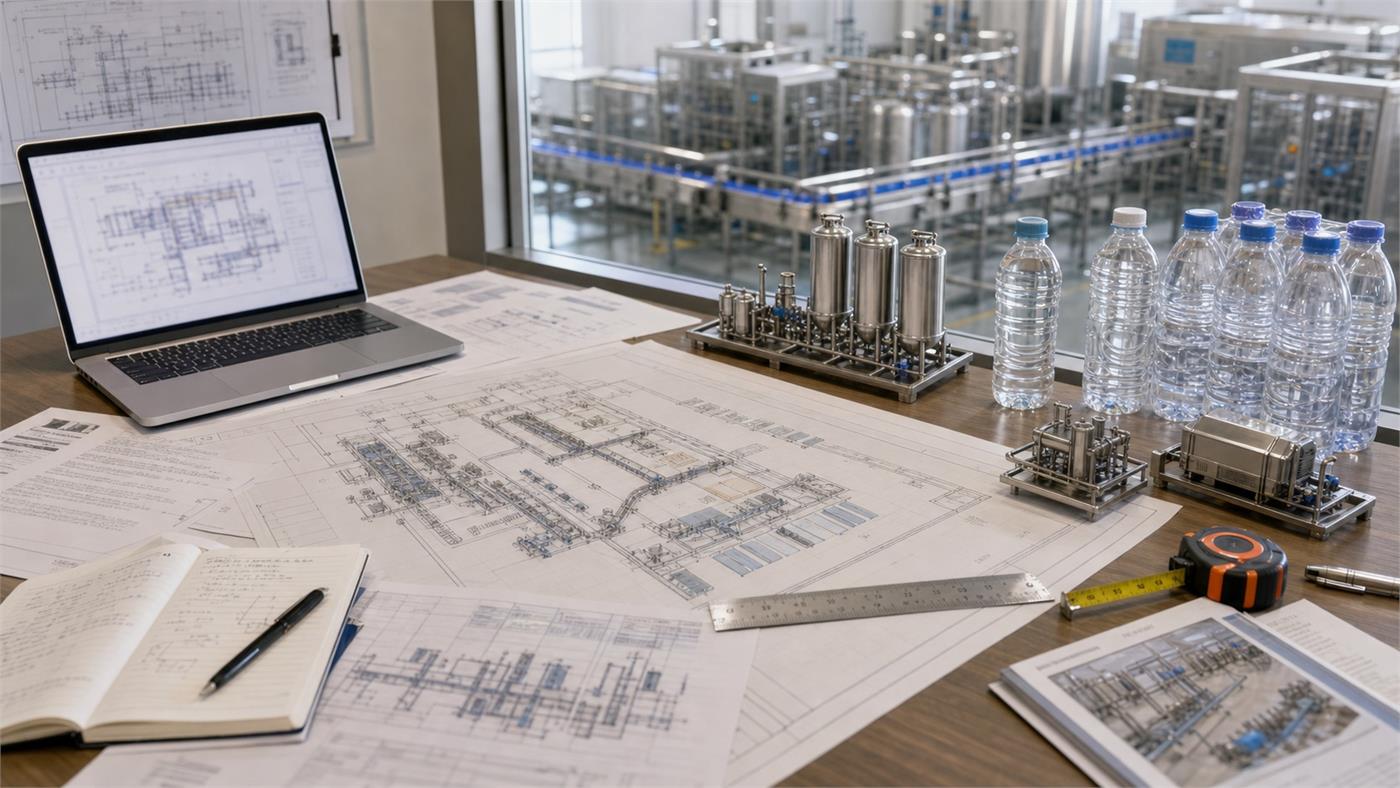
Resolve the Configuration Before Comparing Plant Budgets
A line quotation is one part of the plant budget. Choose the bottle-supply route, define the accepted production basis and compare the scope before adding building, local setup and working-capital requirements.
What Does a Water Bottling Plant Cost Include?
A complete plant budget is wider than the machine quotation. Separate these cost layers before comparing supplier numbers or deciding whether a proposal is complete.
| Cost layer | What belongs here | Evidence to collect | Common comparison error |
|---|---|---|---|
| Process and filling equipment | Water treatment, treated-water storage, bottle supply, rinsing, filling, capping and sanitary transfer. | Itemized equipment list and process basis. | Comparing a filler-only offer with a complete plant scope. |
| Labeling and end-of-line | Labeling, coding, packing, conveyors, accumulation and optional pallet handling. | Approved bottle, label and finished-pack details. | Assuming every quotation includes the same packing route. |
| Utility equipment | Low-pressure air, PET blowing air when required, cooling, electrical interfaces, water supply and drainage assumptions. | Supplier utility schedule tied to the selected equipment. | Using a generic compressor, chiller or power estimate. |
| Installation and startup | Freight boundary, unloading, positioning, local labor, piping, wiring, commissioning, training and startup spares. | Written supplier-versus-buyer responsibility matrix. | Leaving local installation work outside the budget. |
| Owner-side project costs | Building, rooms, floors, drains, incoming power, permits, laboratory work, warehousing and local professional services. | Local contractor, authority and service-provider quotations. | Treating the machine price as the total project investment. |
| Operating and working capital | Preforms or bottles, caps, labels, film or cartons, treatment consumables, labor, utilities, maintenance and inventory. | Local material and operating assumptions based on the launch plan. | Ignoring the cash required before sales receipts arrive. |
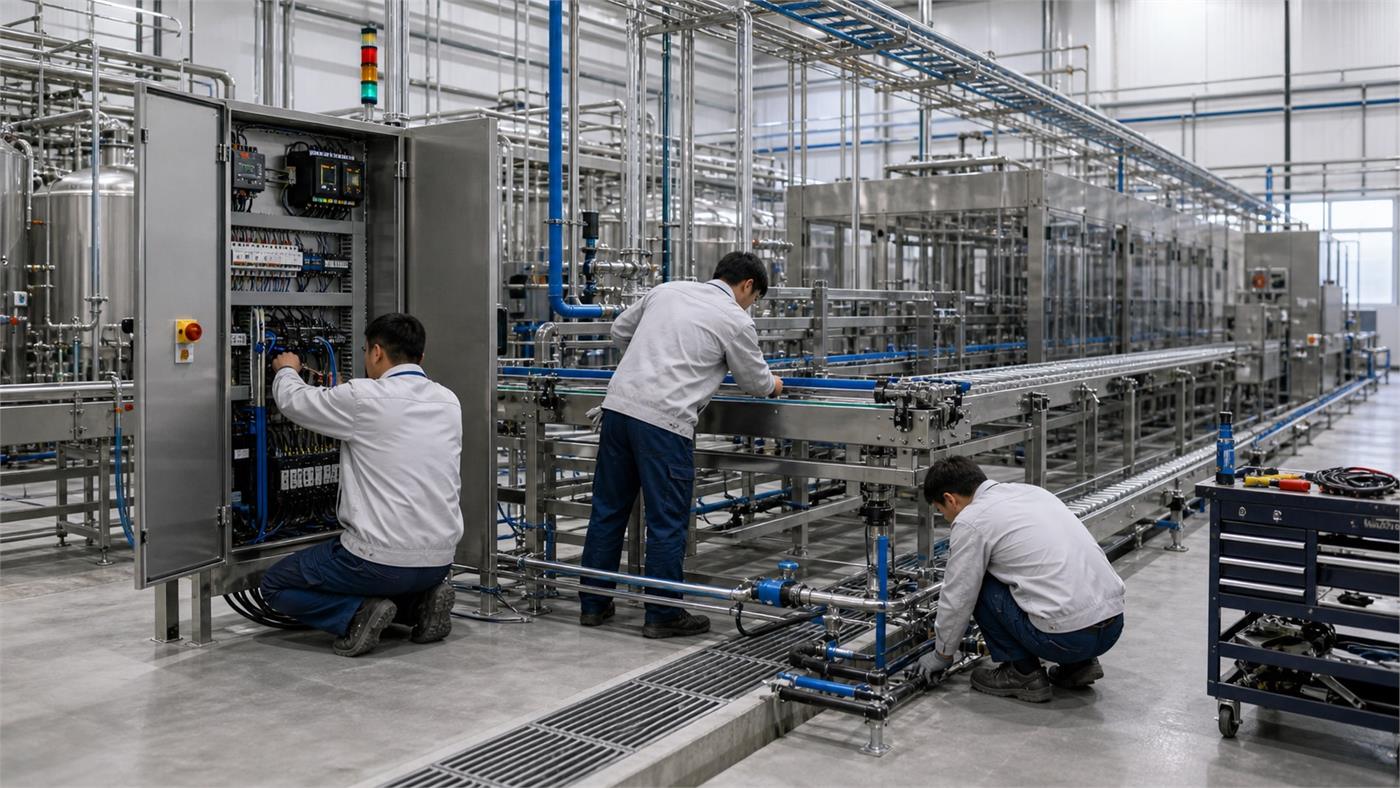
Cost Depends on the Whole Factory, Not One Machine
A useful cost model starts with the layout, treatment route, bottle supply, packaging method, utilities and installation responsibility. The same filler speed can produce very different project budgets.
- Capacity and automation level
- Water treatment complexity
- Bottle blowing or purchased bottles
- Factory utilities and installation scope
How to Compare Two Water Bottling Line Quotations
Use the same bottle, cap, label, pack and accepted-output requirement for both offers. Then compare the cost to reach the same working production boundary. The lower equipment subtotal can represent a smaller scope rather than a cheaper equivalent line.
| Comparison step | What to do | Result to keep |
|---|---|---|
| Fix the production basis | State launch formats, output definition, shift plan and test materials. Check whether each quoted speed uses those conditions. | One shared production brief, with differences listed rather than hidden. |
| Normalize equipment scope | Match treatment, bottle supply, filler, labeler, packer, conveyors and auxiliaries by function. Identify options and buyer-supplied assets. | Comparable equipment and auxiliary totals, with missing items separately priced. |
| Normalize the delivery boundary | Record each offer’s agreed delivery point, freight scope, unloading, positioning and local connections. Obtain missing costs from the responsible provider. | A separate logistics and site-work allowance based on actual quotations, not a universal percentage. |
| Match startup support | Compare test materials, FAT, site attendance, commissioning, training, travel, manuals and initial spares as named items. | A service and deliverables matrix stating inclusions and exclusions. |
| Compare running assumptions | Use the same local labor, material, utility and production assumptions for both routes, including bottle purchase versus in-house blowing. | A separate operating-cost comparison; do not add recurring yearly costs to a one-time machine price without stating the period. |
A useful comparison formula is: equipment and selected options + missing auxiliaries + quoted logistics + site connections + agreed startup services. Keep building costs and working capital visible in the wider plant budget. Count each item once: a compressor already included in the equipment offer must not be added again as an omitted auxiliary.
If an item is unpriced, leave it unresolved and identify its owner instead of treating it as zero. Compare proposals in one currency at a stated conversion date and retain the original amounts. Commercial terms and destination charges require project-specific confirmation.
What Affects Water Bottling Plant Cost?
No serious supplier can price a complete plant from one machine name. The cost model starts with capacity, water source, bottle format, automation and factory conditions.
Capacity and automation
Output target changes filler size, conveyor design, packing speed, operator count and power load.
Water treatment complexity
Raw water quality affects filtration, RO stages, UV, ozone, storage tanks and testing needs.
Bottle blowing vs purchased bottles
In-house bottle blowing adds equipment and space, but can reduce bottle logistics and improve control.
Filling and packaging scope
Labeling, coding, shrink wrapping, tray packing, carton packing and palletizing all change scope.
Factory layout and installation
Plant rooms, drainage, wiring, air lines and installation schedule can affect the real project cost.
Spare parts, training and after-sales
Budget for commissioning, operator training, critical spares and future maintenance.
Build a Water Bottling Plant Cost Scope
This planner does not invent a machine price. It identifies the modules, buyer-side costs and unanswered engineering inputs that must be defined before a reliable quotation can be prepared.
Your planning output
Select the known project inputs, then build a scope. The result will list the systems and unknown variables to carry into a supplier discussion.
Important: The output is a planning boundary, not a quotation. Final equipment selection and cost depend on confirmed water analysis, bottle and cap samples, local regulations, factory drawings, utilities, Incoterms and supplier responsibility.
Buyer-Side Costs vs Supplier-Side Costs
A complete cost discussion should separate machine scope from local project responsibilities before a number is treated as realistic.
| Cost area | Usually supplier-side | Usually buyer-side | Questions to confirm |
|---|---|---|---|
| Raw water test | Treatment process suggestion based on data | Water sample testing and local lab report | Do you have test results before RO, UV, ozone and storage are selected? |
| Civil work | Layout direction and equipment foundation notes | Floor leveling, drains, walls, ventilation and local building work | What must be finished before equipment arrival? |
| Power and drainage | Machine utility list and connection points | Power upgrade, cable routes, drains and wastewater handling | Can the building support the required load and discharge? |
| Air compressor | Pressure and air volume requirements | Compressor room, pipes, dryers or local compressor purchase if excluded | Is high pressure air for bottle blowing included or buyer-side? |
| Molds and samples | Mold quotation and handling part requirements | Bottle, cap, label and packing material samples | Are bottle and label samples confirmed before final quotation? |
| Installation labor | Engineer guidance if included | Local helpers, lifting tools, wiring, piping and travel-related support | Who pays for local labor and installation preparation? |
| Spare parts and training | Startup spare parts list and operator training scope | Extra consumables and long-term spare inventory | Which wear parts are included for the first production period? |
Keep a Budget Assumption and Quote Register
A useful plant budget records where each amount comes from and which production boundary it covers. Keep priced items, options, existing assets, local work and unresolved costs separate so a missing amount is visible.
If a supplier has not priced a required connection, mark it OPEN. Do not use zero to make a comparison table add up. A total containing open items remains provisional; an allowance should show its owner and reasoning so it can be replaced by a current quotation.
| Budget item or assumption | How to record it | What keeps the comparison honest |
|---|---|---|
| Priced equipment | Supplier, quote reference, revision, currency and included function | Use the same approved bottle, cap, label, pack and output boundary |
| Options not selected | Separate price and the decision still required | Do not add an option to one total while omitting the same function from another |
| Buyer-supplied assets | Asset reference, review owner and required connection work | Existing equipment is not automatically compatible or cost-free to connect |
| Local installation and utilities | Named work package, responsible party and current local estimate | Separate machinery from distribution piping, wiring, civil work and startup support |
| Unknown or unpriced work | OPEN, next action and person responsible | A blank amount is not zero; keep the comparable total provisional |
| Budget allowance | Reason, amount, date and owner of the assumption | Show the allowance separately and replace it when an actual quote is available |
Download Practical Planning Files
These editable worksheets and checklists help buyers prepare project facts before asking suppliers for complete proposals. They contain no fixed price or fabricated engineering data.
Cost Planning Sheet
Compare capacity, treatment, bottle supply, filling, packing, installation and buyer-side costs.
Supplier Requirement Brief
Prepare the project facts a complete line supplier needs before quotation.
Layout Input Workbook
Record room sizes, access, utilities, drains, warehouse movement and expansion space.
Supplier Quotation Comparison
Compare treatment, blowing, conveyors, packing, spares, installation and exclusions.
Plant Planning Checklist
Collect bottle, capacity, water, packaging, utilities, layout and project-stage inputs.
FAT Inspection Checklist
Record contract scope, safety checks, wet-run observations, documents and open items before shipment.
Buyer Questions
Why is there no single fixed water bottling plant cost?
Cost depends on capacity, water source, bottle format, automation level, factory layout, packaging route, installation support and spare parts scope.
Which project choices can change the plant budget?
Water treatment requirements, bottle supply, format-specific output, labeling and packing, utilities, local installation work and startup support can all change the budget. Compare their actual quoted scope rather than assuming one item is always the largest cost driver.
Is factory construction included in a water bottling line quotation?
Usually not unless it is written into the offer. Civil work, floors, drains, rooms, incoming power, local piping, permits, unloading and local labor should be separated from machine supply.
Does bottle blowing increase plant cost?
In-house PET blowing adds the blowing machine, molds, preform handling, high-pressure air, air drying, cooling, floor space and maintenance. Purchased bottles can reduce equipment scope but may increase logistics and storage pressure.
What operating costs should I plan after equipment purchase?
Plan packaging materials, preforms or bottles, caps, labels, film or cartons, labor, power, water treatment consumables, maintenance parts, testing, warehousing and distribution. Use local quotations rather than generic online assumptions.
How much does a complete water bottling plant cost?
There is no responsible universal price. A useful budget must first define the water source, bottle and pack, balanced line capacity, treatment, bottle supply, filling, packing, utilities, installation boundary and local project costs.
What hidden costs should I check?
Check installation, local utilities, air compressor assumptions, spare parts, training, molds, labels, film, cartons, testing, warehousing and civil work.
How should an unpriced item appear in a plant budget?
Mark required but unpriced work OPEN, with an owner and next action. Keep a stated allowance separate from an actual quotation, and treat a total with unresolved items as provisional.
Build a complete plant cost model instead of pricing only machines
The useful question is not “what is the line price?” but “what must be funded to reach stable commercial production?” Separate equipment, site, startup and operating assumptions before comparing budgets.
Allot Tech Project Desk · Mr KcalBuyer-education content prepared for project clarification. Final equipment scope, engineering values, prices and guarantees must be confirmed in a supplier's written proposal.Updated:
What Must a Water Bottling Plant Cost Model Include?
A useful cost model separates machine price from the complete project boundary. Capacity alone cannot explain the investment because water treatment, bottle supply, pack format, automation, building work, utilities, logistics and acceptance responsibilities may change independently.
Equipment references for this planning stage
These authentic brochure images help buyers identify the machine categories that may sit inside a complete water bottling line. They are not customer-case evidence and do not fix the final model, output, process, utility load or supplier boundary.
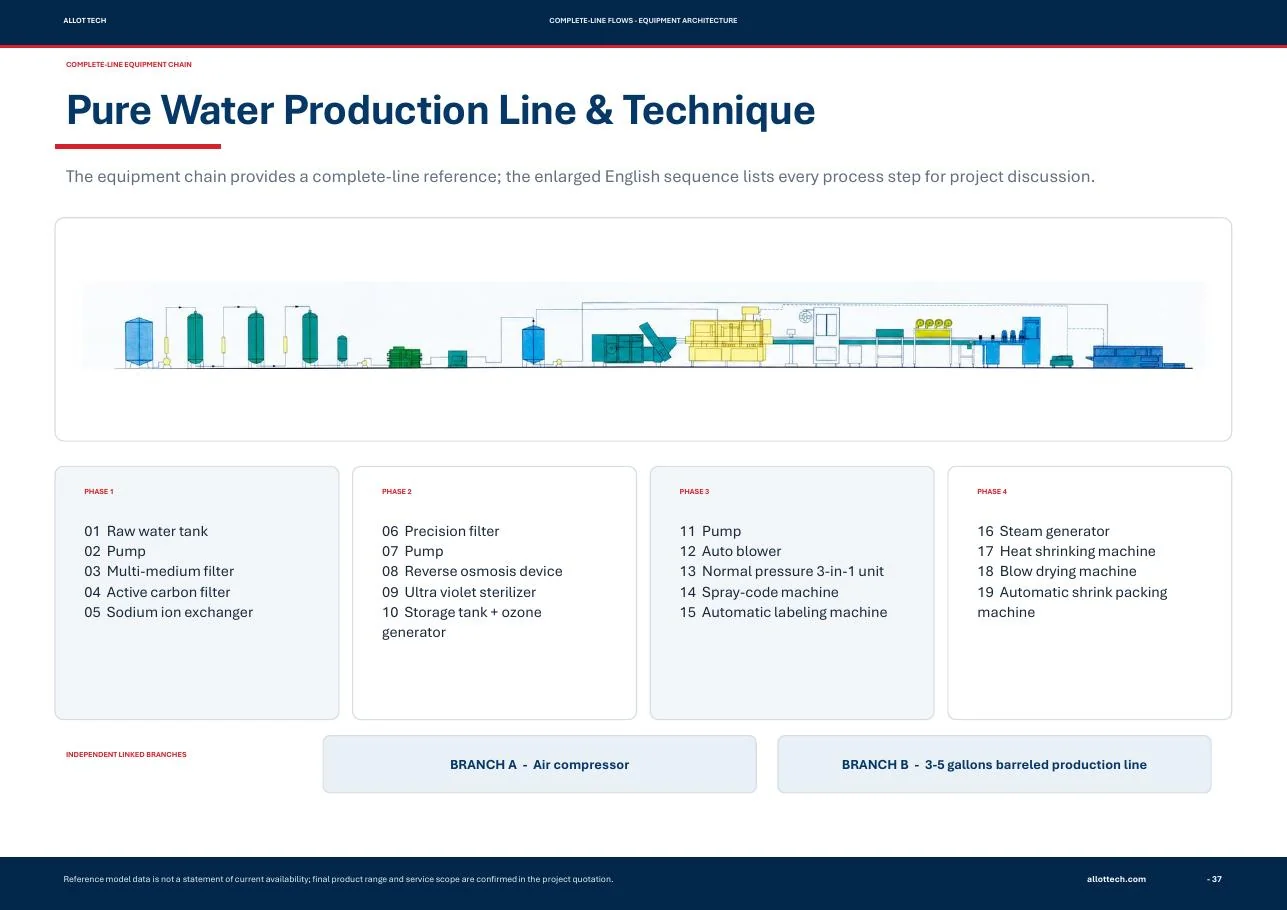
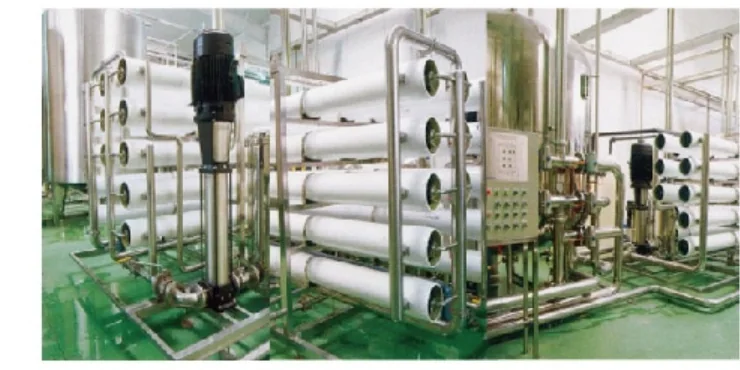
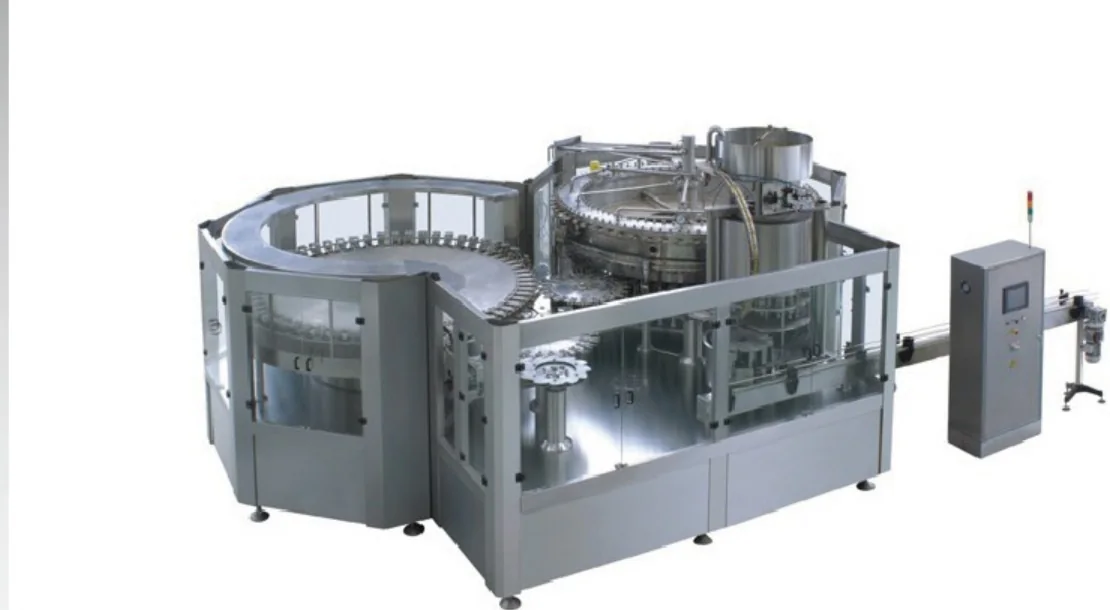
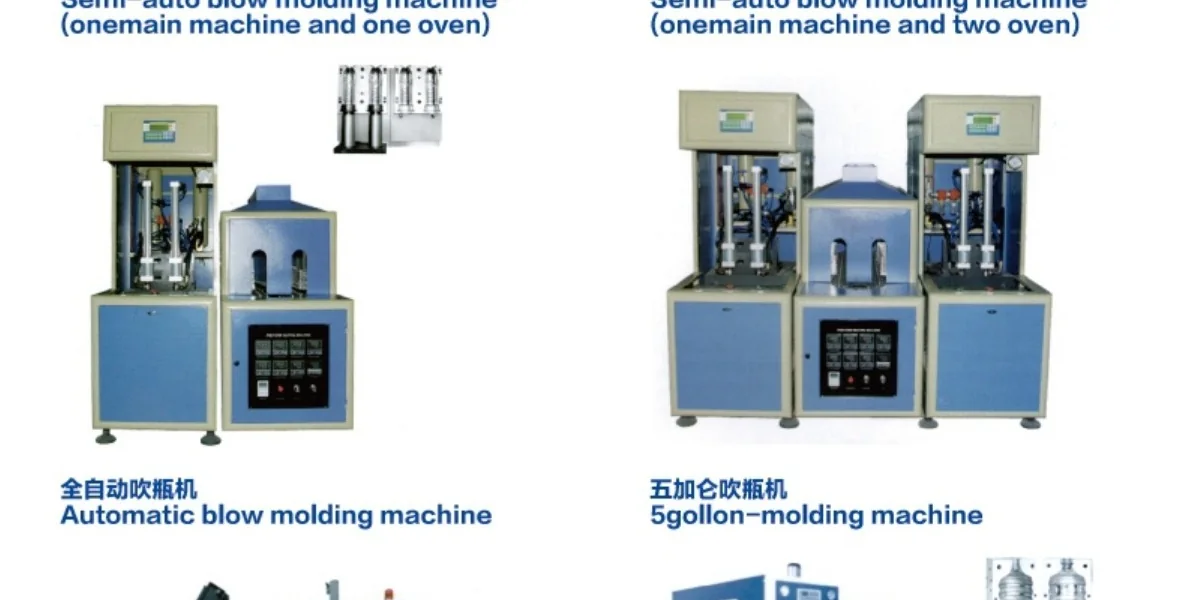
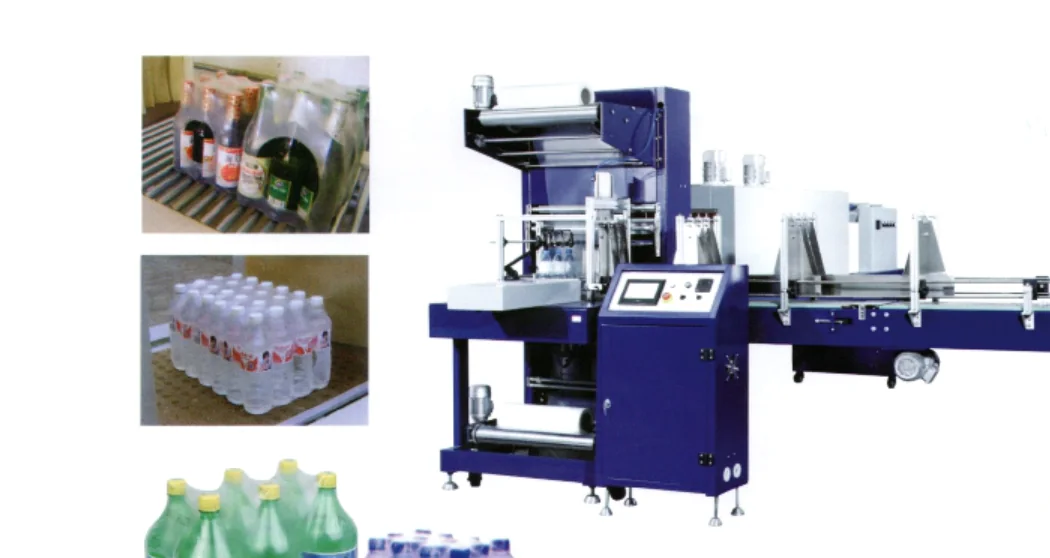
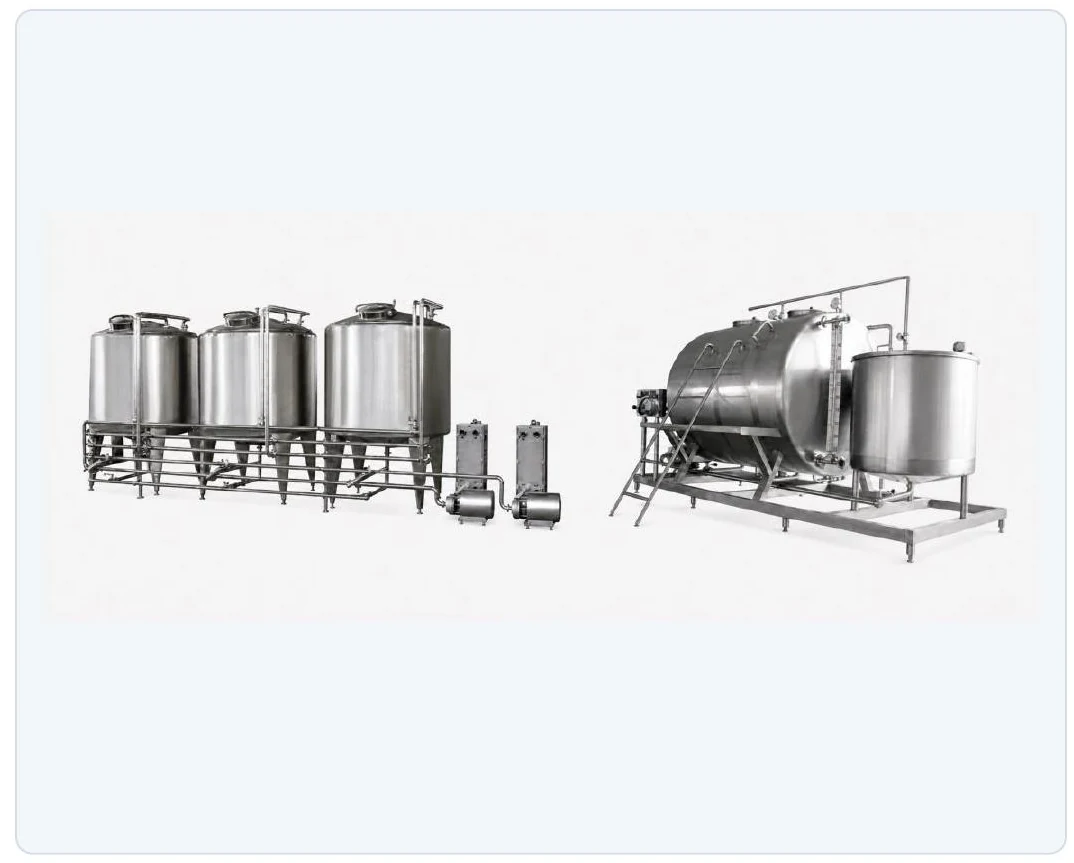
Quotation check: ask the supplier to mark each proposed item as included, optional, buyer supplied or excluded, then connect every item to the preliminary layout and utility schedule.
Questions to answer before requesting price
- Which equipment and local work are included, optional, buyer supplied or excluded?
- Which bottle and finished pack define the quoted output?
- What cash is required before the first saleable production run?
- Which assumptions could change after water testing or site verification?
Buyer-decision content prepared for project clarification. Updated: .
Discuss Your Water Bottling Project
Start with your name, country, email and project question. Company, phone and technical details are optional for this first enquiry.