Filling monoblock scope
3-in-1 Water Filling Machine for PET Bottled Water
Understand what a rinsing, filling and capping monoblock includes, what remains outside the machine and which bottle, cap, product and acceptance inputs a supplier needs before quotation.
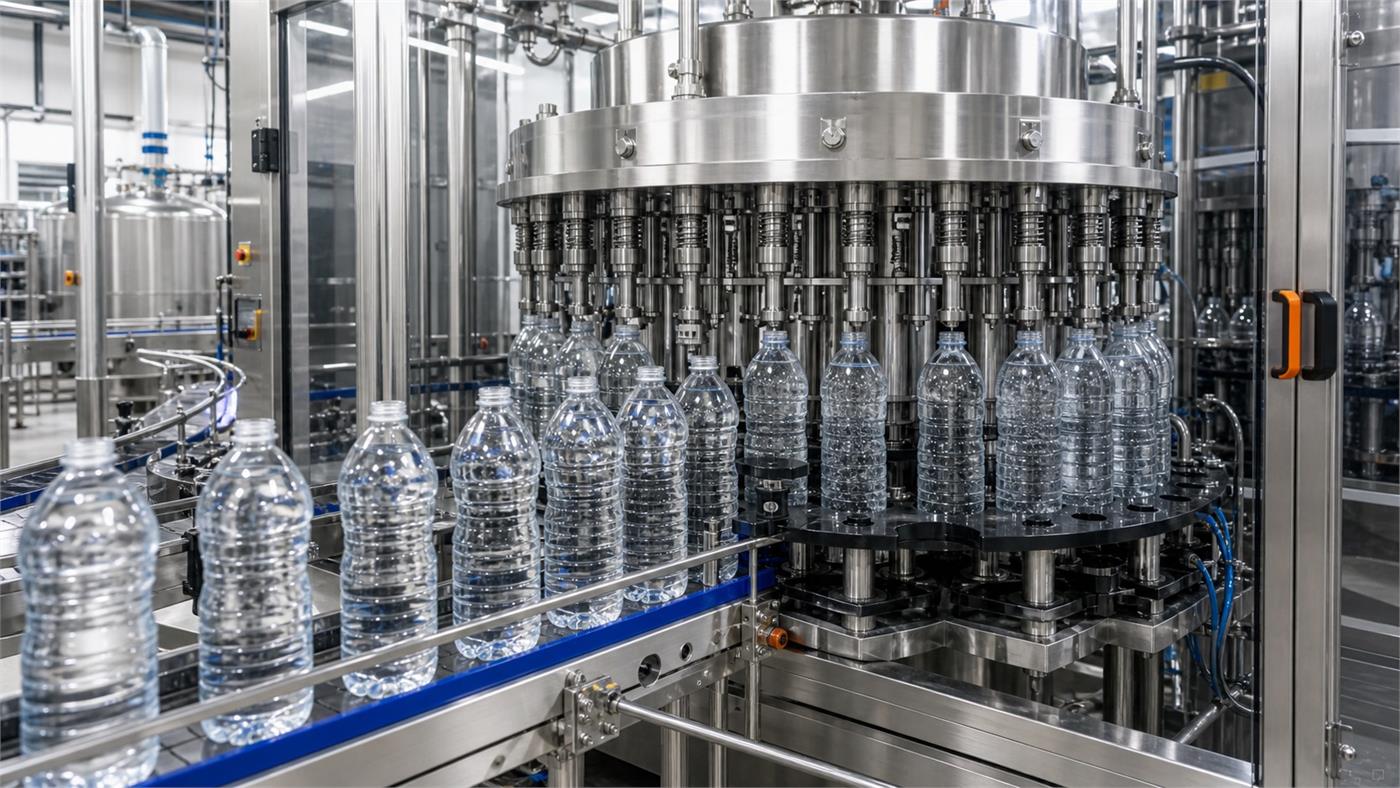
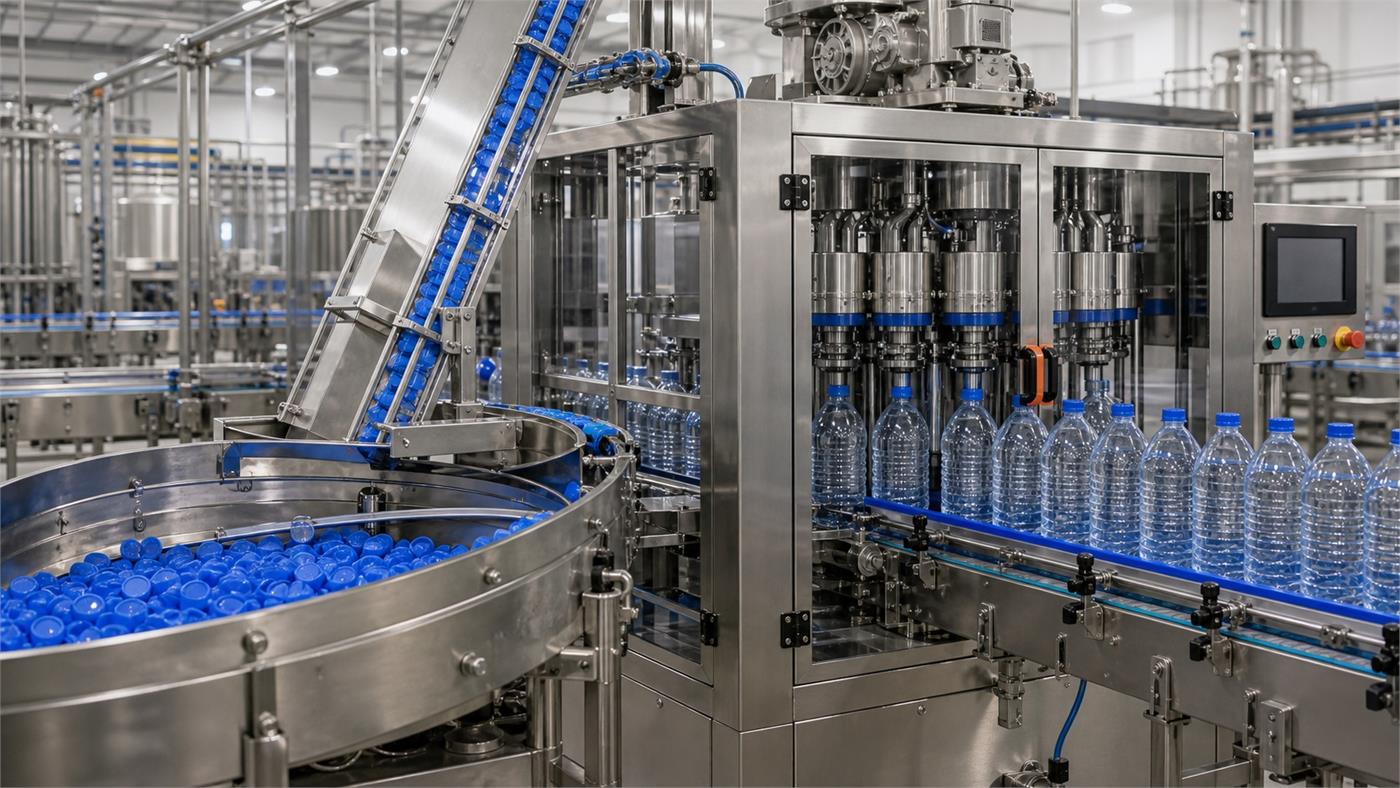
Three Functions Do Not Equal a Complete Bottling Line
The monoblock combines bottle rinsing, water filling and cap application in one coordinated machine. Treatment, bottle supply, cap feeding, conveyors, labeling, packing, utilities and factory work still need a written scope.
- Approved bottle and neck drawing
- Confirmed cap sample and feeding route
- Product and sanitation basis
- Balanced-line acceptance conditions
Define the Monoblock Before Comparing Price
Two machines described as 3-in-1 can have different application limits, interfaces and acceptance evidence. Compare the same project basis.
Bottle handling
Confirm neck support, bottle range, transfer parts and the changeover boundary.
Rinsing process
Define rinse medium, drainage, contact time responsibility and sanitation procedure.
Filling application
Match the filling principle to still water, the approved bottle and the stated operating conditions.
Capping system
Approve cap geometry, feeder interface, application control and reject handling.
3-in-1 Water Filling Machine RFQ Table
Put these items into the supplier brief so a machine quotation can be connected to the whole plant.
| Decision | What to define | Evidence to request |
|---|---|---|
| Rated output | State bottle size, product and test basis for the requested BPH. | Capacity table, test conditions and permitted losses. |
| Bottle and cap range | List launch and future formats with drawings or physical samples. | Approved sample record and change-part list. |
| Product contact scope | Identify tanks, product piping, valves and machine limits. | Flow diagram, material list and connection schedule. |
| Infeed and discharge | Define air conveyor, cap elevator, bottle conveyor and signal interfaces. | Layout drawing, elevations and control interface list. |
| Cleaning and drainage | Document cleaning method, drains, access and operator responsibilities. | Cleaning procedure and drain connection drawing. |
Inputs Needed for Machine Selection
A useful monoblock proposal starts with packaging and plant evidence rather than a desired machine price.
Bottle files
Send volume, height, diameter, neck finish, weight and stable sample bottles.
Cap files
Send closure drawing, tamper-evidence details and production samples.
Factory interfaces
Share line direction, conveyor height, room limits, product connection and drains.
FAT basis
Agree samples, run conditions, checks, records and treatment of open items.
Check the Three Stations as One Approved Bottle Path
Ask for a labeled sequence from bottle entry to capper discharge. Identify rinsing positions, filling valves and capping heads separately; the model name alone is not a capacity commitment. Use the same controlled bottle and cap samples to review each transfer.
| Station or transfer | Specific question | Evidence that closes the question |
|---|---|---|
| Rinser to filler | Are the neck support, body clearance and transfer arrangement approved? | Package drawing references and the supplier’s handling review |
| Filling carousel | Is enough time available for the approved fill at the proposed rate? | Filling sequence, speed basis and bottle-specific trial |
| Cap delivery to capper | Can the actual closure sort, travel, seat and be applied correctly? | Approved sample, feeder setup and application record |
| Capper discharge | Does the bottle transfer stably into the stated conveyor and next machine? | Discharge arrangement and coordinated line trial |
FAQ
What does a 3-in-1 water filling machine do?
It combines bottle rinsing, water filling and cap application in one coordinated monoblock for an approved product and container range.
Is a 3-in-1 filler a complete water bottling line?
No. Treatment, bottle supply, cap feeding, conveyors, labeling, packing, utilities and site work may remain outside its scope.
Which bottle information does the supplier need?
Provide bottle volume, dimensions, neck finish, weight, drawing and stable samples, plus every planned format.
How should machine capacity be compared?
Compare BPH using the same bottle, product, operating conditions and acceptance test basis.
What should be tested during FAT?
Use approved bottles and caps to check operation, output basis, fill and closure performance, alarms, change parts and agreed records.
Request a 3-in-1 Filling Machine Scope Review
Share what you know now. The goal is to prepare a useful plant brief before a machine quotation is built.