Plant hygiene system
Bottled Water Plant Hygiene and Sanitation Planning
Connect building zones, people, treatment, product-contact equipment, packaging, cleaning, monitoring and records before equipment arrives.
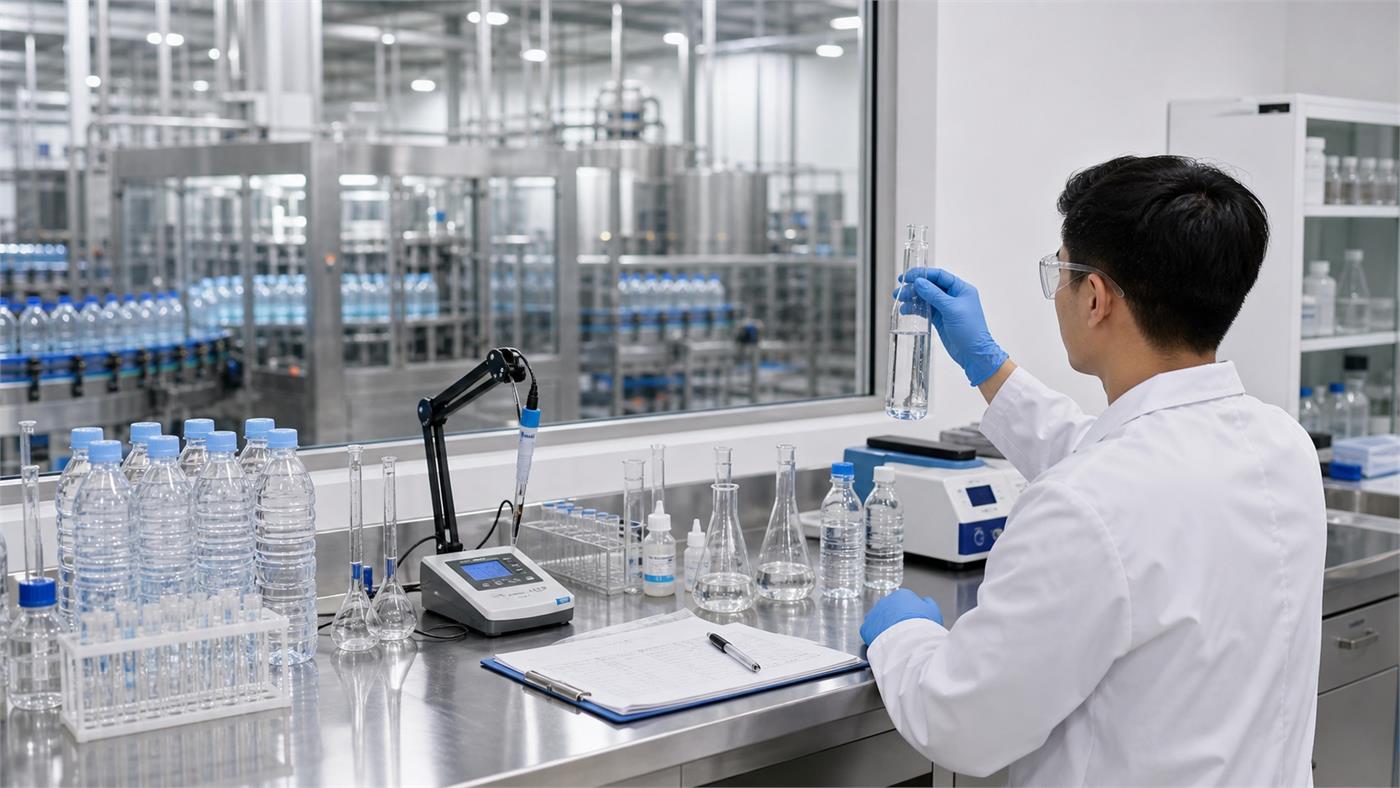
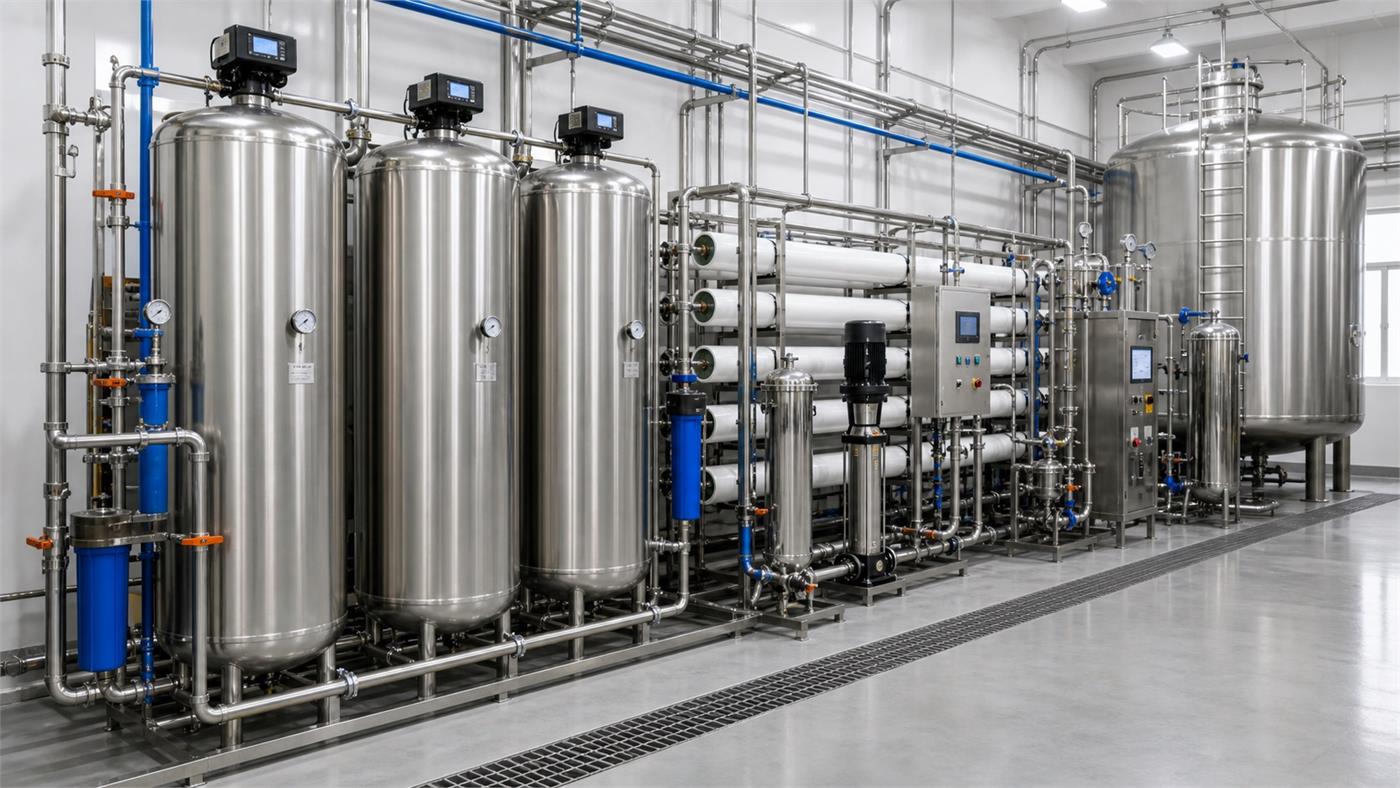
Hygiene Is More Than Stainless Steel Equipment
A hygienic plant depends on source control, zoning, drainage, personnel practices, cleaning, packaging-material handling, environmental controls, verification and trained ownership.
- Raw and treated-water controls
- Clean filling and personnel flow
- Product-contact cleaning and sanitation
- Packaging, environment, records and training
Build the Hygiene Plan Around Product Flow
Use qualified local food-safety specialists to connect facility design and operating procedures with the actual product and destination-market obligations.
Zones and movement
Separate incompatible flows and define personnel, material and waste routes.
Water and product path
Protect sampling, treatment, storage, transfer and filling from recontamination.
Cleaning systems
Document CIP, COP or manual cleaning boundaries, tools, chemicals and verification.
Monitoring and records
Assign checks, sampling, corrective action, training and record retention.
Bottled Water Hygiene Planning Matrix
This is a planning framework, not a substitute for the site food-safety plan or regulatory review.
| Decision | What to define | Evidence to request |
|---|---|---|
| Building zones | Define raw, treatment, filling, packing and warehouse interfaces. | Zoning and traffic-flow drawing. |
| Personnel practices | Define entry, clothing, hand hygiene and training. | Written procedures and training records. |
| Cleaning and sanitation | Map equipment, surfaces, methods and frequencies. | Master sanitation schedule and verification plan. |
| Packaging control | Protect bottles, caps, labels and films from contamination or mix-up. | Storage and handling procedures. |
| Monitoring | Define water, product and environmental checks. | Qualified sampling and corrective-action plan. |
Hygiene Information Needed During Plant Planning
The final program must be developed for the real facility, process and legal environment.
Product and source
Define product category, source-water evidence and approved treatment route.
Building drawing
Show rooms, doors, drains, air movement, personnel routes and material flow.
Equipment cleaning data
Collect supplier cleaning methods, materials, drains and inaccessible areas.
Local requirements
Engage qualified specialists for licensing, food safety, laboratory and release obligations.
FAQ
What are the main hygiene areas in a bottled water plant?
They include source and treatment control, hygienic storage and transfer, clean filling, personnel and material flow, equipment cleaning, packaging control, monitoring and records.
Does stainless steel equipment guarantee hygiene?
No. Design, installation, cleaning, drainage, operation, environment, verification and trained personnel all matter.
How should the filling room be planned?
Qualified specialists should define zoning, access, drainage, surfaces, air and material movement for the actual product and local requirements.
What is the difference between cleaning and sanitation?
Cleaning removes soils; sanitation applies an approved method to reduce relevant contamination after effective cleaning. Procedures must be validated for the site.
Who is responsible for the hygiene plan?
The plant owner must assign qualified food-safety, production, quality and maintenance responsibilities and coordinate supplier information.
Request a Plant Hygiene Scope Review
Share what you know now. The goal is to prepare a useful plant brief before a machine quotation is built.