Production workflow guide
Bottled Water Production Line Process: Raw Water to Packed Bottles
Follow the complete production workflow from source-water control and bottle preparation to rinsing, filling, capping, labeling, coding, packing, quality checks and finished-goods handoff.
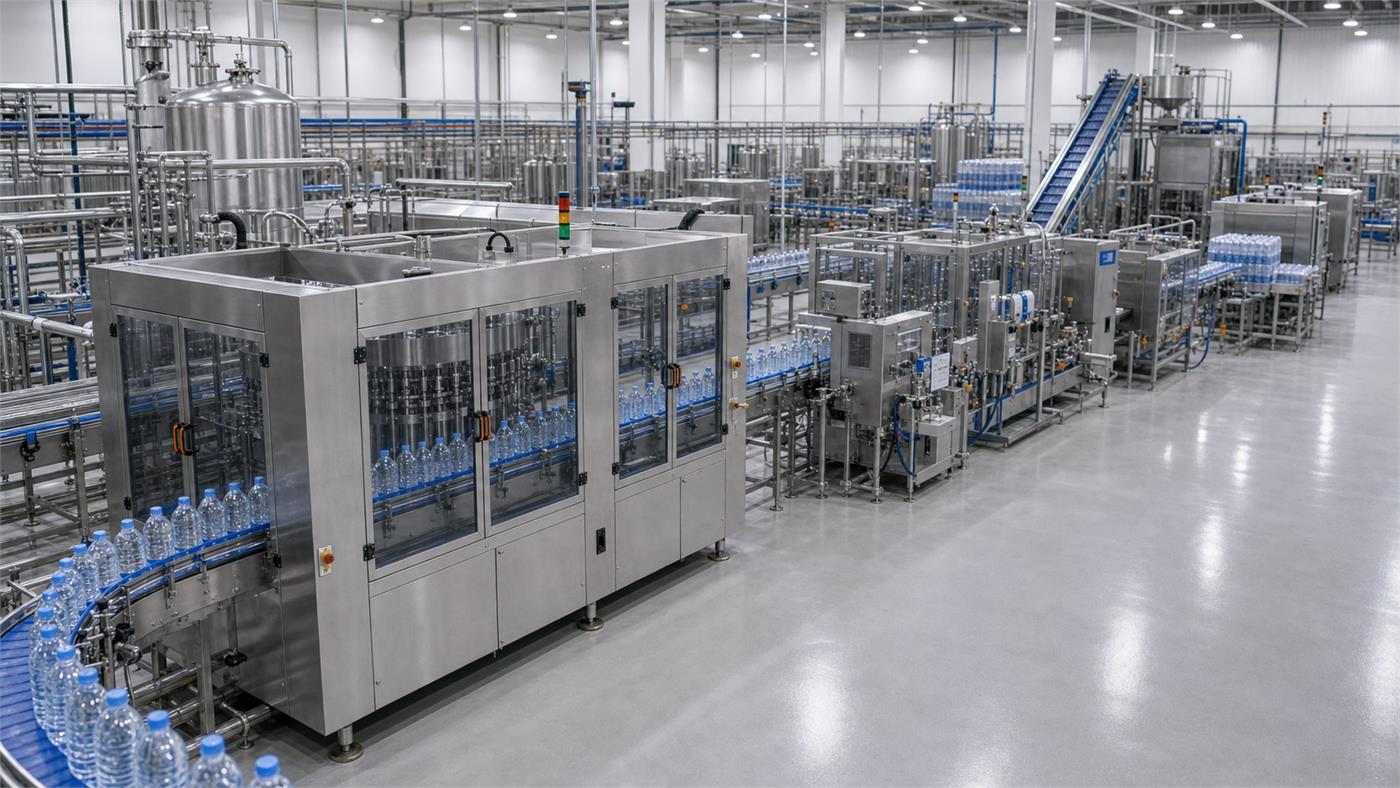
Two Preparation Streams Meet at the Filling Center
A bottled water production line is not one straight row of machines. The water stream and the packaging stream are prepared in parallel, then meet under controlled conditions at rinsing, filling and capping before the sealed bottle moves through identification, packing and warehouse handoff.
- Source water to treated-water delivery
- Preform or empty-bottle preparation
- Rinsing, filling and closure
- Label, code, pack and finished-goods records
Follow the Water Bottling Line From Treatment to Warehouse
Use the photos as a practical checklist when preparing a complete line inquiry. If a quotation skips one of these areas, the project scope may not be complete.
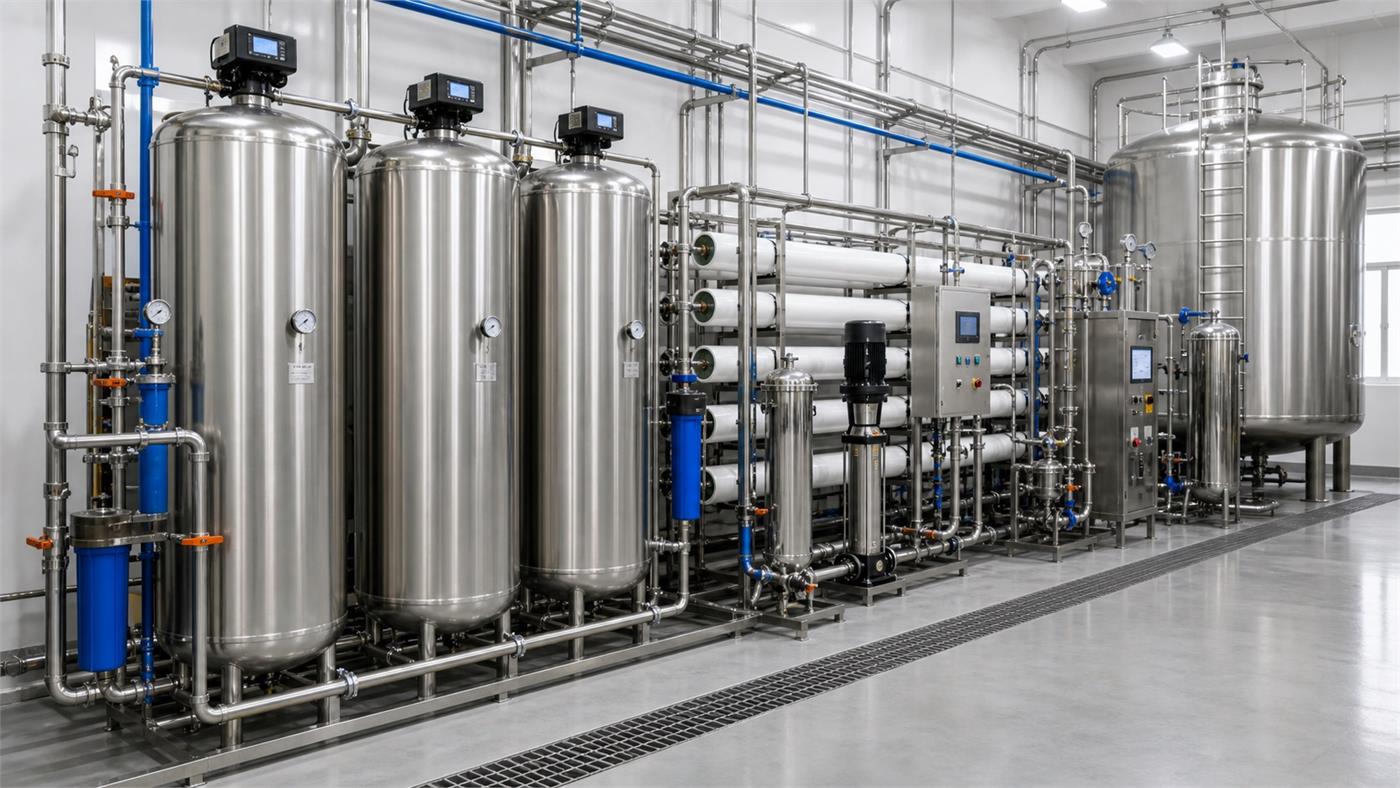
Water treatment
Treat and store water before filling.
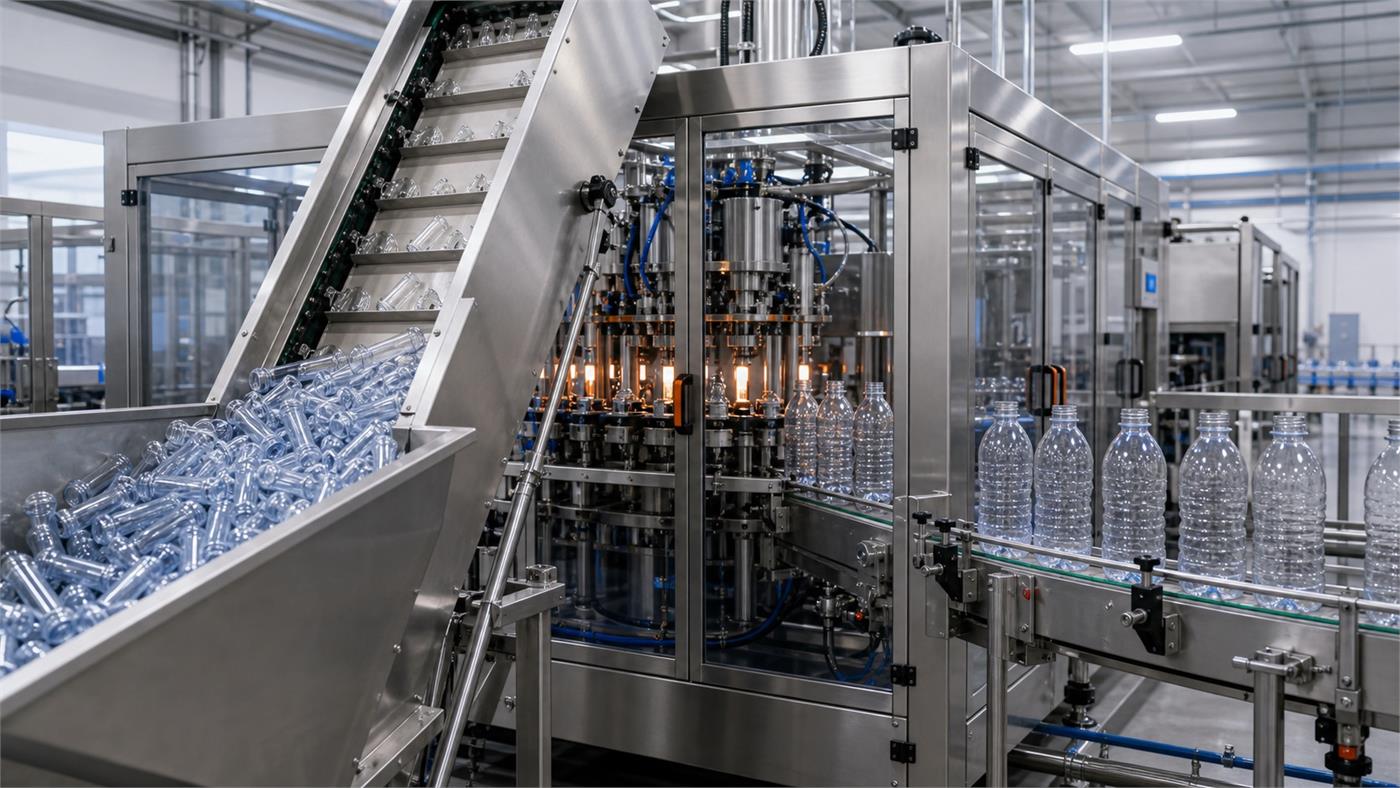
Bottle supply
Plan preforms, blowing or purchased bottles.
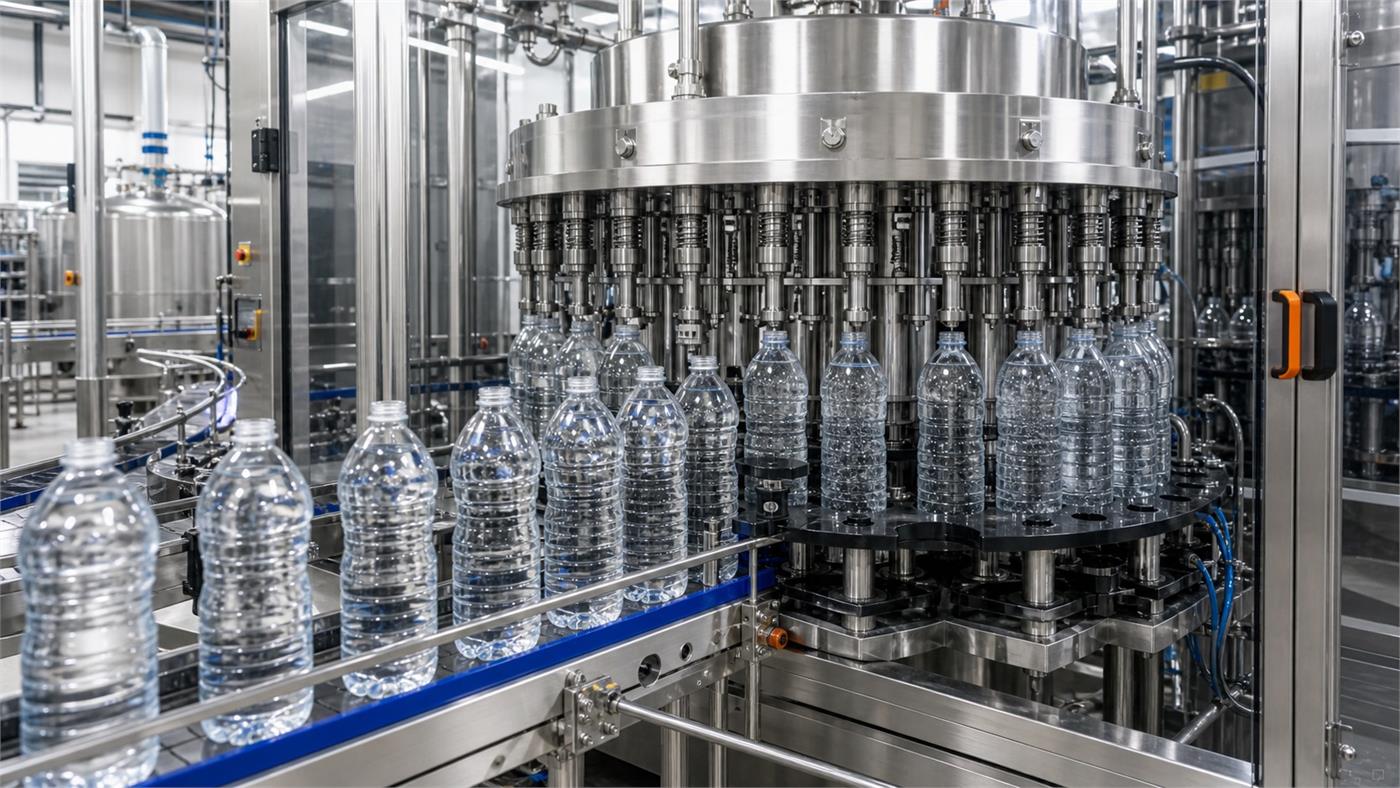
Rinsing and filling
Match filler speed to the full line.
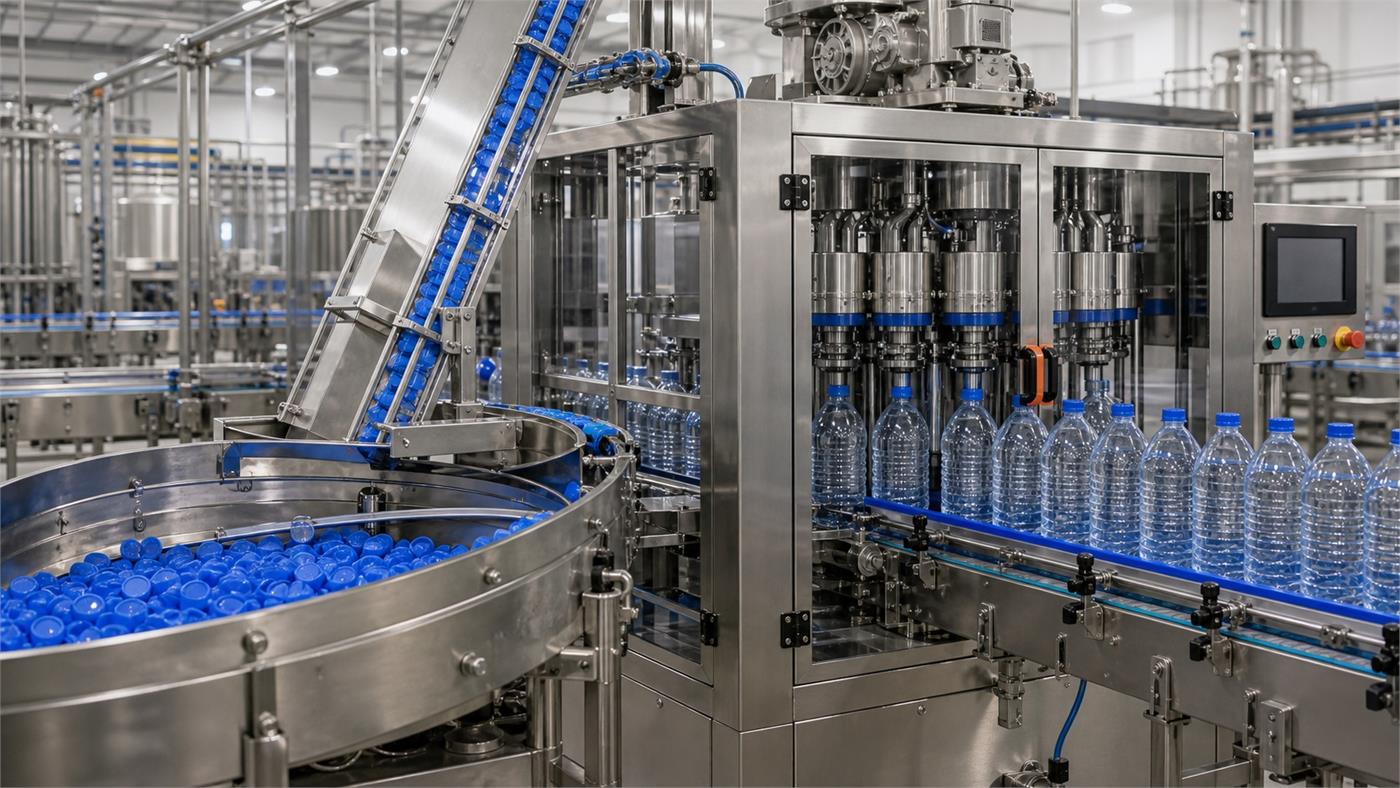
Cap handling
Confirm cap sorting and capping stability.
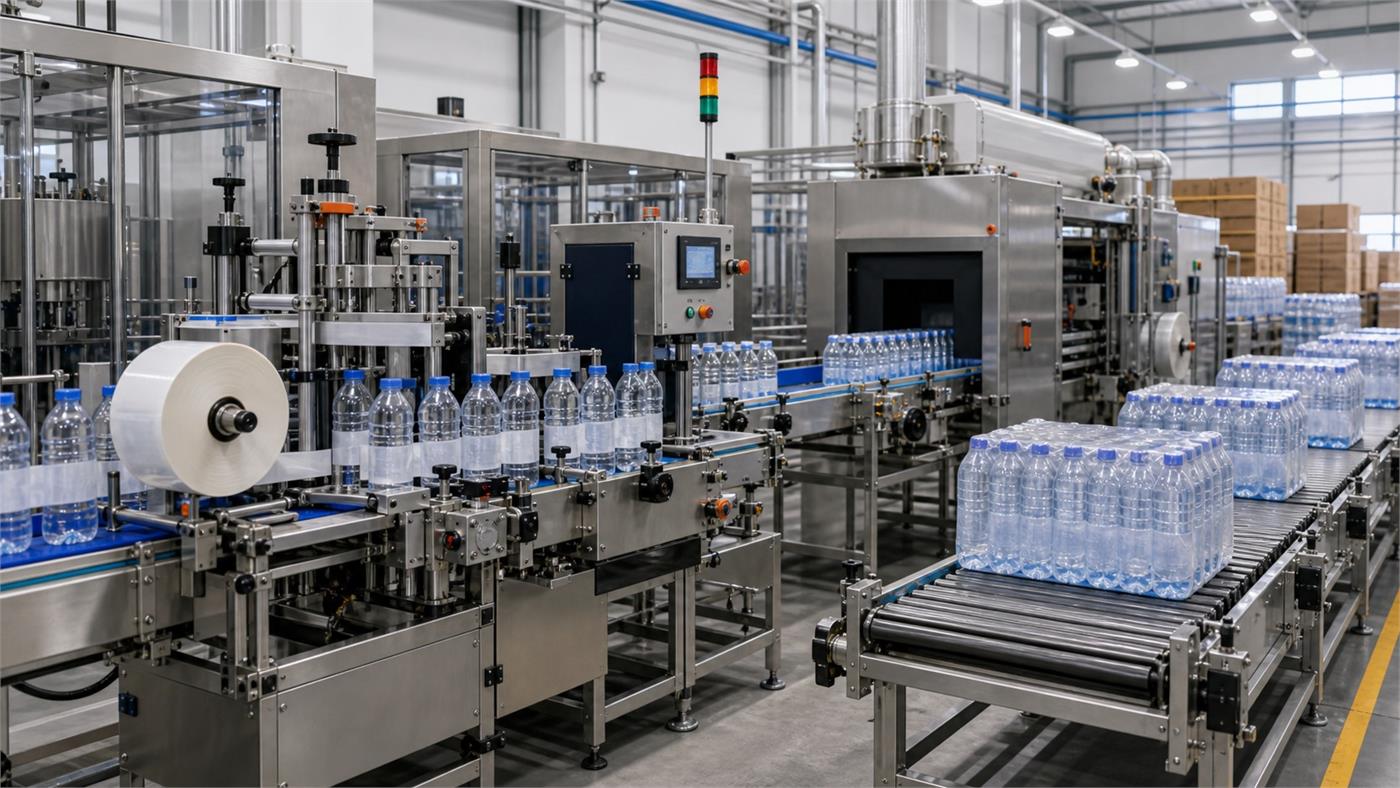
Labeling and packing
Prevent packing from limiting output.
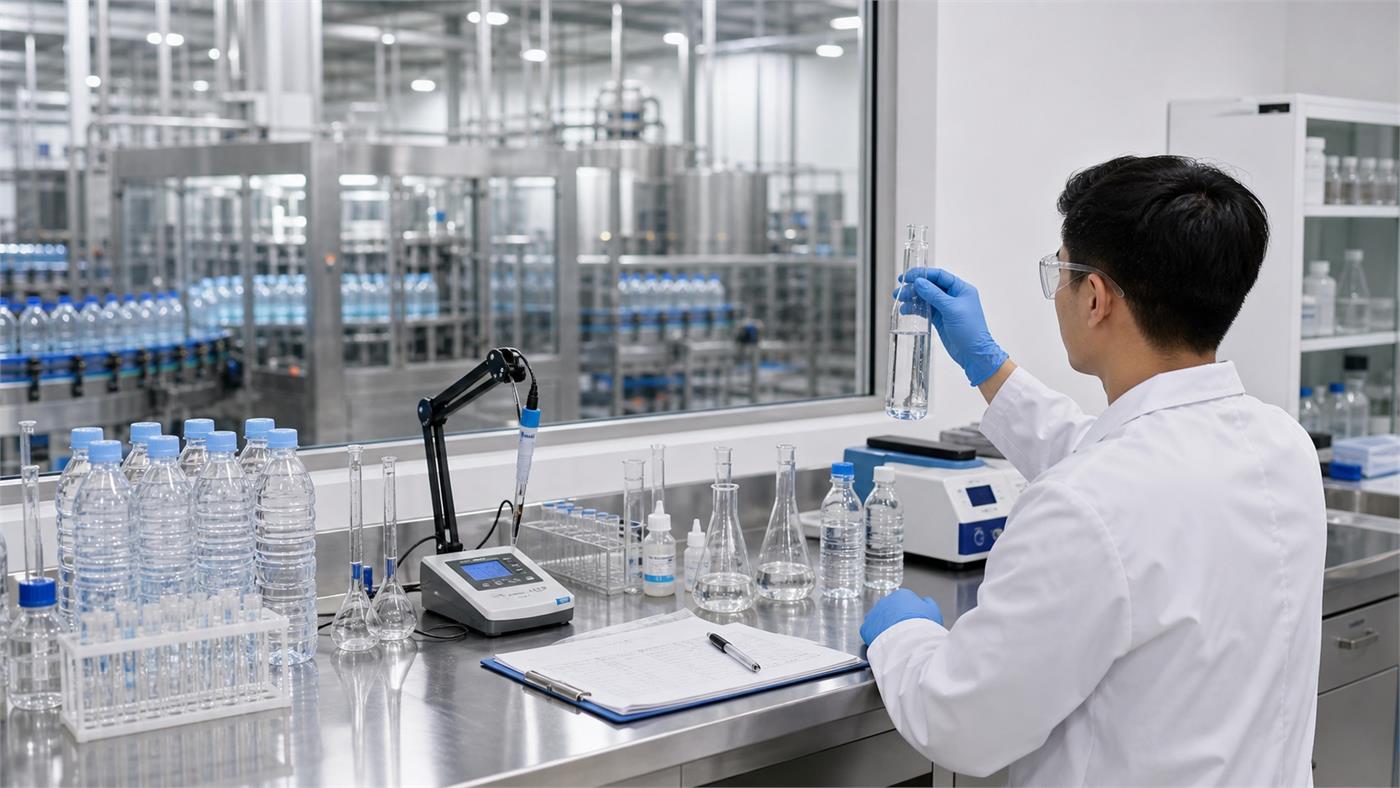
Quality control
Test water and finished bottle samples.
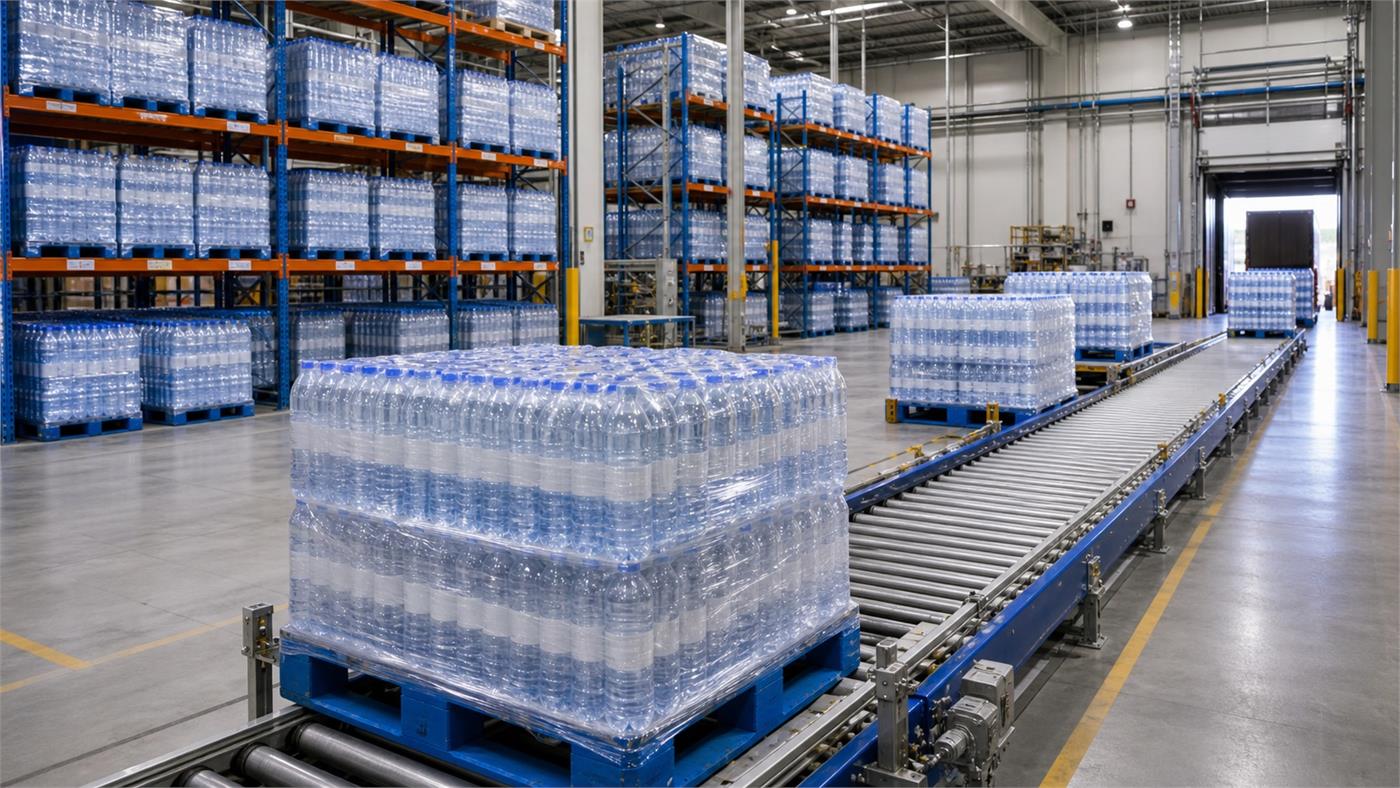
Finished warehouse
Move packs into storage and dispatch.
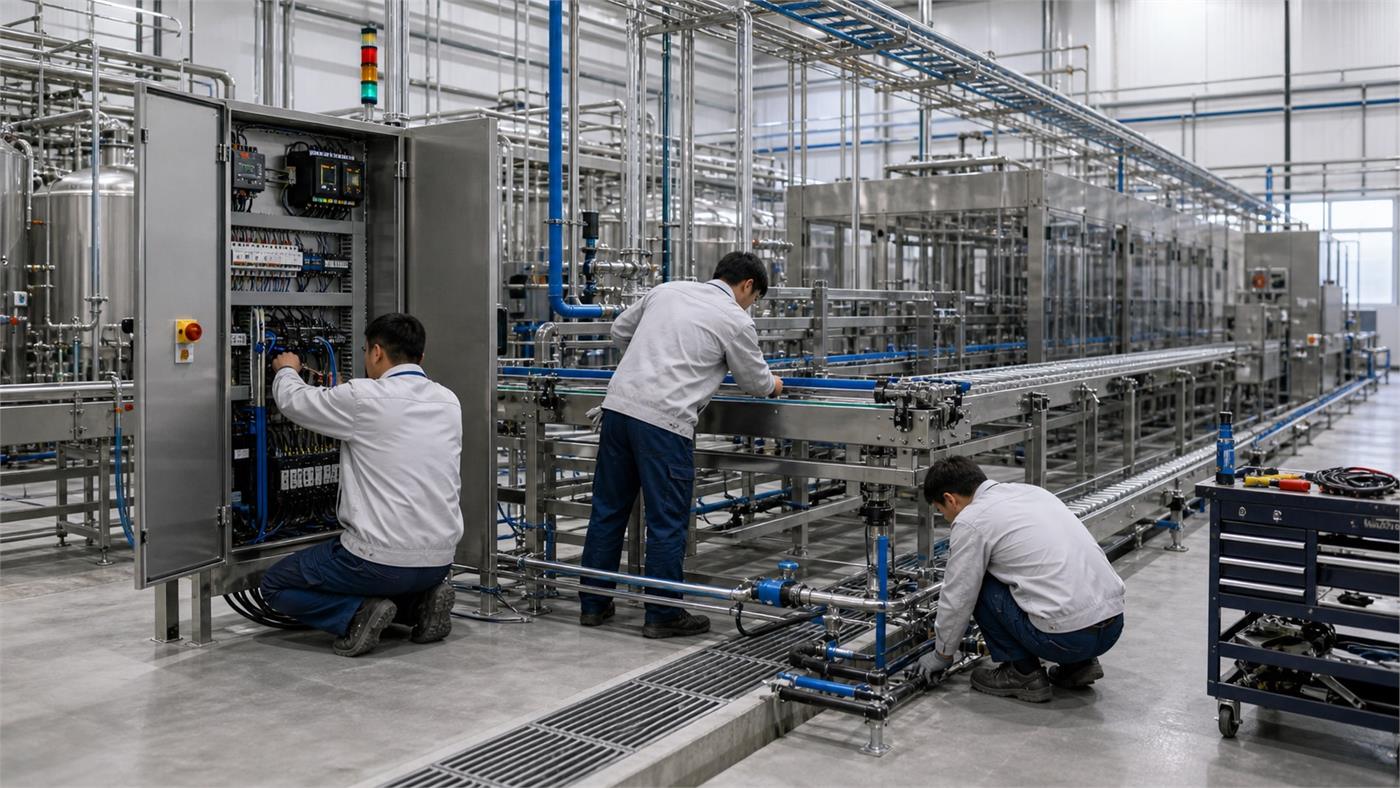
Installation utilities
Prepare air, power, drainage and access.
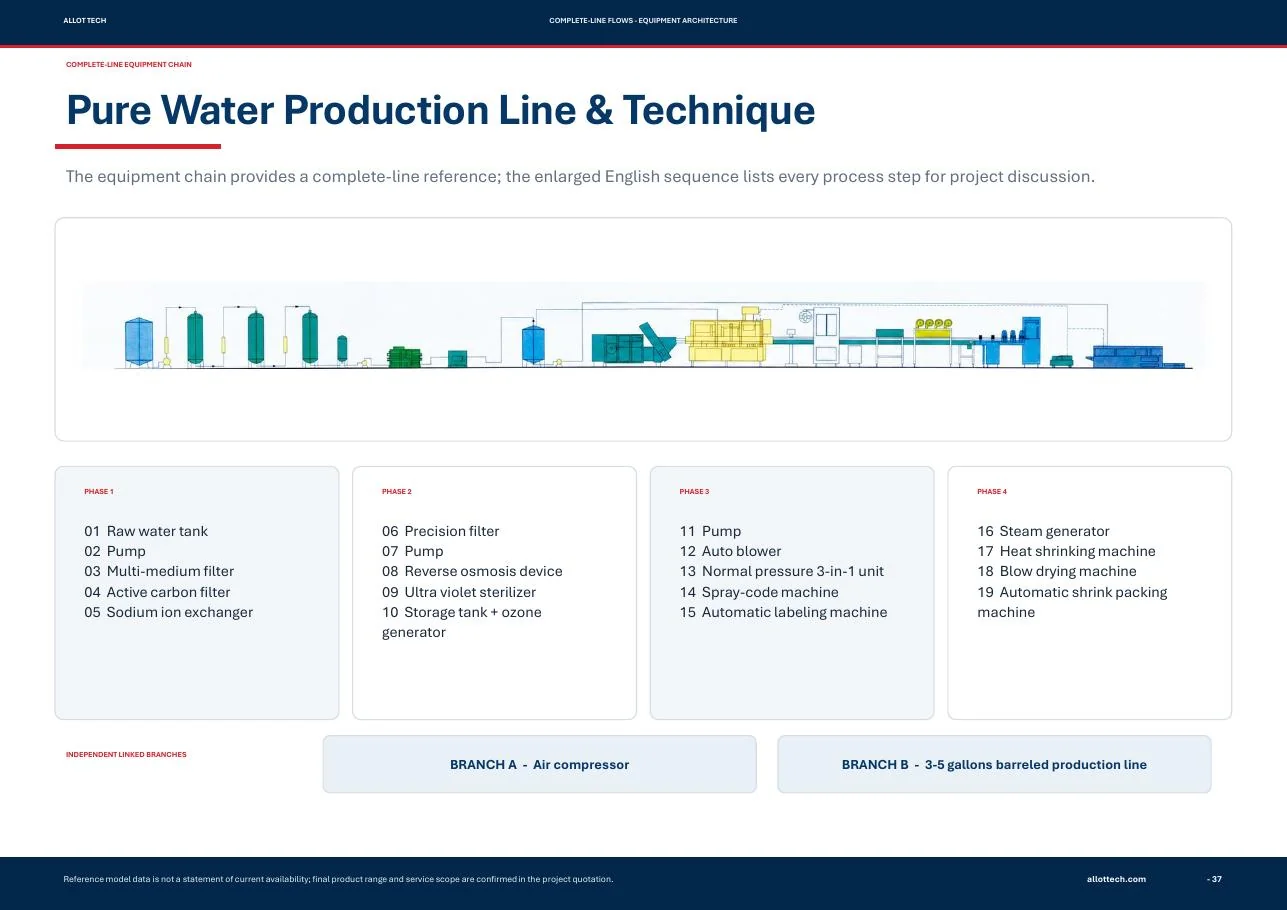
The Complete Bottled Water Production Workflow
The exact treatment and equipment depend on the project. This sequence shows the decisions and handoffs that should appear in a complete process review rather than assuming every plant uses one fixed machine package.
1. Product and process basis
Define the intended water product, source, launch bottles, caps, labels, finished packs, target output and local review requirements. These inputs establish what the process must achieve.
2. Source-water intake and testing
Identify the source and use qualified test information to define risks, treatment questions, intake control, storage and the sampling plan. Appearance or taste is not a treatment specification.
3. Water treatment and disinfection
Build the treatment route from source-water data and the finished-product objective. Filtration, membranes, UV, ozone, tanks and monitoring should be selected for the approved process, not copied from another factory.
4. Treated-water storage and delivery
Protect treated water between treatment and filling. Confirm the storage, circulation or delivery method, sanitary piping, cleaning responsibility, sampling points and the connection conditions required by the filler.
5. PET bottle or empty-bottle preparation
In parallel, prepare approved containers. The route may use purchased empty bottles, a standalone PET blower or an integrated blow-fill system, each with different storage, utility, transfer and hygiene responsibilities.
6. Bottle rinsing, water filling and capping
Bring approved bottles and treated water together at the filling center. Confirm bottle handling, rinse method, fill process, cap feeding, closure application, drainage, cleaning, controls and the agreed operating basis.
7. Post-fill transfer and inspection
Stabilize sealed bottles and inspect the agreed characteristics before decoration. Define bottle transfer, accumulation, rejection points, operator checks and how nonconforming bottles are separated and recorded.
8. Labeling and batch coding
Apply the approved label and production or batch code using the confirmed bottle surface, label material and code position. Provide access for loading, inspection, changeover and removal of rejected bottles.
9. Secondary packing
Group bottles into the approved film, tray, carton or other pack. Check pack arrangement, material quality, sealing or wrapping, code visibility, conveyor transfer and whether manual support remains part of startup.
10. Pallet and warehouse handoff
Move stable finished packs into the defined pallet, staging and warehouse route. Identify the point where production responsibility passes to inventory, storage, dispatch or distributor handling.
11. Cleaning, records and controlled restart
The process also includes shutdown, cleaning, inspection, maintenance release, material reconciliation, record completion and restart checks. These routines protect the next production run and should be trained before handover.
How the Water and Packaging Streams Converge
Mapping the streams separately exposes missing interfaces. A supplier may provide one stream, several machines or the full line, so the responsibility at each handoff must be written.
| Process stream | Preparation route | Required handoff |
|---|---|---|
| Water stream | Source identification, intake, treatment, disinfection where approved, treated-water storage and product-water delivery. | Approved water condition at the filling connection, with defined pressure or flow basis, sampling, cleaning and supplier/buyer responsibility. |
| Bottle stream | Purchased-bottle receiving and protected feeding, or preform handling, heating, blowing, cooling and bottle transfer. | Approved bottle at filler infeed, with controlled neck finish, shape, stability, cleanliness, transfer and rejected-bottle handling. |
| Closure stream | Cap receiving, storage, feeding, sorting and transfer to the capping section. | Approved caps available in the correct orientation with defined change parts, rejected-cap route and material control. |
| Decoration stream | Labels, ink or coding consumables, film, trays, cartons and pallet materials prepared from approved samples. | Correct materials at each machine, with batch identification, loading method, storage condition and changeover responsibility. |
| Convergence at filling | Treated water, bottles and caps enter the rinsing-filling-capping center under one approved product and bottle basis. | Sealed bottles leave the center safely and consistently for downstream inspection, labeling, coding and packing. |
| Finished-goods stream | Sealed bottles are decorated, coded, inspected, packed and transferred through the warehouse route. | Accepted packs and records pass to storage or dispatch with rejected goods and unresolved process issues controlled separately. |
Stage-by-Stage Handoffs to Confirm
Each process stage needs an approved input, a controlled output and evidence that the handoff works. Final measurements and acceptance limits must come from the contracted project, qualified testing and applicable local requirements.
| Stage | Input and output to define | Evidence or record to request |
|---|---|---|
| Source-water intake | Known source and sampling point to controlled intake or raw-water storage. | Source description, available test reports, sampling plan and intake responsibility. |
| Treatment | Raw-water condition to approved treated-water basis. | Process flow, equipment scope, operating instructions, sampling points and supplier assumptions. |
| Treated-water delivery | Treatment outlet and storage to filler product connection. | Piping and tank scope, connection schedule, cleaning route and approved interface drawing. |
| Bottle preparation | Preform or received bottle to stable bottle at filling infeed. | Approved drawings or samples, mold or feeding scope, utility needs and transfer responsibility. |
| Filling and capping | Approved bottle, water and cap to sealed bottle. | Machine scope, sanitation procedure, agreed operating test, closure checks and open-item record. |
| Bottle inspection | Sealed bottle to accepted or rejected downstream bottle. | Inspection points, test method, rejection route, operator responsibility and result record. |
| Labeling and coding | Accepted bottle plus approved label and coding material to identified bottle. | Artwork or material approval, code position, readability check, change parts and reject handling. |
| Secondary packing | Identified bottles plus film, tray or carton to stable finished pack. | Approved pack pattern, material specification, pack test and downstream conveyor interface. |
| Warehouse transfer | Finished pack to pallet, staging, inventory or dispatch. | Flow drawing, handling responsibility, accepted/rejected segregation and batch record. |
| Cleaning and restart | Completed production run to released equipment for the next run. | Cleaning and inspection procedure, maintenance release, material reconciliation, operator signoff and restart checklist. |
How Bottle Supply Changes the Production Flow
The downstream purpose stays similar, but the upstream bottle route changes the layout, utilities, controls and operating responsibilities.
Purchased empty bottles
The process starts with incoming-bottle approval, protected storage and a bottle unscrambler or feeding route. Transport damage, contamination risk and storage volume should be reviewed.
Standalone PET blower
Preforms are stored and fed to a separate blower. Bottle quality, high-pressure air, cooling, molds and air-conveyor transfer become explicit process stages before filling.
Integrated blow-fill-cap architecture
Preforms move through bottle making and directly into filling and capping within one connected architecture. The project still needs approved preforms, molds, utilities, cleaning, downstream decoration and packing.
Several bottle formats
Each approved bottle can change molds, guides, filler handling, label setup, conveyors and pack arrangement. The process must include change parts, settings, samples, storage and release checks.
Still versus sparkling water
Do not treat the process as automatically interchangeable. Product preparation, filling method, pressure-rated bottle, controls and cleaning can differ and require separate technical approval.
Startup versus future automation
A startup route may retain manual loading, pack handling or pallet work. Mark these operating steps honestly and reserve layout and interfaces for later automation without claiming it is already included.
Where the Bottling Process Commonly Loses Flow
A complete process review looks at recurring stops and material handoffs, not only the rated speed of the filling center.
Treated-water availability
The filling section waits when treatment, storage or product-water delivery cannot support the production schedule.
Bottle quality and transfer
Unstable bottles, inconsistent preforms, damaged purchased bottles or poor transfer can create jams and repeated downstream stops.
Cap and label materials
Incorrect or inconsistent caps and labels can stop machines even when the main filler is ready. Approved samples and receiving checks matter.
Changeovers
Bottle, label and pack changes require parts, settings, materials, tools, storage and trained operators. The sequence should be documented rather than hidden from output planning.
Downstream packing
A labeler or packer that cannot sustain the planned route can constrain the complete line. Accumulation may help short stops but does not correct a permanent mismatch.
Manual tasks
Material loading, sample checks, rejected-product removal, film change, pallet work and recordkeeping need enough trained people for the proposed operating model.
Cleaning and planned maintenance
Production planning must include sanitation, inspection, lubrication, part replacement and restart checks. Nameplate speed alone cannot represent usable daily output.
Warehouse movement
Finished packs need a clear destination. Congested pallet or forklift routes can push disruption back into packing and the production line.
Process Checks Before Product Release
This page does not replace a qualified quality plan. It shows where buyers should require project-specific methods, responsibilities and records instead of accepting a generic statement that the line is automatic.
Water checks
Define source-water and treated-water sampling, production checks and responsibility with qualified laboratories and applicable local review.
Packaging checks
Approve bottle or preform, cap, label, code and pack materials; record incoming issues and keep nonconforming materials out of the process.
Filling and closure checks
Agree how the team observes fill and closure performance, bottle condition, leakage or other project-specific acceptance characteristics.
Label and code checks
Confirm correct material, position, presence and readability using the approved artwork, code content and inspection method.
Finished-pack checks
Review pack arrangement, stability, identification and separation of damaged or rejected packs before warehouse release.
Batch and process records
Connect material batches, production time, checks, rejects, cleaning, maintenance and released finished goods using a record system suitable for the plant.
Deviation handling
Define who stops the line, segregates material, investigates a process issue, approves restart and closes the record.
Training evidence
Operators and maintenance staff need role-based training for startup, shutdown, cleaning, checks, changeover, fault reporting and escalation.
Evidence to Review During FAT, SAT and Handover
The contracted acceptance plan should cover the complete purchased scope. A successful test of one machine does not prove every process handoff is ready.
| Review gate | Process questions | Expected evidence |
|---|---|---|
| Technical approval | Are product, bottle, cap, label, pack, process flow, equipment boundary and interfaces approved? | Dated drawings, samples, scope list, process flow, layout, utility schedule and open-item register. |
| FAT preparation | Are test materials, run basis, safety checks, inspection methods, documents and responsibilities agreed? | Written FAT protocol, supplied samples, measurement method and acceptance/open-item process. |
| Factory acceptance | Do purchased machines run safely and do available interfaces perform under the agreed test basis? | Recorded results, observations, photos where permitted, document checklist and unresolved-item list. |
| Site readiness | Can the factory receive, connect, clean and test the process safely? | Access and layout review, completed utilities, drains, local labor plan, materials and permission status. |
| SAT and product trials | Do connected sections transfer water, bottles, caps, labels and packs through the installed process? | Site test results, quality records, training record, deviations and dated corrective actions. |
| Operational handover | Can the team operate, clean, maintain, record and restart the process? | Manuals, drawings, parts lists, role-based training, maintenance schedule and accepted handover record. |
Trace One Bottle Through the Process Interfaces
Use the production sequence to check what changes at each handoff. The water stream, empty-bottle stream and packaging-material supply need coordinated conditions before the final accepted product can be counted.
For a purchased-bottle PET route, follow receiving and feeding into the filling/capping center, then the selected label, code and pack route. For in-house blowing, add preform supply, bottle manufacture and its connection to filling. The interface record should identify the package revision and the evidence for each chosen route.
| Handoff | Question to resolve | Related evidence |
|---|---|---|
| Water to filling | Which delivery point and operating conditions apply? | Process basis and utility/product connection record |
| Empty bottle to filling | Does the approved container transfer correctly? | Bottle/neck reference and format trial |
| Closed bottle to labeling | Which bottle condition and label method are specified? | Packaging references and coordinated machine requirements |
| Inspected product to packing | How are rejected bottles excluded and packs reconciled? | Reject and accepted-product counting definitions |
| Complete packs to handoff | Where does the quoted line end and site handling begin? | Discharge definition and responsibility record |
FAQ
What is the bottled water production line process?
It is the connected workflow that prepares source water and packaging materials, brings treated water and approved bottles together at filling, then caps, labels, codes, packs, checks and moves finished goods into storage.
Where does the water bottling process start and finish?
The production process starts with source-water information, testing and intake control. It finishes only after sealed bottles are identified, packed, checked, recorded and transferred to the approved finished-goods area.
Does water treatment happen before bottle filling?
Yes. The treatment route and treated-water storage should be approved before water reaches the filler. The exact filtration, membrane or disinfection stages depend on source-water data, product definition and local requirements.
How do bottle making and water treatment connect in the workflow?
They are parallel preparation streams. Treated water reaches the filling center through the approved product-water route, while purchased bottles or newly blown PET bottles reach the same center through the approved bottle-handling route.
What happens inside a 3-in-1 water filling machine?
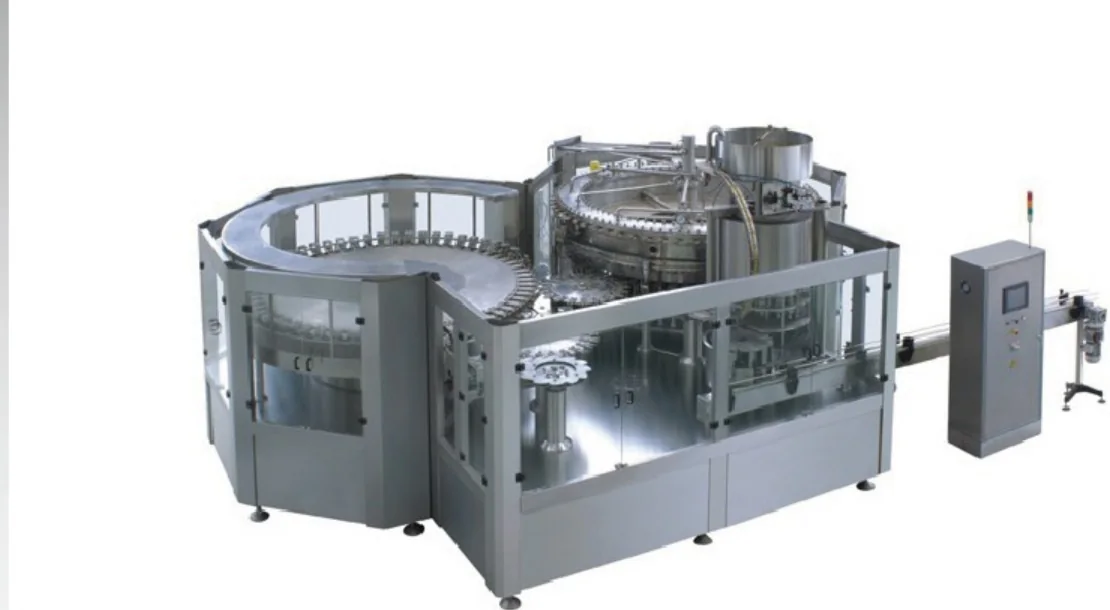
A typical 3-in-1 center combines bottle rinsing, water filling and cap application. It does not replace the upstream treatment and bottle-supply stages or the downstream labeling, coding and packing stages.
When are labels and date codes applied?
Labeling and coding usually follow filling and capping after the bottle is stable and suitable for the selected label and code process. The exact position, drying need, inspection point and material must be approved for the line.
Which quality checks belong in the bottling process?
Define checks for source and treated water, bottle and cap condition, fill and closure results, label and code presence, finished-pack condition and process records. Test methods and acceptance limits require qualified project and local review.
How does the process change when a plant buys empty bottles?
Purchased bottles remove the preform-heating and bottle-blowing stages, but add incoming-bottle approval, protected storage and a bottle-feeding or unscrambling route. Filling, capping, labeling and packing still require coordinated interfaces.
Where should accumulation be planned in a water bottling line?
Accumulation is considered between sections where short stops can affect the whole line, especially around bottle transfer, labeling and packing. The required location and capacity depend on bottle stability, layout and equipment-specific controls.
What evidence should confirm the complete production process before acceptance?
Use approved water, bottle, cap, label and pack inputs; a line-flow and interface list; utility and sanitation records; agreed operating tests; quality checks; training records; documents; and a dated open-item list.
How Does a Complete Bottled Water Production Line Work?
The production process connects two flows: water moves from source evidence through treatment and hygienic storage to filling, while packaging materials move from preforms or empty bottles through closure, labeling, packing and pallet handling. Both flows must meet at the same bottle-specific output and quality basis.
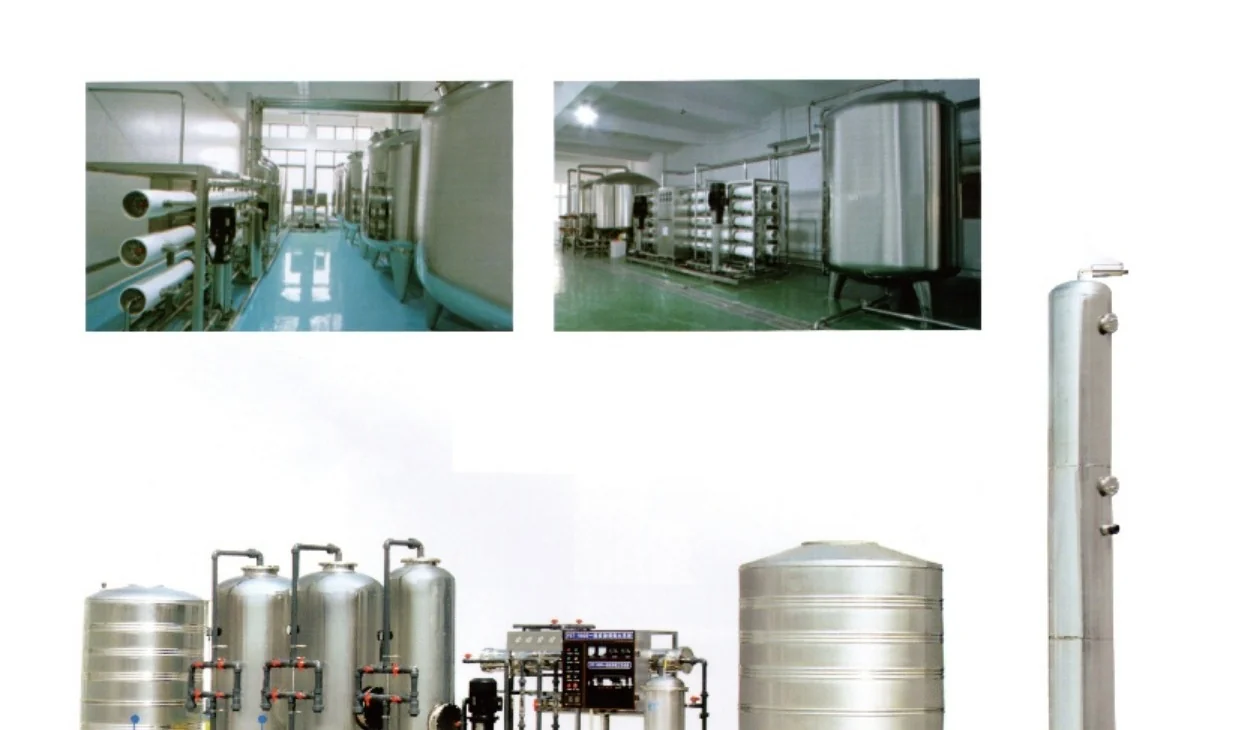
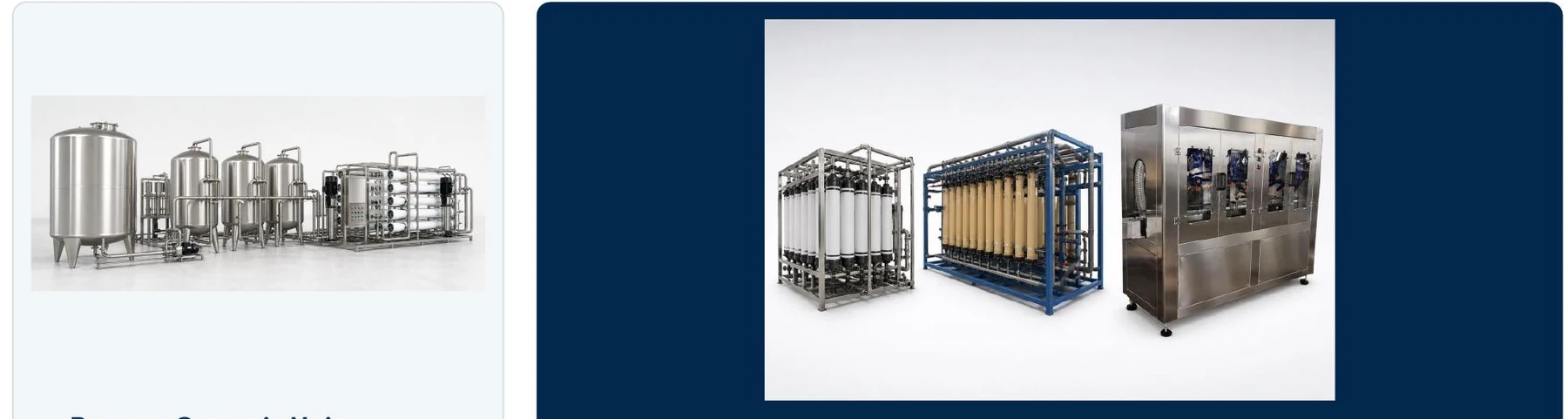
Equipment references for this planning stage
These authentic brochure images help buyers identify the machine categories that may sit inside a complete water bottling line. They are not customer-case evidence and do not fix the final model, output, process, utility load or supplier boundary.
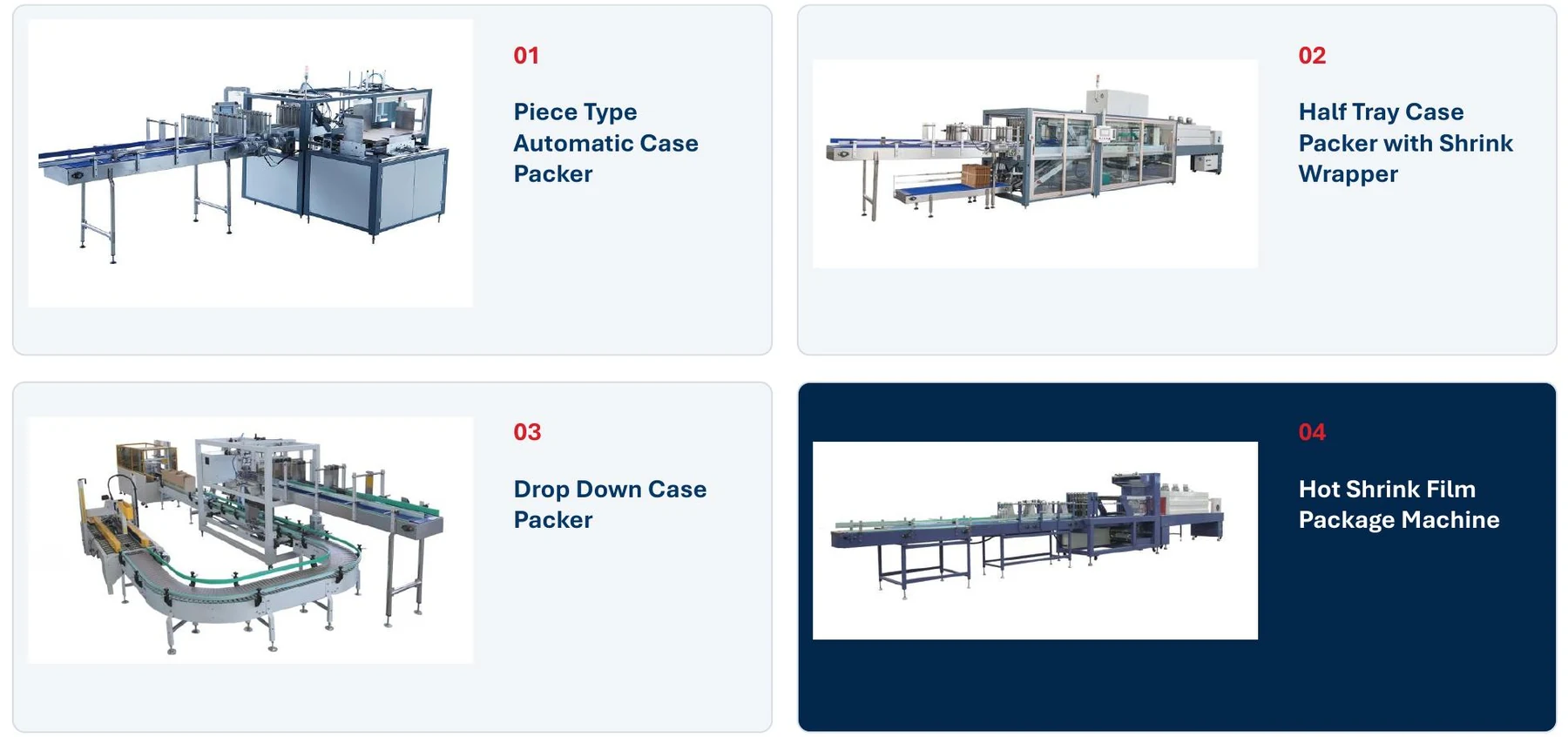
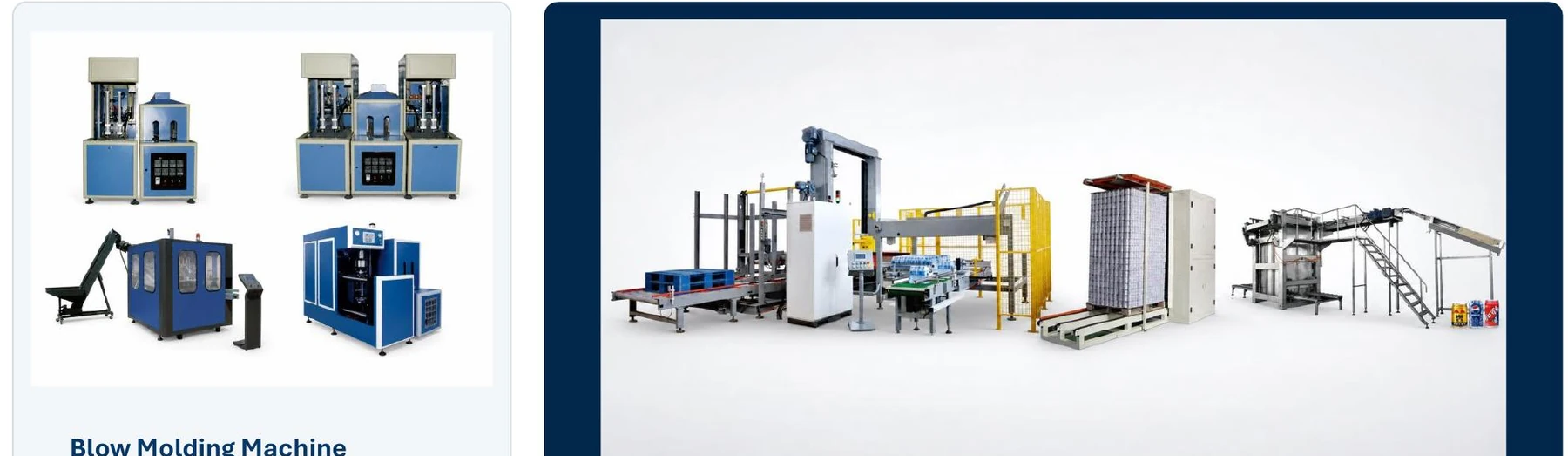
Quotation check: ask the supplier to mark each proposed item as included, optional, buyer supplied or excluded, then connect every item to the preliminary layout and utility schedule.
Questions to answer before requesting price
- Which process step owns each water, bottle, control and utility interface?
- Can bottle supply, filling and packing sustain the same accepted output?
- Where are quality checks, rejects and traceability records created?
- What must be tested before the process is released for routine production?
Buyer-decision content prepared for project clarification. Updated: .
Request a Production Process Scope Review
Share what you know now. The goal is to prepare a useful plant brief before a machine quotation is built.