Bottle-blowing utilities
Air Compressor System for PET Bottle Blowing
Size and scope the compressed-air system from the selected blower, bottle set, operating schedule and site conditions rather than using a generic compressor package.
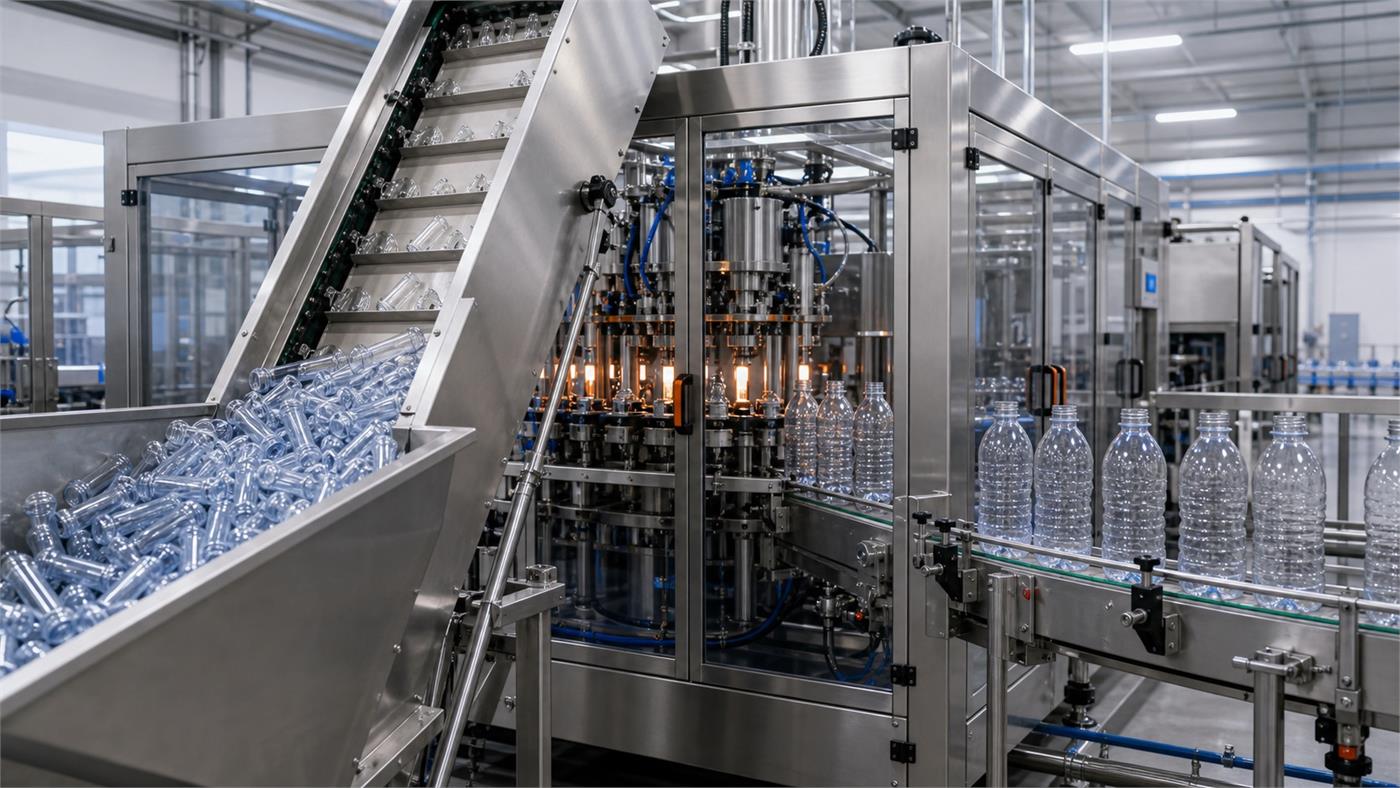
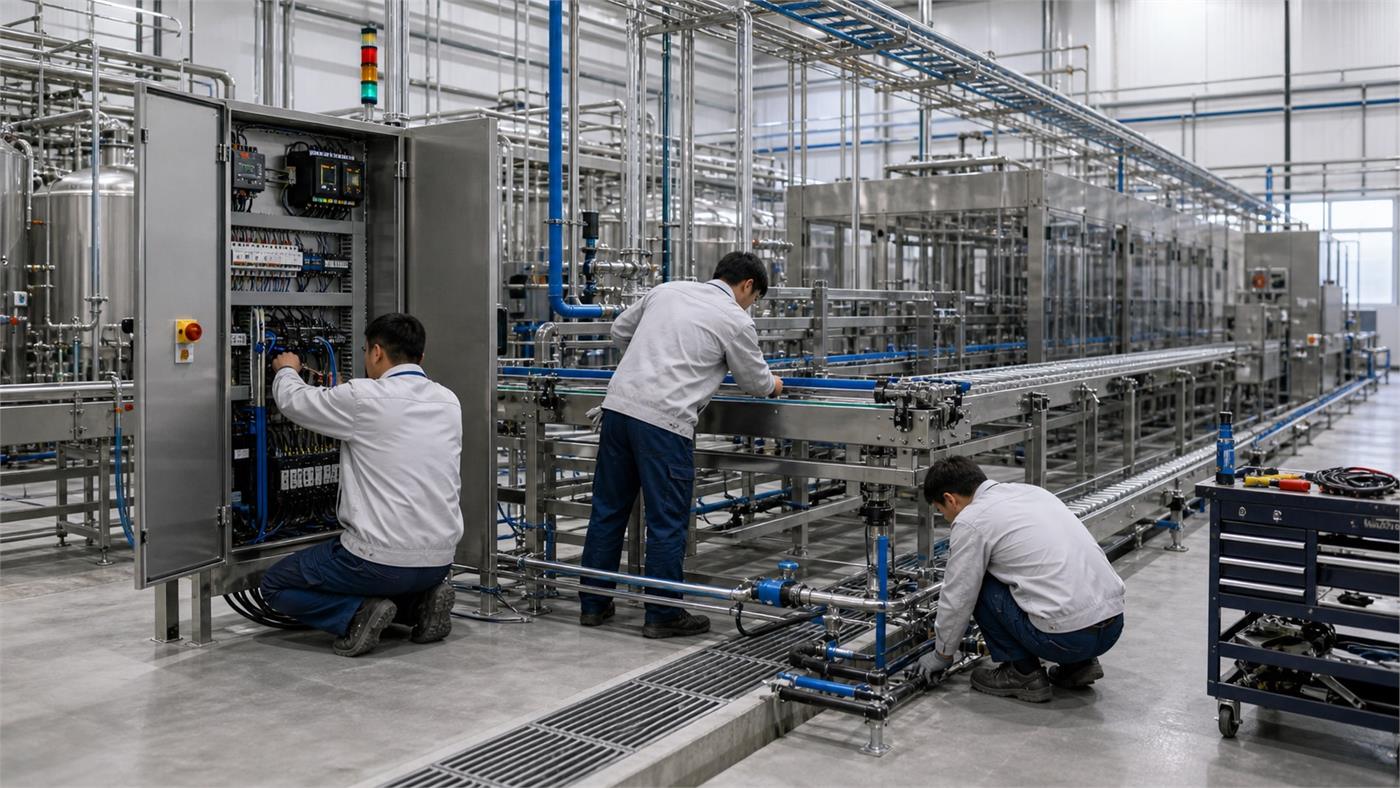
Compressed Air Must Match the Actual Blowing Duty
The blower supplier should provide the approved demand and quality basis. The compressor package then needs drying, filtration, storage, cooling, controls, access and a room plan suited to the site.
- Blower demand by bottle and speed
- Pressure and air-quality basis
- Dryer, filters, receiver and cooling
- Room, ventilation, drainage and redundancy
Build the Complete Air Scope
A compressor nameplate alone does not define delivered air at the blower. Include treatment, storage, losses, ambient conditions and operating strategy.
Demand profile
Use blower data for each bottle, mold and production condition.
Air treatment
Define drying, filtration, condensate handling and the delivered-air quality boundary.
Storage and distribution
Plan receivers, pressure drops, piping and connection points.
Reliability and room
Review duty strategy, maintenance access, heat rejection, ventilation and noise responsibility.
PET Blowing Compressor RFQ
Coordinate the blower and compressor suppliers using one written design basis.
| Decision | What to define | Evidence to request |
|---|---|---|
| Demand basis | State bottle, speed, blower model and operating profile. | Supplier demand table and approved margin basis. |
| Delivered conditions | Define pressure and quality at the blower connection. | Performance statement at stated ambient conditions. |
| Treatment train | List dryer, filters, drains and condensate route. | Flow diagram and maintenance plan. |
| Storage and piping | Define receivers, headers and pressure-drop responsibility. | Piping calculation and connection schedule. |
| Room services | Confirm cooling, ventilation, power, access and noise boundary. | Room layout and utility loads. |
Information to Send the Compressor Supplier
Use blower-specific information and real site conditions.
Blower data
Provide required pressure, flow and air quality for every operating format.
Production schedule
State shifts, simultaneous users, stops, expansion and maintenance expectations.
Site conditions
Share ambient temperature, altitude where relevant, room limits and cooling-water availability.
Distribution route
Map receiver and piping distances, elevations and connection points.
FAQ
Why does PET bottle blowing need compressed air?
Compressed air is used by the selected stretch blow-molding process to form heated preforms into approved bottle molds.
Can compressor size be selected from BPH alone?
No. The supplier needs the blower, bottle set, pressure, demand profile, ambient conditions and operating strategy.
Are air dryers and filters included?
They may be separate. The quotation should itemize drying, filtration, drains, receivers and delivered-air conditions.
Where should the compressor room be located?
Plan safe access, ventilation or cooling, drainage, power, piping distance, noise and maintenance movement with qualified site engineers.
Should redundancy be included?
It depends on production risk and maintenance strategy. Ask suppliers to explain duty, standby and service assumptions.
Request a Compressed-Air Scope Review
Share what you know now. The goal is to prepare a useful plant brief before a machine quotation is built.