Water bottling line planning
5000 BPH Water Bottling Line: Format Mix and Packing Capacity
A 5000 BPH water bottling line must be defined around a reference bottle and a complete production boundary. When the same plant makes several bottle sizes, calculate time for each format and check packing demand before treating 5000 BPH as the required capacity.
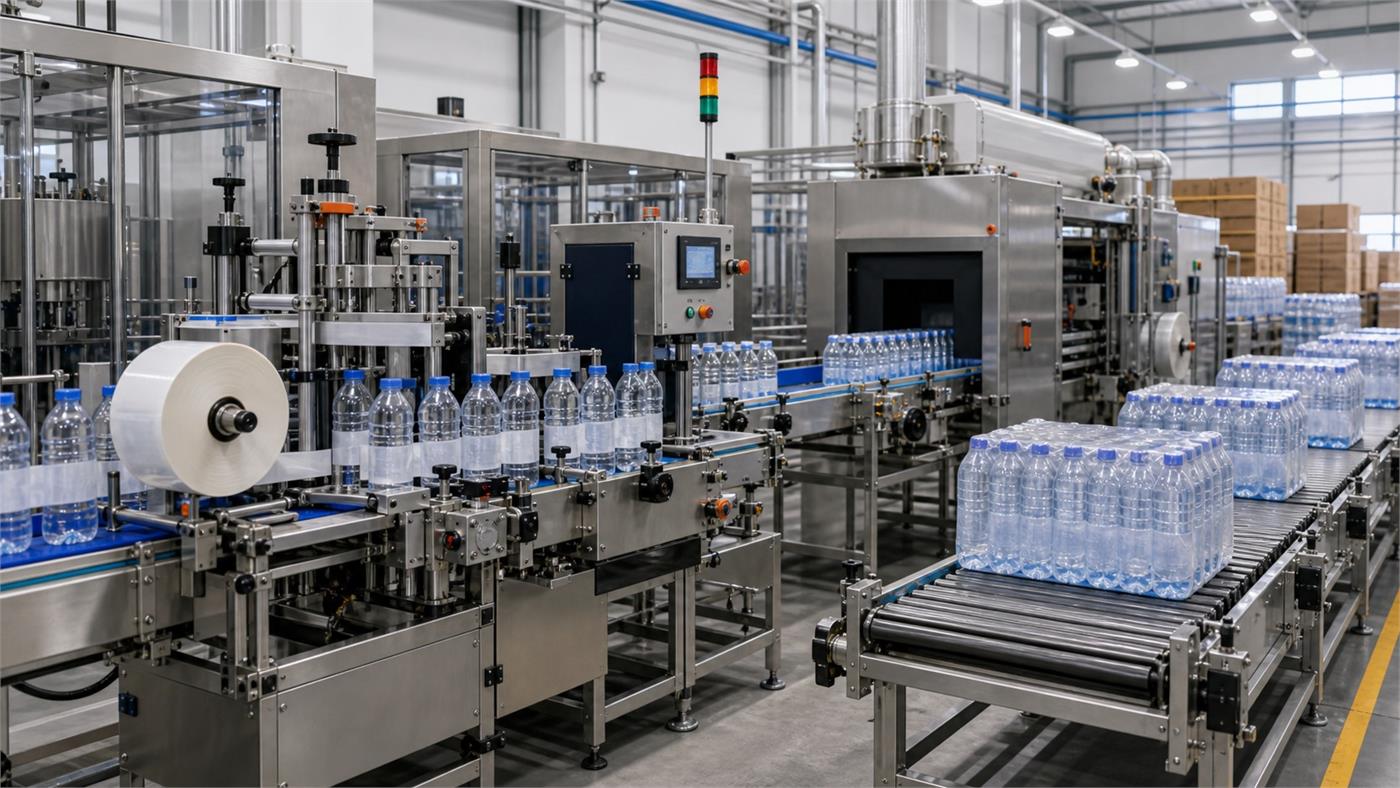
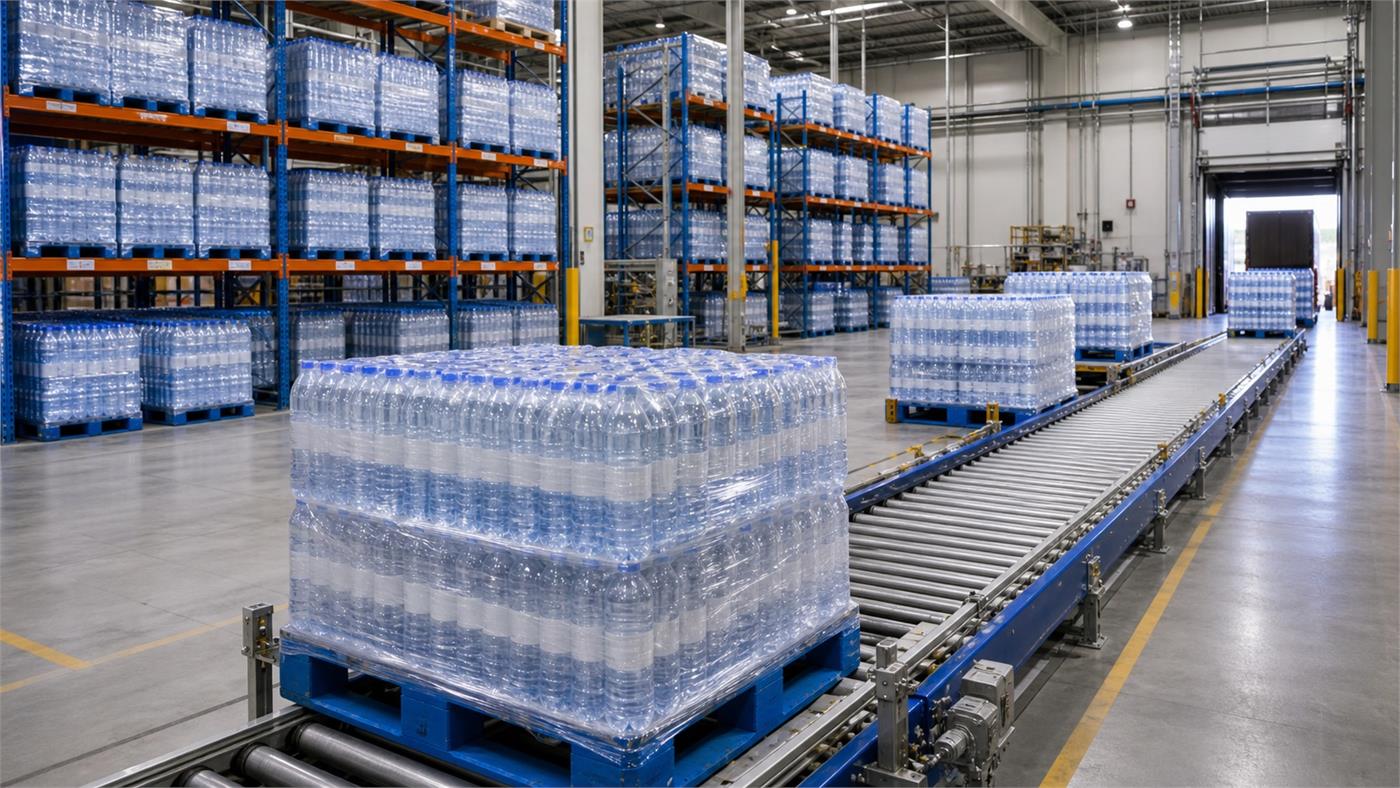
Balance the Format Schedule With the Packing Route
A filler rating is only one input. The usable schedule also depends on bottle supply, labeling, complete packs, changeovers, material replenishment and movement into the warehouse. Evaluate those tasks using the same approved formats.
Check Whether the Bottle Mix Fits the Shift
Do not assign a 500 ml reference speed to every bottle size. Ask for a format table showing the proposed coordinated line rate for each bottle, cap, label and pack combination. A larger bottle can have a different speed and a higher product-water demand.
Illustrative example, not an equipment specification: a plan needs 20,000 bottles of 500 ml and 6,000 bottles of 1.5 L. Assume coordinated reference rates of 5000 BPH and 3000 BPH respectively. Ideal format times are 4 hours and 2 hours. Applying a hypothetical 80% combined operating factor gives 6 ÷ 0.80 = 7.5 production hours.
If the schedule also reserves 30 minutes for a format change and 30 minutes for setup/cleaning, the total becomes 8.5 hours. That plan does not fit an eight-hour shift. Investigate the format sequence, losses, production window or equipment capability instead of averaging the two bottle sizes into one BPH figure.
Use either a reference rate with explicit loss assumptions or an already demonstrated good-output rate over the same time boundary. Applying another loss factor to a rate that already includes those losses understates capacity.
| Illustrative schedule item | Calculation | Time |
|---|---|---|
| 500 ml production | 20,000 bottles ÷ 5000 BPH | 4.0 ideal hours |
| 1.5 L production | 6,000 bottles ÷ assumed 3000 BPH | 2.0 ideal hours |
| Production window with assumed losses | (4 + 2) ÷ 0.80 | 7.5 hours |
| Changeover and setup/cleaning | 0.5 + 0.5, excluded from the 80% factor | 1.0 hour |
| Total shift requirement | 7.5 + 1.0 | 8.5 hours; exceeds an 8-hour shift |
Convert 5000 BPH Into the Actual Pack Rate
At a continuous 5000 BPH, 12-bottle packs require about 6.94 packs per minute. A 24-bottle pack requires about 3.47 packs per minute. A lower pack count per minute does not establish easier handling: pack dimensions, weight, film or carton process and discharge stability also change.
Ask the packer supplier to confirm the intended bottle arrangement, materials and sustained rate. Include replenishment, material joins, reject handling and recovery after a stop in the line review. A quoted maximum packs-per-minute value on another format is not evidence for your pack.
Define whether accepted output is counted as capped bottles, inspected bottles, complete wrapped packs or pallet loads. Use that same boundary in the proposal, operating example and acceptance test.
Build a Configuration Around the Launch Formats
For purchased bottles, review receiving, storage and bottle feeding. For in-house blowing, add format-specific blower capacity, preform handling, molds and the supplier-defined air and cooling package. Confirm the transfer into the filling section in either case.
List water preparation/storage, rinsing-filling-capping, cap feed, conveyors, labeling, coding, inspection tasks, packer and discharge handling. Separate essential launch functions from optional automation so that two quotations can be compared on the same scope.
Before approving the layout, show where operators replenish caps, labels and packing materials and where rejected product leaves the flow. A clear machine footprint without those operating routes is an incomplete plant layout.
Decide Between More Hours, Better Balance and More Capacity
A measured packing restriction may justify improving the packer or material supply. A schedule dominated by format changes may justify longer production campaigns, provided demand and storage support them. Sustained demand beyond the available schedule may justify a higher-capacity line.
Compare each alternative against the required good output, approved package, operating resources, installation impact and total project scope. Do not assume that a move from 5000 to 10000 BPH is a software setting on the existing machines.
Send the supplier your SKU quantities, required production days, format sequence, packing route, retained equipment and known site constraints. Request a line balance by SKU and identify the assumptions still awaiting evidence.
Buyer Questions
Can a 5000 BPH line run every bottle size at 5000 BPH?
Do not assume so. Obtain the proposed rate for each approved bottle, cap, label and pack. Use those rates to calculate the mixed-format schedule.
How many 12-bottle packs per minute equal 5000 BPH?
5000 ÷ 12 ÷ 60 is approximately 6.94 packs per minute during continuous running. Confirm the packer capability on the specified materials and arrangement.
When should a buyer consider 10000 BPH instead?
When the required accepted output cannot fit the feasible schedule after format changes, operating losses and line bottlenecks have been evaluated. Business stage alone is not a capacity calculation.
What should a 5000 BPH quotation state?
It should state reference formats, equipment and auxiliaries, supplier/buyer responsibilities, per-format output, utility assumptions and the agreed acceptance boundary.
What Must Be Balanced Around a 5000BPH Water Bottling Line?
A 5000BPH project sits between a basic startup arrangement and a more automated regional line. The correct scope depends on the bottle mix, operating schedule, labor model, packing route and the slowest process in the complete production flow.
Equipment references for this planning stage
These authentic brochure images help buyers identify the machine categories that may sit inside a complete water bottling line. They are not customer-case evidence and do not fix the final model, output, process, utility load or supplier boundary.
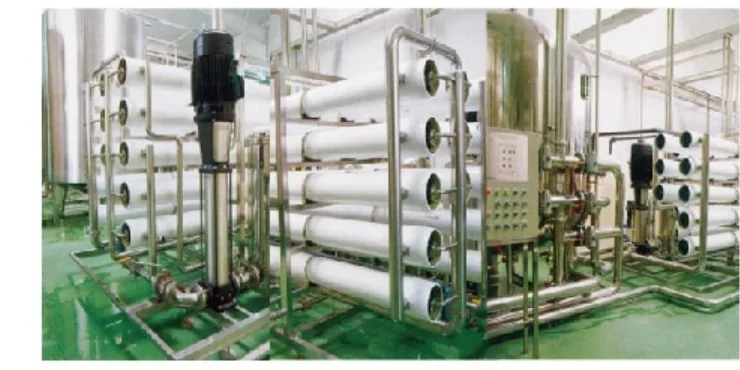
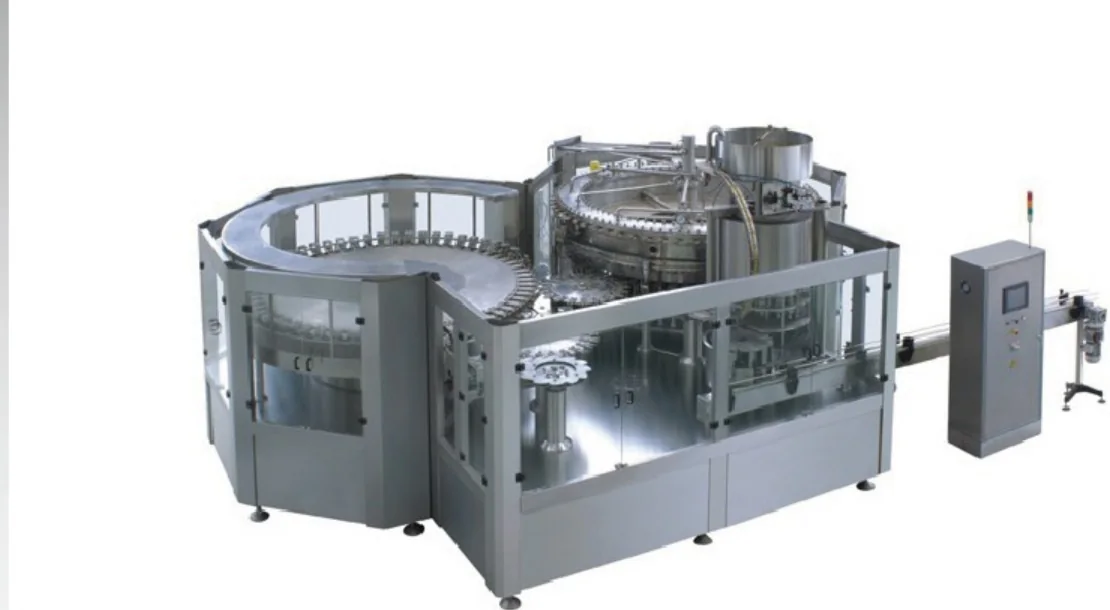
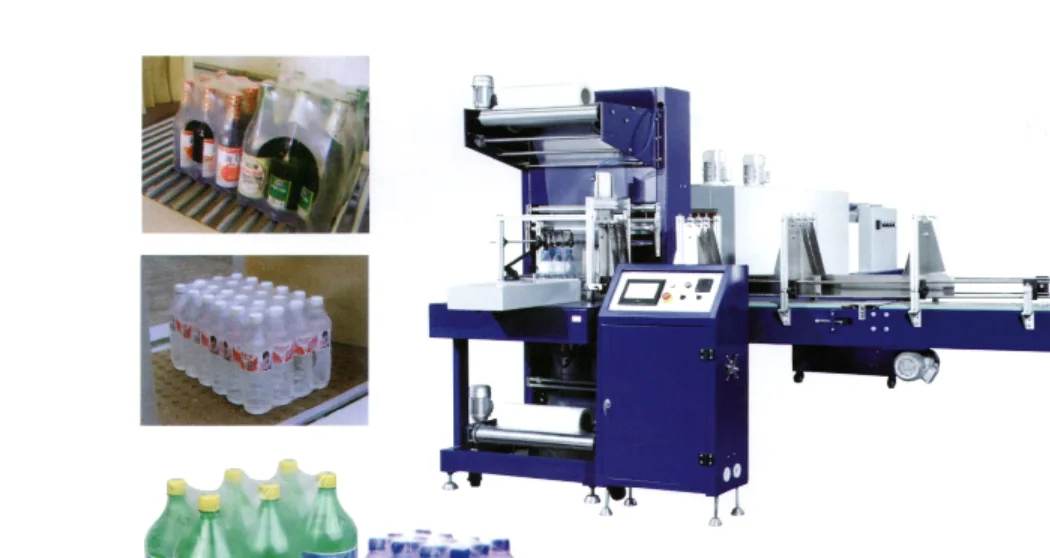
Quotation check: ask the supplier to mark each proposed item as included, optional, buyer supplied or excluded, then connect every item to the preliminary layout and utility schedule.
Questions to answer before requesting price
- What is the monthly sales target by bottle and pack format?
- Which machine becomes the bottleneck for the reference SKU?
- How will finished packs be handled and stored?
- What expansion or second-shift scenario should the layout protect?
- Which buyer-side utilities and labor remain outside the line price?
- How will two supplier quotations be normalized before selection?
Buyer-decision content prepared for project clarification. Updated: .
Plan This 5000BPH Capacity
Share what you know now. The goal is to prepare a useful plant brief before a machine quotation is built.