Automation planning guide
Automatic Water Bottling Line: Choose the Right Automation Level
Plan an automatic water bottling line around material flow, machine interfaces, controls, accumulation, inspection, changeover, staffing and maintenance capability instead of buying automation by label alone.
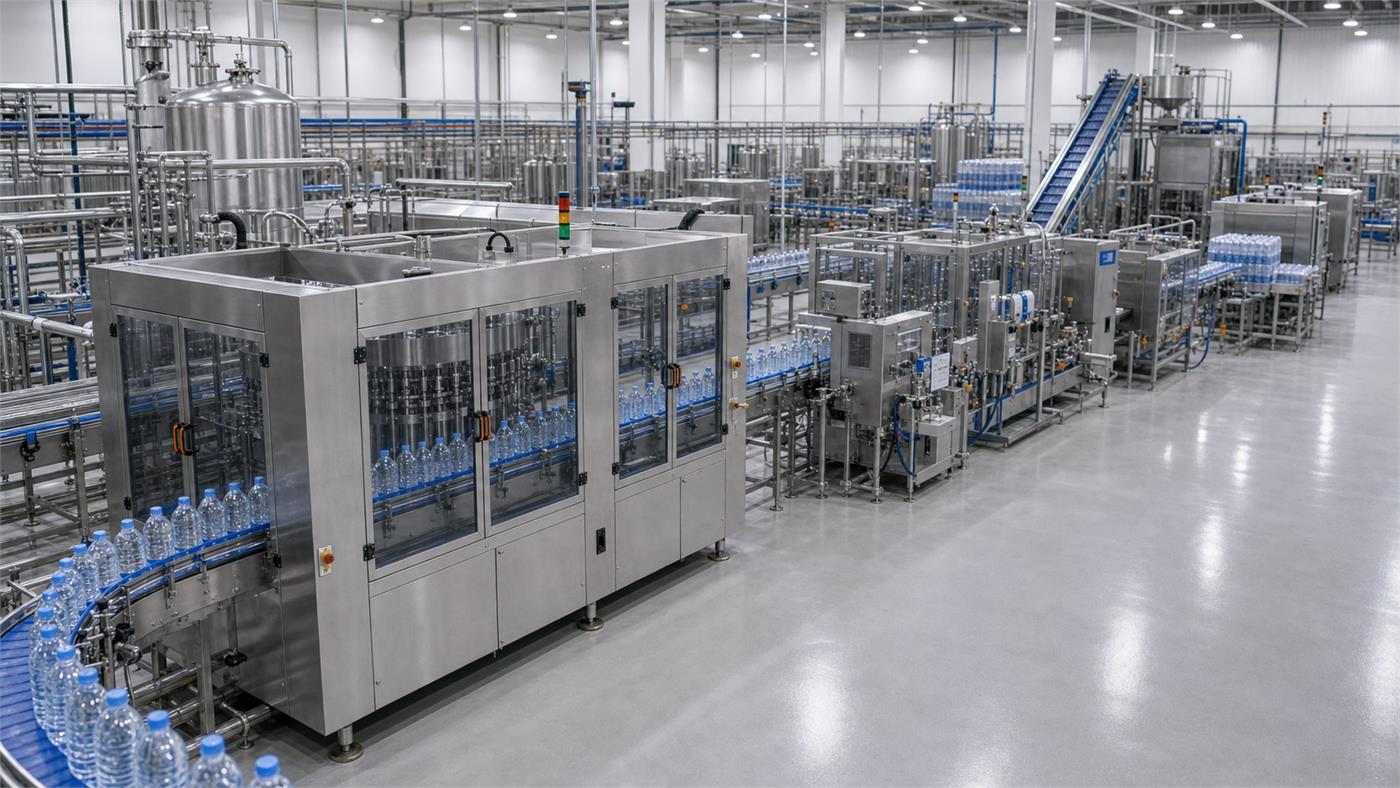
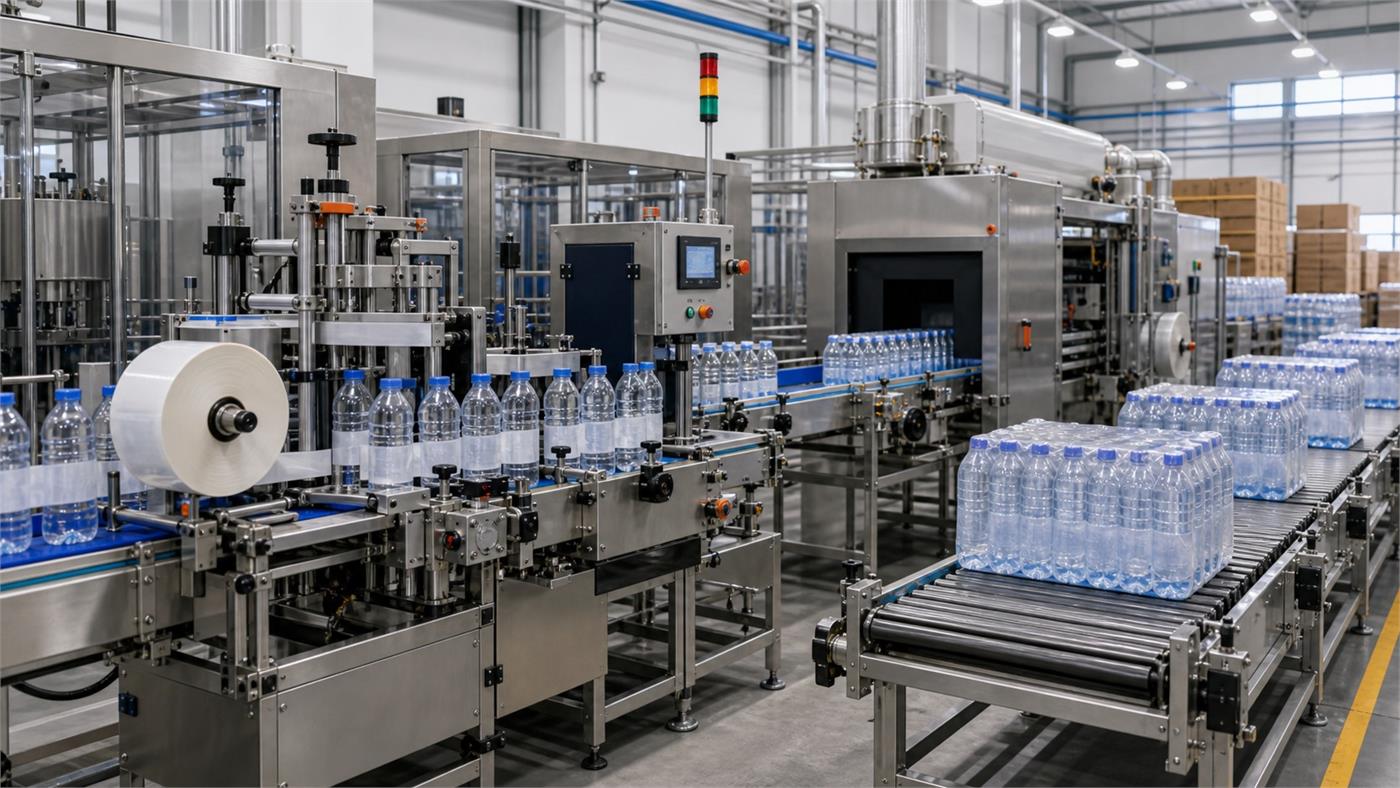
Automatic Means Coordinated Flow, Not Just Automatic Machines
A line can contain several automatic machines and still depend on manual bottle transfer, cap loading, pack handling or alarm recovery. The buyer should map the complete material and information flow before approving the automation level.
- Machine-to-machine control signals
- Stable bottle and pack transfer
- Named manual intervention points
- Documented stop and recovery logic
What an Automatic Water Bottling Line Actually Includes
The word automatic should describe specific production tasks and control responsibilities. Ask the supplier to mark each task automatic, operator-assisted, manual or buyer-supplied.
Bottle or preform input
Purchased bottles may need automatic unscrambling and feeding. In-house blowing may add preform loading, heating, molds, air systems and a controlled bottle transfer.
Rinsing, filling and capping
The filling center coordinates bottle presence, rinse sequence, product filling, cap supply, capping, guarding and discharge for the approved product and container.
Labeling and coding
Bottle spacing, drying where required, label application, code printing, inspection access and rejected-container handling should be connected to line speed.
Secondary packing
Automatic grouping, film or carton handling, sealing, discharge and pack conveying depend on the approved pack pattern and material quality.
Conveyors and accumulation
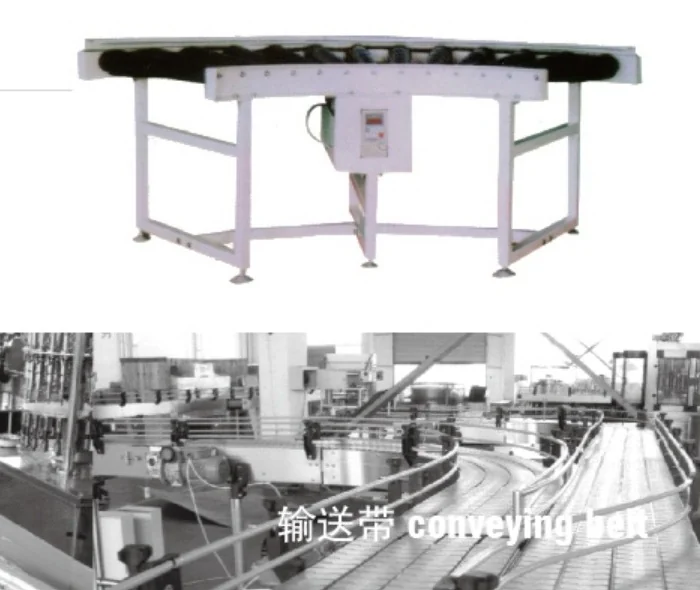
Bottle and pack conveyors connect different machine cycles. Sensors, buffers and stop logic should prevent one short interruption from repeatedly stopping every station.
Controls and operator interface
A useful control system shows line state, alarms and permitted actions while preserving machine safety, access control, backups and clear ownership of each interface.
Inspection and quality checks
Automatic checks may support bottle, cap, label, code or pack control, but the buyer must still define rejection, verification and record responsibilities.
Pallet and warehouse handoff
Palletizing or pack handling can be automated where volume and factory flow justify it. Manual startup handling should still be shown honestly in the layout.
Compare Automation by Operating Task, Not Marketing Label
There is no universal boundary between semi-automatic, automatic and fully automatic. Use a task-level comparison and require the supplier to describe the actual proposed line.
| Planning level | Typical operating pattern | Buyer advantage | Main review point |
|---|---|---|---|
| Operator-assisted line | Operators may load bottles or caps, transfer containers, apply some packaging steps or remove finished packs between automatic machines. | Lower initial complexity can fit a controlled startup when labor and supervision are available. | Manual handling rate, hygiene boundary, ergonomics, work-in-process and future conveyor interfaces. |
| Integrated automatic line | Automatic feeding, filling, capping, labeling, packing and conveyors are coordinated with sensors, interlocks and operator controls. | Fewer manual transfers and clearer balanced-line operation when materials and utilities are stable. | Interface ownership, accumulation, alarm recovery, changeover, maintenance skills and spare-parts readiness. |
| Higher-automation plant | The project may add automatic inspection, recipe management, pallet handling, production reporting, remote assistance or stronger warehouse integration. | Useful where output, traceability, labor conditions and operating discipline justify the additional systems. | Data ownership, network security, local technical capability, system backups and the consequence of a complex-line stop. |
Interfaces That Decide Whether the Automatic Line Works as One System
Most integration problems occur between machines. Put every transfer, signal and responsibility into the technical review before manufacturing.
| Interface | What should be defined | Acceptance evidence | Risk if unclear |
|---|---|---|---|
| Water treatment to filler | Treated-water condition, tank logic, pressure, flow, piping boundary, cleaning and low-level response. | Approved process interface, connection schedule and functional test. | The filler may wait for water or receive unstable conditions. |
| Bottle supply to filling | Bottle orientation, transfer height, speed request, bottle backup, blocked conveyor and rejected-bottle handling. | Approved bottle trials and coordinated start, stop and recovery test. | Bottle jams or deformation can repeatedly interrupt filling. |
| Cap supply to capper | Cap elevator or loader, sorter, chute level, cap-low alarm, rejected caps and replenishment task. | Approved cap samples and cap-feed interruption test. | The filling center can stop even when bottles and water are available. |
| Filler to labeler | Discharge spacing, bottle drying where needed, conveyor speed, accumulation and reject access. | Stable transfer with approved bottles at the agreed run basis. | Wet or unstable bottles can affect label application and flow. |
| Labeler to packer | Bottle grouping, code inspection, rejection, accumulation, pack pattern and short-stop logic. | Approved labels, codes and packs through coordinated production trials. | Packing interruptions may propagate upstream without a controlled buffer. |
| Packer to warehouse | Pack discharge, conveyors, pallet preparation, manual handling and finished-goods route. | Confirmed pack stability and safe handoff under the proposed workflow. | The line may produce packs faster than the warehouse can remove them. |
| Machine control signals | Ready, run, speed, starved, blocked, stop, fault, emergency and reset responsibilities. | Signal matrix plus witnessed interlock and recovery tests. | Machines may stop together without showing the initiating cause. |
| Safety and access | Guarding, emergency zones, safe isolation, access doors, restart conditions and local responsibilities. | Approved safety review and recorded functional checks by qualified parties. | Unsafe or confusing restart behavior can reach the operating team. |
Plan Stops, Recovery and Bottlenecks Before Chasing Nameplate Speed
A useful automatic line plan explains how the plant behaves during normal interruptions. Avoid unsupported efficiency promises; require supplier-specific assumptions and test evidence.
Starved machine
A machine is starved when the upstream system cannot supply enough bottles, caps, product or packs. The control should identify the missing input and support orderly recovery.
Blocked machine
A machine is blocked when downstream equipment or conveyors cannot accept output. Accumulation and coordinated speed control can reduce the effect of short interruptions.
Micro-stops
Small repeated stops may come from bottle quality, caps, labels, film, sensors or transfers. The project should make causes visible rather than treating every event as an operator problem.
Bottleneck ownership
The slowest stable process under the approved product and pack basis limits the line. Compare the balanced system instead of adding individual machine nameplate values.
Alarm recovery
Operators need a clear first action, safe reset condition and escalation route. Alarm lists should distinguish symptoms from the initiating fault where possible.
Production evidence
Track agreed counts, stops, rejects and open items during FAT, SAT and startup without presenting a generic website benchmark as a guaranteed result.
Automatic Production Still Needs a Controlled Changeover System
Multiple bottles, caps, labels and pack formats can add commercial flexibility, but every format increases setup, storage, verification and training requirements.
| Changeover area | Information to approve | Automatic or assisted task | Buyer control |
|---|---|---|---|
| Bottle format | Drawing, neck finish, dimensions, weight, label panel and approved sample. | Recipe selection, guide adjustment or physical change parts according to the offered machine. | Keep approved samples and identify every part by format. |
| Cap format | Cap drawing, material, thread, tamper feature and sample. | Sorter, chute, capper adjustment and any change parts. | Prevent mixed caps and verify application after changeover. |
| Label and code | Label type, dimensions, artwork position, code content and inspection point. | Recipe, sensor, roll or magazine setup, print data and physical adjustments. | Authorize artwork and code data before production release. |
| Pack configuration | Bottle count, arrangement, film, tray or carton and pallet route. | Grouping recipe, guides, sealing settings and material replenishment. | Confirm pack stability and distribution requirement. |
| Machine recipe | Approved speeds, delays, sensor settings and permitted parameters. | HMI recipe recall where included, with controlled access and backups. | Use revision control and verify the selected format before startup. |
| Release checks | First-off bottle, cap, fill, label, code and pack checks. | Automatic inspection where specified plus operator quality approval. | Record acceptance before releasing normal production. |
Automation Changes the Work; It Does Not Remove the Operating Team
Plan the roles required to keep the line supplied, verified, clean, safe and maintainable. The correct staffing model depends on the actual equipment and local organization.
| Role or workstream | Typical responsibility | Preparation before startup |
|---|---|---|
| Line operator | Monitor flow, replenish approved materials, respond to allowed alarms and complete routine checks. | Role-based operating procedure and supervised production practice. |
| Quality role | Verify water, containers, closures, labels, codes and finished packs using the plant quality plan. | Sampling points, methods, records and escalation route. |
| Changeover team | Prepare parts and materials, execute the approved sequence and release the first acceptable output. | Format register, tools, part storage and verification checklist. |
| Maintenance technician | Inspect, lubricate, adjust, troubleshoot and replace approved parts under safe isolation. | Manuals, drawings, training, tools, backups and startup spares. |
| Material and warehouse team | Supply preforms or bottles, caps, labels and packing materials and remove finished goods. | Material routes, replenishment signals, storage and pallet movement plan. |
| Automation support | Protect program and parameter backups, diagnose cross-machine signals and coordinate supplier escalation. | Access policy, network boundary, backup records and named support contact. |
Documents to Request With an Automatic Line Proposal
The more connected the line becomes, the more important controlled documentation and cross-machine testing become.
Automation responsibility matrix
Identify who supplies and integrates each machine, conveyor, signal, network connection, safety interface and site service.
Functional description
Describe normal production, startup, shutdown, starvation, blocking, alarm response, reset and permitted operating modes.
Signal and interface list
Record the signals and physical boundaries between treatment, blowing, filling, labeling, packing and warehouse systems.
Control and network architecture
Show machine controls, line supervision where included, remote-support boundary, user access and buyer-supplied infrastructure.
Backup and recovery method
Explain how approved programs, recipes and parameters are backed up, protected, restored and linked to machine revisions.
FAT and SAT protocol
Test automatic sequences, interlocks, approved materials, line transfers, alarms, recovery, documents and unresolved items.
Training matrix
Separate operator, quality, changeover, maintenance and automation-support training with named topics and evidence.
Lifecycle support route
Confirm spare parts, remote assistance, on-site service terms, upgrade method and the information needed for technical escalation.
Connect Each Automation Choice to a Production Task
After choosing candidate capacity, ask which operating task each proposed automatic function performs and which duties remain with the plant team. Use the launch format and pack when reviewing the claim.
Record the required result, supplier evidence and remaining manual work in the same scope table. Evaluate material replenishment and recovery as well as continuous running so that the proposal matches the planned shift.
| Operating task | Evidence to request | Remaining duty to record |
|---|---|---|
| Bottle and cap supply | Demonstration with approved materials and replenishment method | Receiving, replenishment, rejected materials and shortage response |
| Labeling and coding | Placement/legibility checks and format-change procedure | Material replacement, code setup and verification |
| Packing | Complete packs per minute on the specified arrangement | Material loading, reject handling and replenishment |
| Stops and recovery | Agreed interruption test with line controls and buffers | Alarm response, safe recovery and event records |
| Finished-product handoff | Pack/pallet transfer and warehouse receiving plan | Storage movement, reconciliation and dispatch duties |
FAQ
What makes a water bottling line automatic?
An automatic water bottling line connects machine cycles, conveyors, sensors, interlocks and operator controls so bottles and packs move through agreed production steps with limited manual transfer. The proposal should state which tasks remain manual rather than relying on the word automatic.
What is the difference between a semi-automatic and fully automatic water bottling line?
A semi-automatic line uses more operator loading, transfer, packing or control actions. A higher-automation line connects more of those tasks through feeding, conveyors, coordinated controls, inspection and packing. The real boundary must be itemized by station.
Which parts of a water bottling line can be automated?
Potential areas include preform or bottle feeding, blowing, rinsing, filling, capping, cap supply, conveying, labeling, coding, inspection, pack forming, pallet handling, recipe control and production data. Not every project needs every option at launch.
Does a fully automatic water bottling line need no operators?
No. Operators are still needed for material replenishment, quality checks, cleaning, changeover, alarm response, maintenance, records, warehouse work and supervision. Automation changes the tasks and skill mix; it does not remove operating responsibility.
How should the automation level be selected?
Compare target output, bottle and pack range, shift plan, labor capability, material quality, factory flow, maintenance skills, utility stability, growth plan and the cost of a stopped line. Choose automation that the plant can support reliably.
Are PLC and HMI controls enough to make a complete line integrated?
Not by themselves. Integration also requires agreed machine signals, stop logic, speed coordination, accumulation, safety interlocks, alarm ownership, recipe handling, network boundaries, documentation and one party responsible for cross-machine testing.
Why are conveyors and accumulation important in an automatic line?
Conveyors connect machines with different operating patterns. Appropriate accumulation can isolate short stops and protect bottle flow, while poor transfer design can cause repeated line stoppages. The supplier should show the control and recovery logic.
How should bottle-size and pack-format changeovers be planned?
List every launch format, required change parts, recipe settings, adjustment points, tools, storage, verification checks and operator tasks. Future formats should remain an engineering review rather than an unsupported compatibility promise.
What automation documents should a supplier provide?
Request the control architecture, machine interface list, signal matrix, alarm and interlock description, electrical drawings, network and remote-access boundary, backup procedure, parameter records, manuals, training plan and FAT or SAT test method.
Should a startup plant buy a fully automatic water bottling line?
Only when demand, utilities, packaging materials, maintenance capability, factory flow and financing support it. A well-planned assisted or modular line can be more practical at launch if the layout and interfaces preserve a clear upgrade path.
What Makes a Water Bottling Line Truly Automatic?
Automatic describes how materials, machines and controls keep production moving with limited routine intervention. It does not mean zero operators or zero manual work. The right level depends on output, format range, replenishment, packing, pallet flow, maintenance capability and the cost of interruptions.
Equipment references for this planning stage
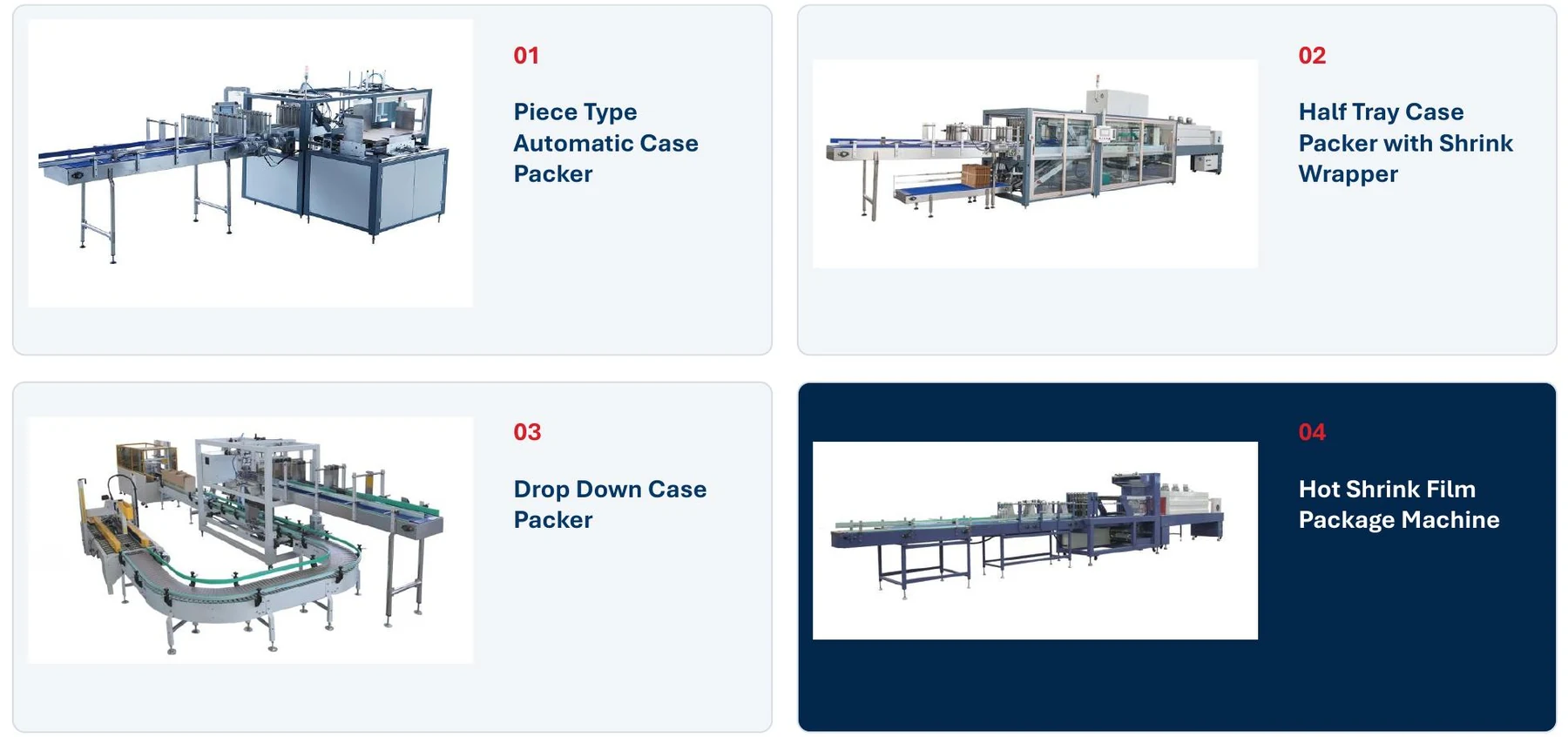
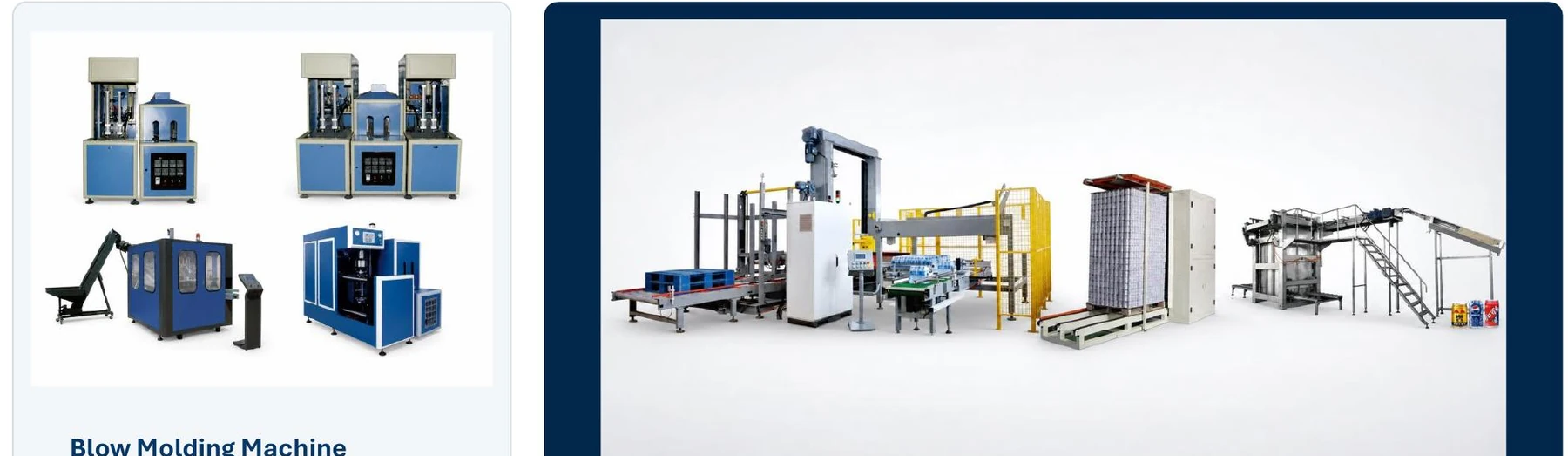
These authentic brochure images help buyers identify the machine categories that may sit inside a complete water bottling line. They are not customer-case evidence and do not fix the final model, output, process, utility load or supplier boundary.
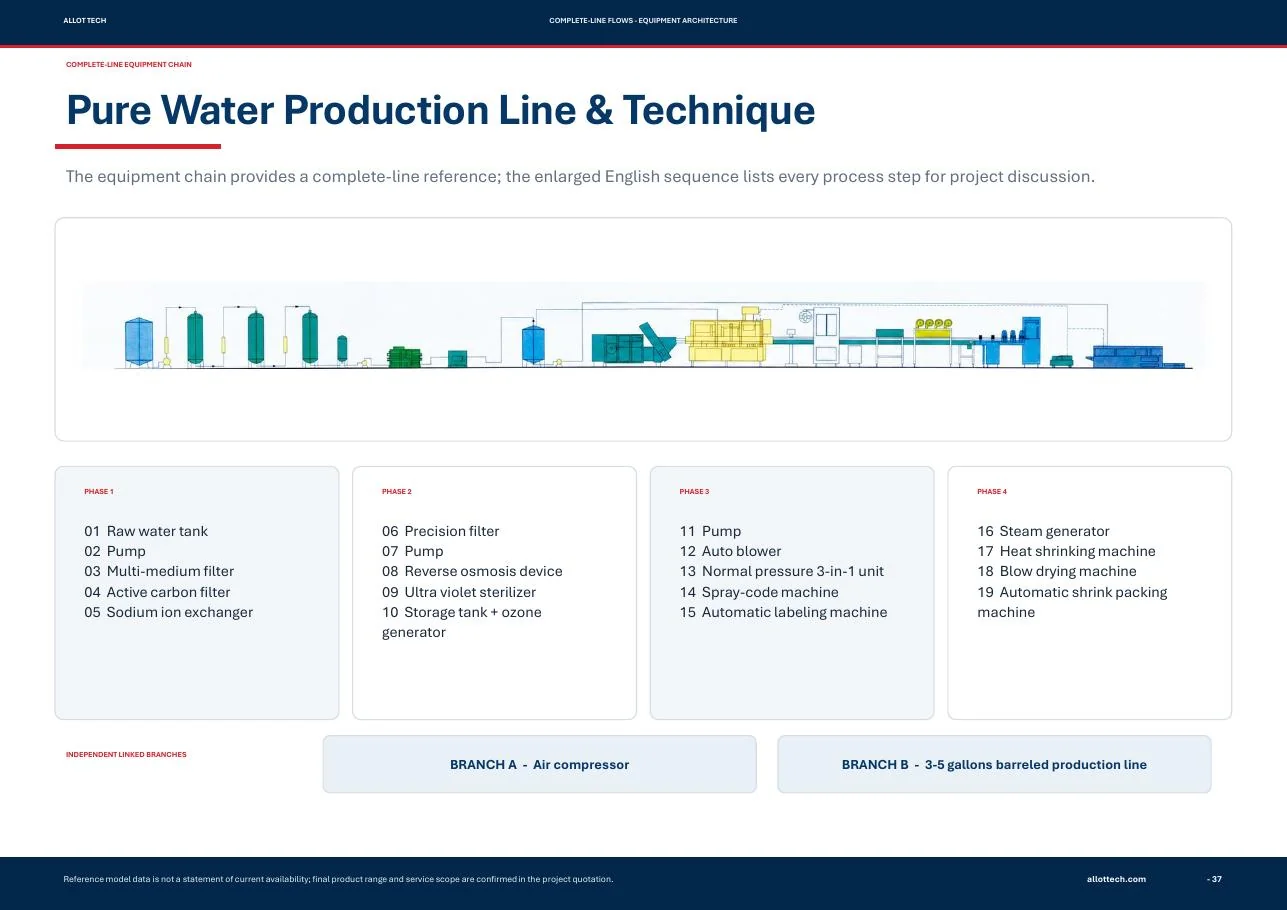
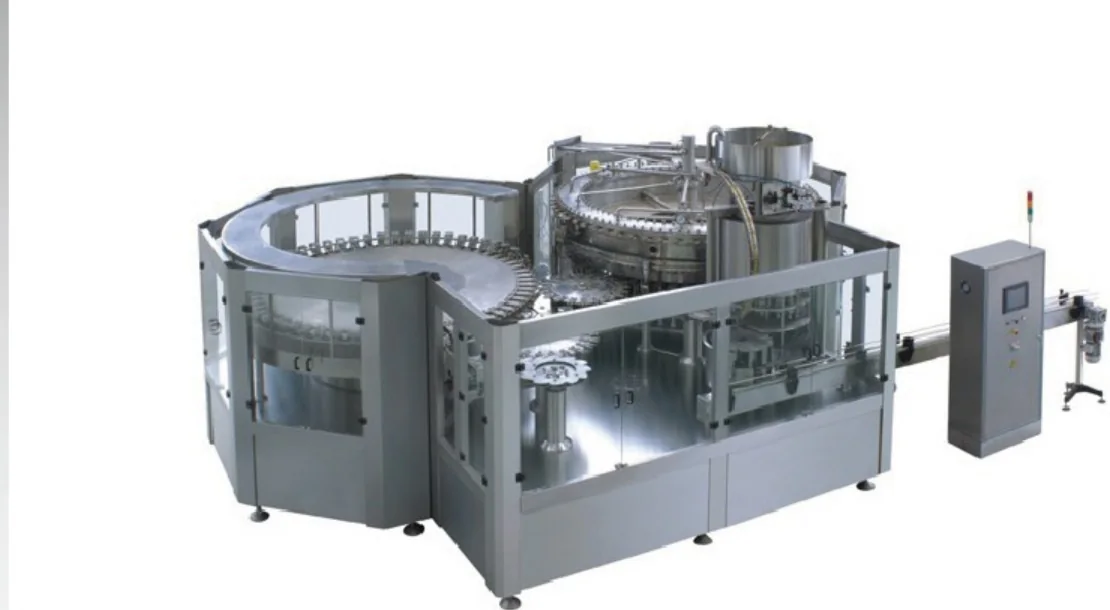
Quotation check: ask the supplier to mark each proposed item as included, optional, buyer supplied or excluded, then connect every item to the preliminary layout and utility schedule.
Questions to answer before requesting price
- Which tasks still require an operator during normal production?
- How does the complete line recover from blocked, starved and quality faults?
- Which formats and changeovers are included in the automation scope?
- Can the local team maintain the selected controls and handling systems?
Buyer-decision content prepared for project clarification. Updated: .
Request an Automation Level Review
Share what you know now. The goal is to prepare a useful plant brief before a machine quotation is built.