cost solution planning
Water Bottling Line Price: What Is Included in the Quote?
A water bottling line price covers the equipment and services named in the offer. Before comparing totals, fix the bottle, pack, required output and delivery boundary. A filler price, a bottle-to-pack line and a preform-to-pallet project describe different purchases.
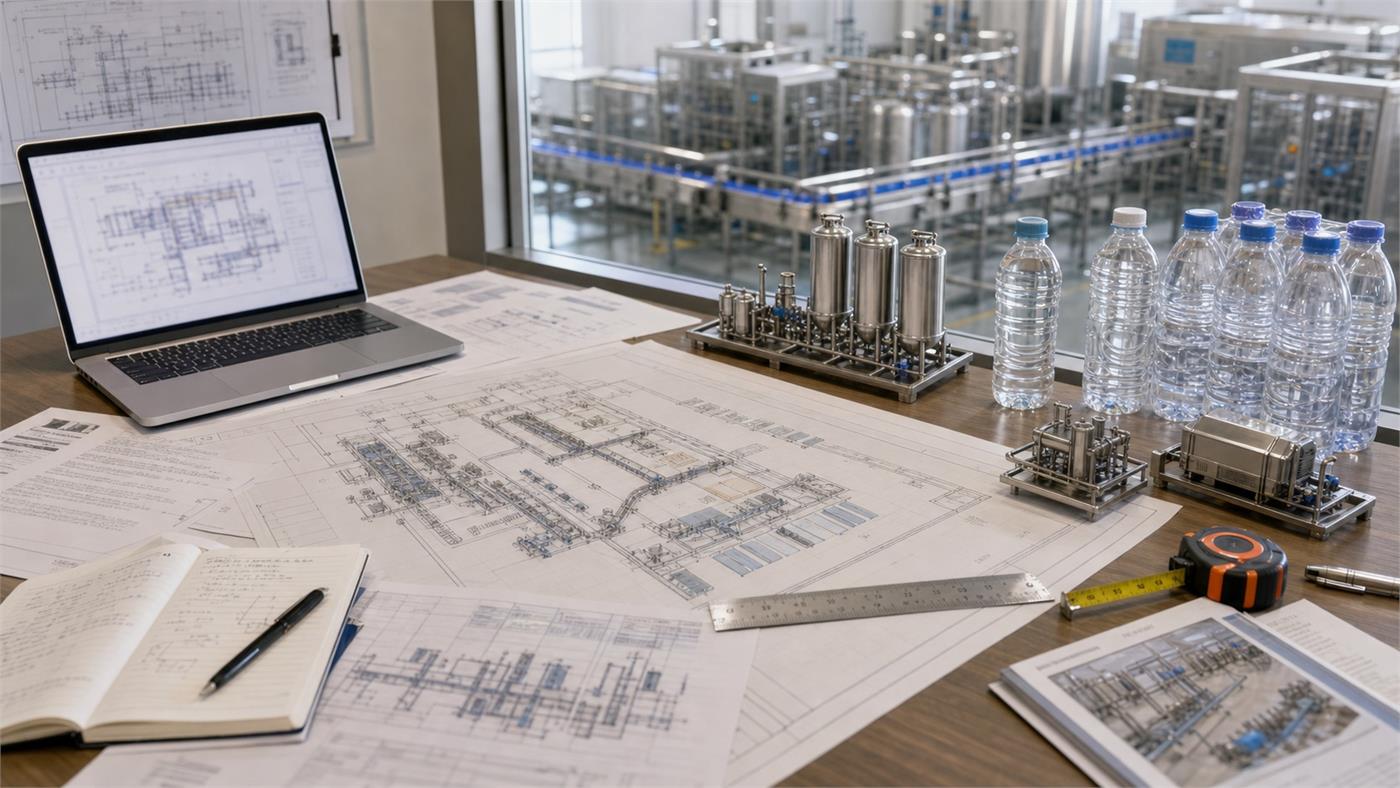
Start With the Supply Boundary
For purchased PET bottles, the equipment offer may start at bottle feeding. For in-house bottle production, it also needs preform handling, blowing, molds and the specified auxiliaries. A turnkey project can include additional engineering and startup services. Ask for an inclusion list for the selected route; the word complete does not identify its beginning or end.
Build a Comparable Price in Five Steps
Identify the reference bottle, neck finish, cap, label and finished pack. Ask each bidder to state output for that exact combination, with the same quality and test-time basis.
Mark every equipment function included, priced option, buyer supplied or excluded. Assign an owner to conveyors, cap feeding, coding, inspection, guards, controls and machine-to-machine connections.
Add the auxiliary package the chosen route requires. Check whether quoted air, cooling, tanks and transfer pumps are already in another line item before adding them again.
Obtain named costs for delivery, unloading, site connections and startup attendance. Keep any unresolved amount visible as unpriced. Do not silently assign zero to it.
Compare the normalized equipment-and-startup subtotal. Keep building investment and working capital in the separate plant budget, then model recurring production costs over a stated period.
How do you reconcile missing scope before comparing line prices?
Use one dated bottle, pack and output basis for both offers. Give each difference a line reference, evidence request and owner. An unresolved cost remains unpriced; it does not become zero because the supplier left the cell blank.
| Difference | Record to obtain | Comparison treatment |
|---|---|---|
| Required item omitted | Written scope and a separate quotation | Keep the subtotal incomplete until priced. |
| Auxiliary listed twice | Package contents and equipment identifiers | Count the same supplied item once. |
| Work assigned to the buyer | Deliverable, responsible party and written allowance | Show buyer spending beside the supply subtotal. |
Worked Example: An Apparent Saving Can Reverse
Illustrative arithmetic only, using arbitrary cost units rather than market prices: offer A lists 100 units for machines. An omitted auxiliary package adds 12, required conveyors add 8 and startup service adds 6, making the comparable scope 126 units.
Offer B lists 118 units and includes those same items on the same specification. Its comparable subtotal remains 118. Offer A looked 18 units lower at first; after matching the scope, it is 8 units higher. Freight and site work still need comparison for both offers.
The conclusion can reverse again if the bottles, controls, test conditions or services differ. Keep document references beside each addition so the comparison is auditable. A price advantage is meaningful only after those differences have been resolved.
Request Options That Answer a Real Decision
Ask for a purchased-bottle base offer and a separately priced blowing option if bottle supply is still undecided. Request the complete blowing package, including molds, air treatment and cooling interfaces, rather than the blower alone.
For packing, compare one approved film-pack route with a clearly defined carton option. Record the pack counts, material replenishment tasks and accepted pack output behind both prices. Avoid an option list whose capacities use different test formats.
What to Send for a Useful Quotation
Send the destination, target product, water-source analysis if available, bottle and cap drawings, launch and future formats, daily demand, shift plan, pack pattern and preliminary building plan. State whether utilities and existing machines can be retained.
Ask the supplier to return an equipment list, marked layout, utility schedule, exclusions and a performance test basis. Those documents make the next price discussion specific enough to resolve missing scope.
When should the price comparison be reopened?
A changed bottle, pack, retained machine or delivery boundary can invalidate the old comparison. Ask both bidders to answer the revised scope, keep the previous version and record what changed. Separate the line subtotal from building investment and working capital in the plant budget; do not add an already included service again.
Frequently Asked Questions
Is there one price for a 5000BPH water bottling line?
No. A 5000BPH reference does not define bottle supply, treatment, pack type, auxiliaries, site work or startup services. Ask for a quotation tied to those items and the bottle used for the speed rating.
What is the difference between line price and plant cost?
Line price refers to the ordered supply boundary. Plant cost also includes the building, buyer-side utilities, local setup, initial materials and working capital needed to operate. Keep the categories separate to avoid double counting.
Should an unquoted item count as zero?
No. Mark it unpriced, name the party responsible and obtain a quotation or a documented buyer allowance before comparing totals.
What Does a Water Bottling Line Price Actually Cover?
There is no responsible universal price for every water bottling line. A comparable quotation must connect one approved bottle and pack to a stated output basis, complete equipment boundary, utility condition, delivery term, project service scope and acceptance method. Use the categories below to find why two totals differ before treating either as expensive or cheap.
Equipment references for this planning stage
These authentic brochure images help buyers identify the machine categories that may sit inside a complete water bottling line. They are not customer-case evidence and do not fix the final model, output, process, utility load or supplier boundary.
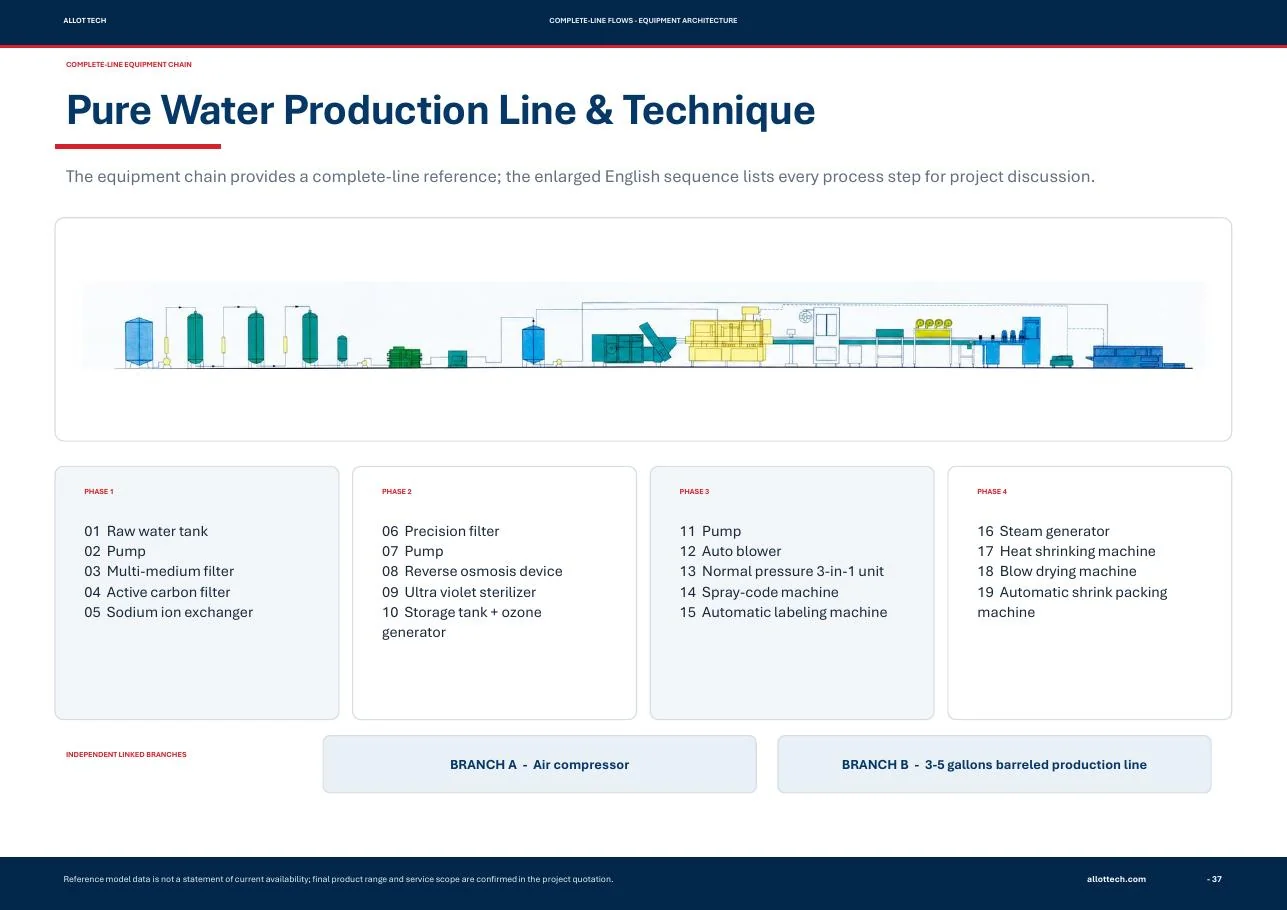
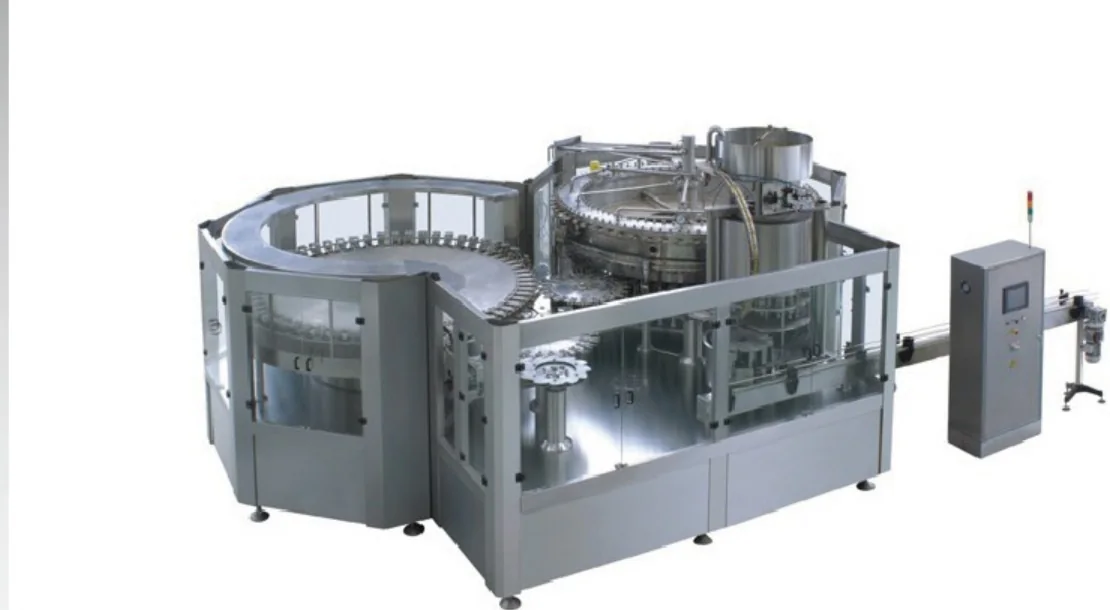
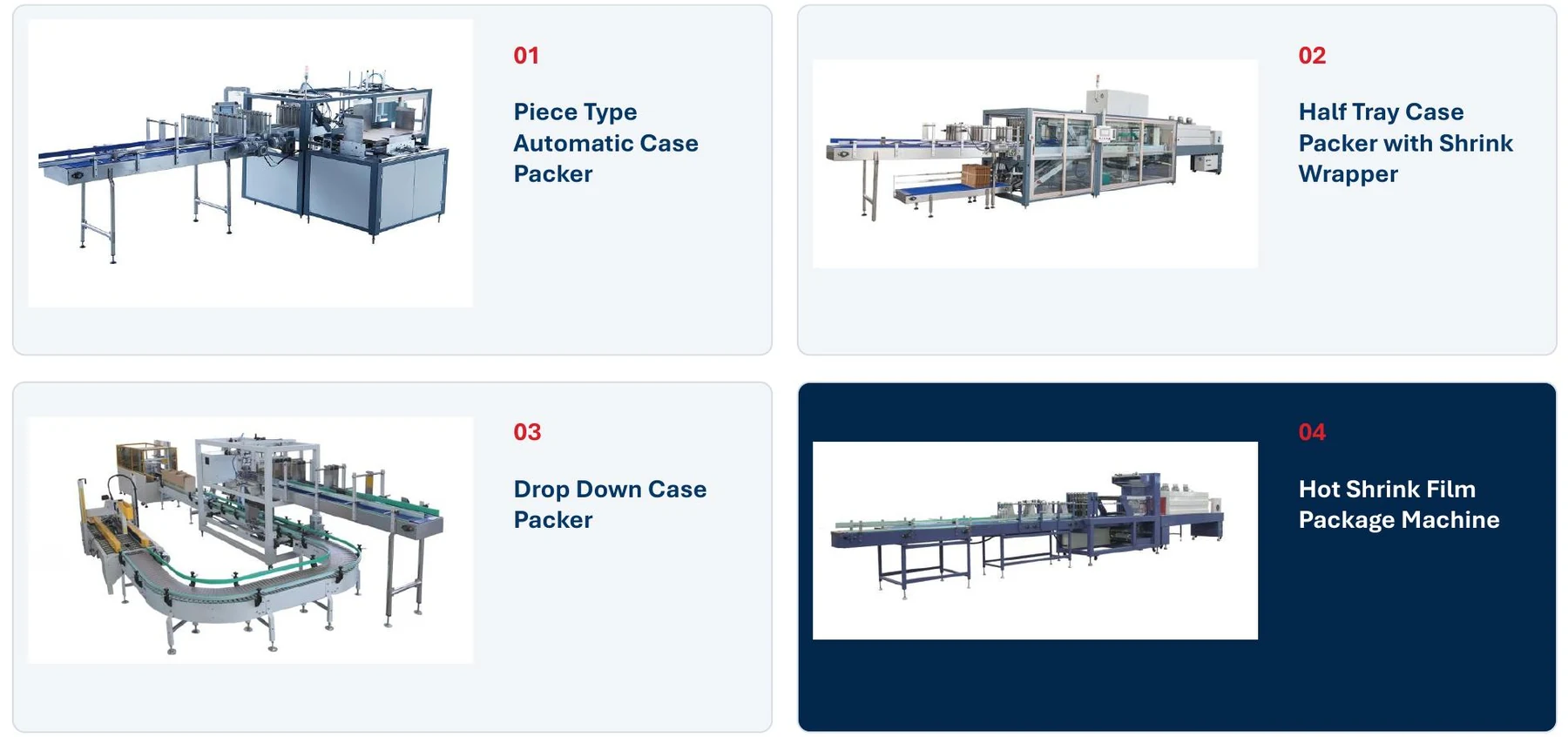
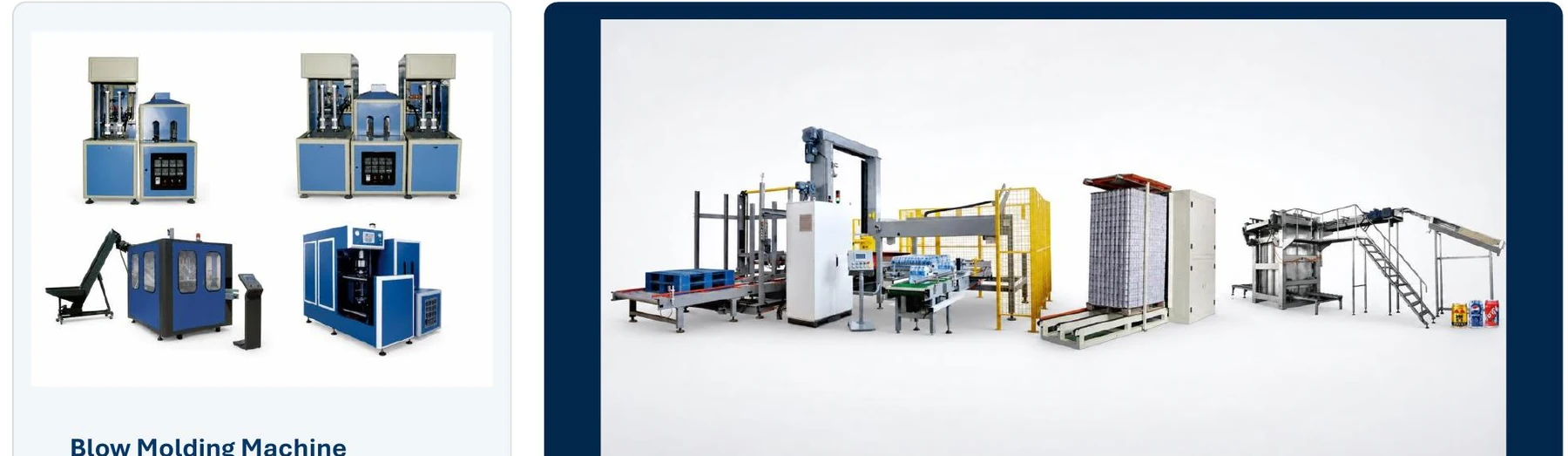
Quotation check: ask the supplier to mark each proposed item as included, optional, buyer supplied or excluded, then connect every item to the preliminary layout and utility schedule.
Questions to answer before requesting price
- Which bottle, pack and accepted output define the quoted price?
- Which machines, interfaces, format parts and startup spares are included?
- Which site, logistics and commissioning costs remain with the buyer?
- Which optional items are required for the intended first production stage?
Buyer-decision content prepared for project clarification. Updated: .
Discuss Your Water Bottling Project
Start with your name, country, email and project question. Company, phone and technical details are optional for this first enquiry.
Choose the next planning task
Start with the decision holding up your project. Use the worksheet to record assumptions, then carry the result into the relevant equipment or plant brief.
Buying bottles versus PET blowing
Compare delivered purchased-bottle cost with fully scoped variable in-house cost. Divide incremental annual fixed cost by the per-bottle difference. Include air, electricity, rejects, labor and maintenance; a negative difference produces no positive break-even volume.
PET air-recovery comparison
Compare measured energy per thousand good bottles before and after a change. A reduction is meaningful only when bottle, preform, quality, operating window and meter boundary are comparable. No supplier savings percentage is assumed.
PET bottle material savings
Compare material mass per accepted bottle and annual volume. A lighter design still needs blowing, conveying, capping, packaging and transport validation. This mass calculation cannot prove bottle strength or an environmental claim.
Bottling-line operator workload
Divide measured person-minutes of work by available minutes per operator for an arithmetic lower bound. Simultaneous tasks, travel, breaks, qualifications and safe operating coverage can require more people. Automation alone does not determine staffing.
Bottling-line downtime reconciliation
Reconcile mutually exclusive stop categories within one measurement window. The remainder is not automatically productive time: running rejects and slow operation are separate. Overlapping stop records or stop time above the window need correction.
FAT packaging-material quantities
Estimate one-per-bottle materials for the agreed FAT run and a separately declared reserve. Labels, film and outer packs have different consumption ratios. Define pre-run setup, destructive sampling, reject handling and the actual test boundary before shipping materials.