Component integration hub
Water Bottling Line Components and Integration Guide
A water bottling line combines water preparation, bottle supply, filling and capping, identification, packing and discharge. Integration defines how those functions exchange product, materials, utilities and control signals. Use an interface register to connect the equipment list to an operable complete line.
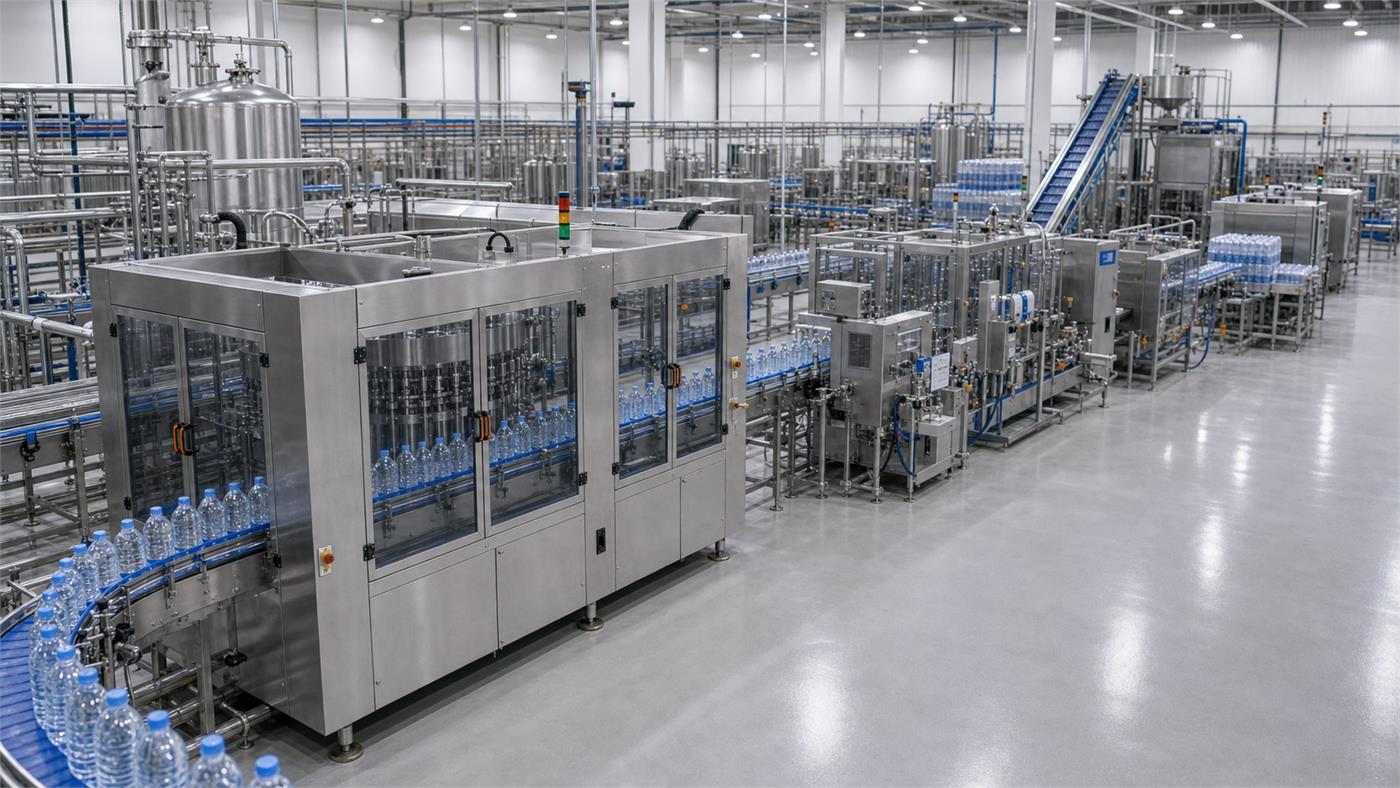
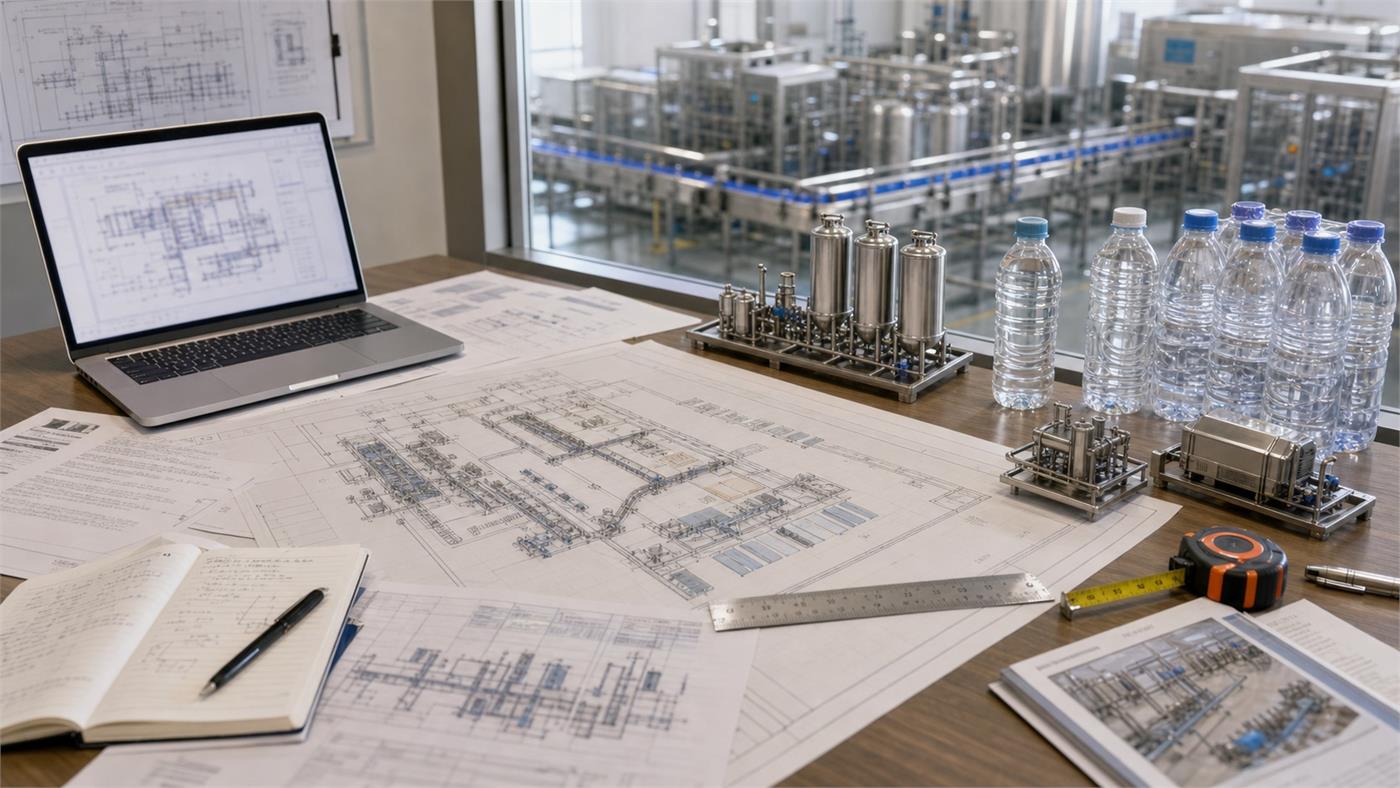
Start With the Boundaries Between Machines
Two machines can each satisfy their own specification while the connection between them remains unresolved. Record what crosses each boundary, the conditions it must meet, who provides the connection and how the assembled result will be checked.
Map the Water and Packaging Routes First
Draw the water route from the agreed source or delivery point through the specified preparation, storage and transfer system to filling. In parallel, draw either purchased-bottle receiving and feeding or the preform-to-bottle route. Connect both routes to the filling and capping center.
Continue through the selected bottle drying, labeling, coding and inspection functions, then the actual pack format and final discharge. Some functions may be integrated within one machine; others may be supplied separately. The function map should remain clear in either architecture.
Identify retained equipment before assigning new machines. Its condition, supported formats, proposed output and available control documentation belong in the review. A retained module is part of the integration scope even when it is absent from the new-equipment invoice.
Industry reference: Sidel water complete-line solutions present integrated equipment and support across the water bottling process. This illustrates complete-line scope; it does not establish an Allot Tech equipment specification or brand relationship. Accessed September 21, 2026.
Create One Record for Each Connection
Give each interface an identifier and name both endpoints. State the approved package reference, mechanical drawing, operating conditions, utility connection or signal description as applicable. Assign one party to coordinate closure, with separate responsibilities for design, supply, installation and testing.
The example register below is a starting structure, not a completed project record. Leave missing heights, pressures, rates and signals OPEN until the responsible supplier provides the required evidence. Do not infer those values from a machine photograph.
Use the same identifier on the layout, equipment list, utility schedule and test record. This makes it possible to trace a change in one document to the affected machines and site work.
| Example interface | Record before approval | Evidence that closes the item |
|---|---|---|
| IF-01: treated-water delivery to filler | Delivery point, connection drawing, required conditions and responsible parties | Approved schedule and relevant operating-condition record |
| IF-02: bottle supply to filling | Approved bottle/neck, transfer arrangement, elevations and coordinated rate | Dimensioned connection and approved-format transfer trial |
| IF-03: labeling to packing | Bottle condition, spacing, accumulation and blocked-discharge response | Transfer and stop/recovery test record |
| IF-04: inspection to rejection | Detection boundary, reject destination and count reconciliation | Agreed reject challenge and recorded result |
| IF-05: packing to warehouse handoff | Pack or pallet definition, discharge route and final counting point | Accepted-product transfer and reconciliation record |
Review Normal Operation, Stops and Recovery
For each material transfer, describe normal flow, upstream starvation, downstream blockage, a planned stop and the agreed restart sequence. Confirm how a local machine state becomes a line-level response. Standard ready, running or fault signals alone may not fully describe the required behavior.
Review rejected bottles or packs as a separate flow. Specify detection, removal, collection, reconciliation and the response when rejection cannot be confirmed. If a count is used for acceptance or traceability, define where it is taken and which rejected products it excludes.
Ask qualified suppliers to define and validate machine safety functions and emergency-stop coordination. A production signal exchange is not evidence that safety-related controls are complete. Keep production behavior and the applicable safety review identifiable in the documents.
Demonstrate the Interface, Not Only the Standalone Machine
Choose test cases that expose the connection being accepted. For a labeler-to-packer interface, use the approved bottle and label, verify the transfer, observe the agreed blocked-discharge response and record how the line recovers. Keep the permitted test procedure and operating responsibilities with the test record.
For utilities, compare the actual connection conditions with the supplier requirement during the specified operating modes. An available pipe or cable does not establish that the service conditions at the machine are adequate.
Record the result as passed, failed or not tested, with the evidence reference and any limitation. Link unresolved items to an owner and a closure test. Do not replace a missing integrated trial with several unrelated standalone certificates.
Hand Over the Information Needed to Maintain the Connection
The final register should reference current drawings, signal and utility schedules, settings or software records where agreed, test evidence and responsible support contacts. Identify which documents describe the installed condition rather than an earlier quotation option.
A future change to the bottle, pack, line direction or retained machine can reopen several interfaces. Review the affected records together and update both the configuration and its acceptance evidence.
Use the specialist component links below for individual machine functions, the responsibility matrix for scope ownership and the RFQ brief for the overall project inputs.
Buyer Questions
What are the main components of a water bottling line?
The functional scope covers water preparation and supply, bottle supply, filling and capping, labeling/coding as required, quality checks, packing, conveyors, utilities and controls. The approved project defines the exact machines and final discharge.
What is an equipment interface register?
It is a controlled list of connections between equipment or site systems, including endpoints, required conditions, document references, responsibilities and acceptance evidence.
Can machines from different suppliers work on one line?
They can be considered when their formats, mechanical transfers, utilities, controls and operating behavior are compatible and the integrated result has an assigned owner and test basis.
Does matching nominal BPH prove that machines are compatible?
No. Transfer geometry, package condition, accumulation, control responses, quality checks and utility conditions still need to match the approved production route.
How Should Water Bottling Line Components Be Integrated?
A complete line is not created by placing separate machines in a row. Each component needs a defined product, container, mechanical, electrical, control, utility and performance interface so one supplier failure or local omission does not become the buyer's unplanned integration problem.
Equipment references for this planning stage
These authentic brochure images help buyers identify the machine categories that may sit inside a complete water bottling line. They are not customer-case evidence and do not fix the final model, output, process, utility load or supplier boundary.
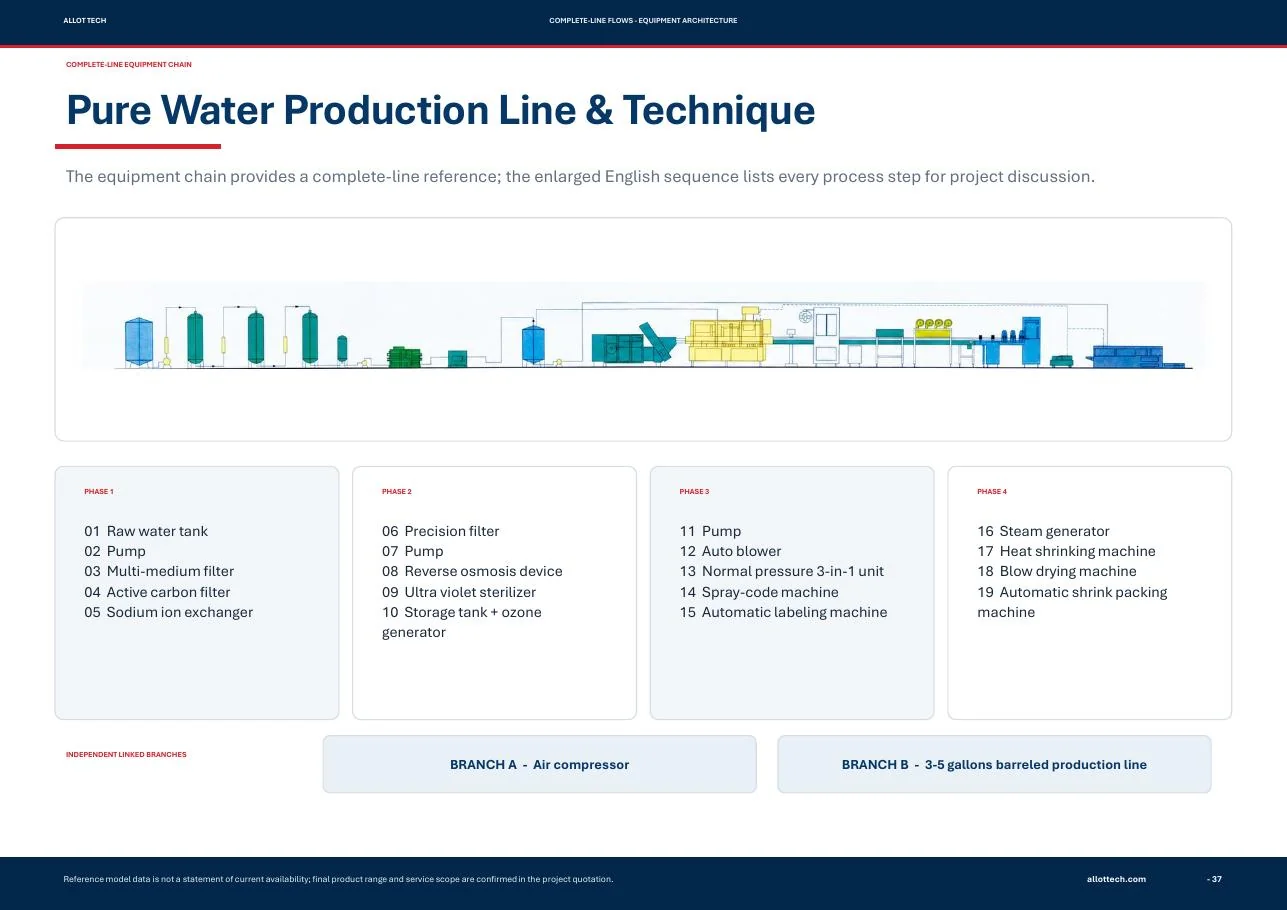
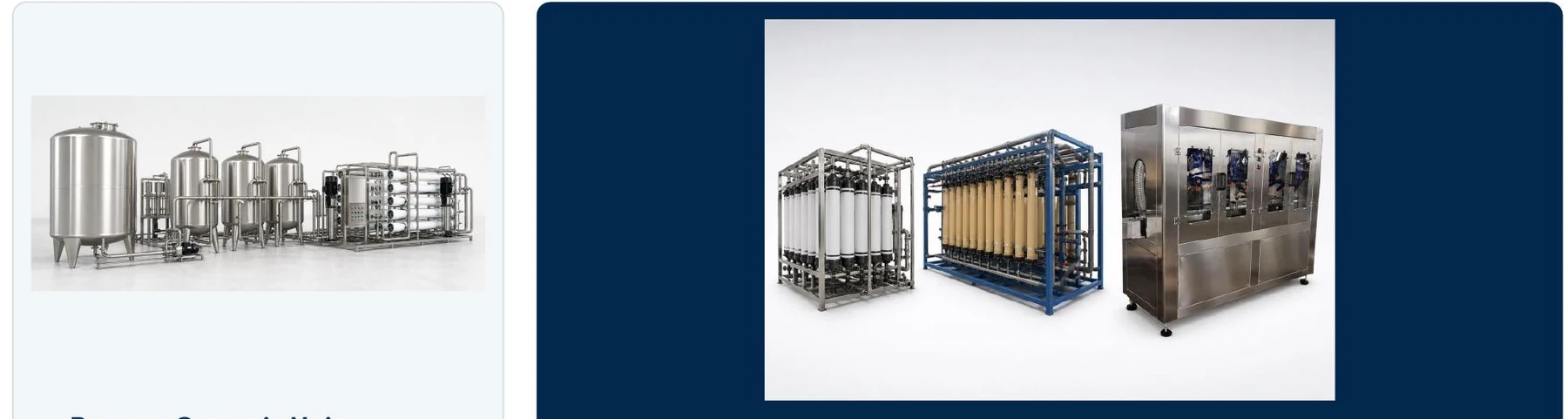
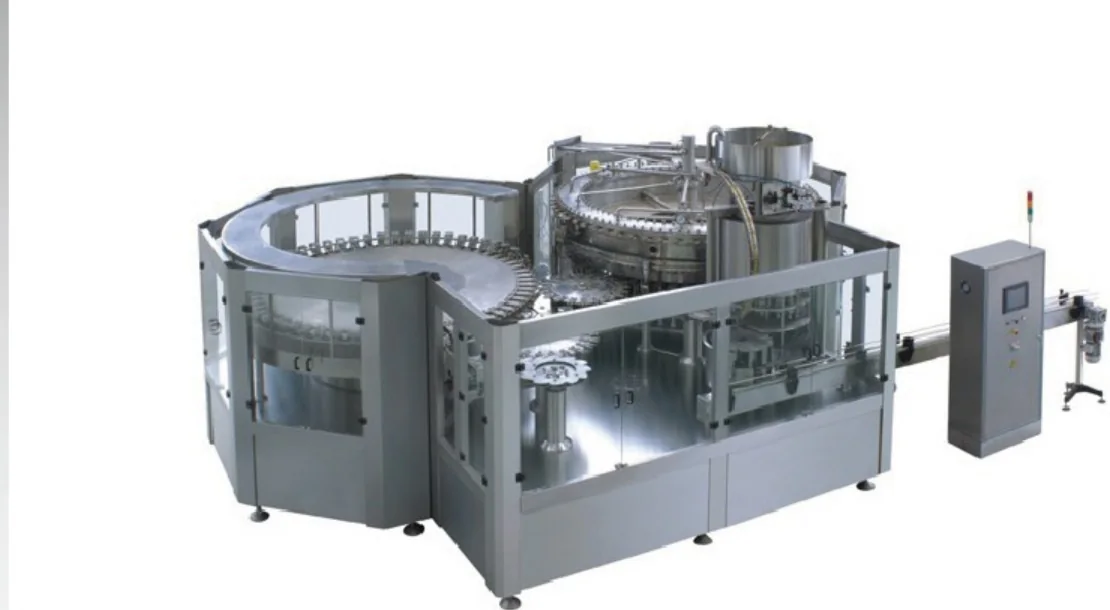
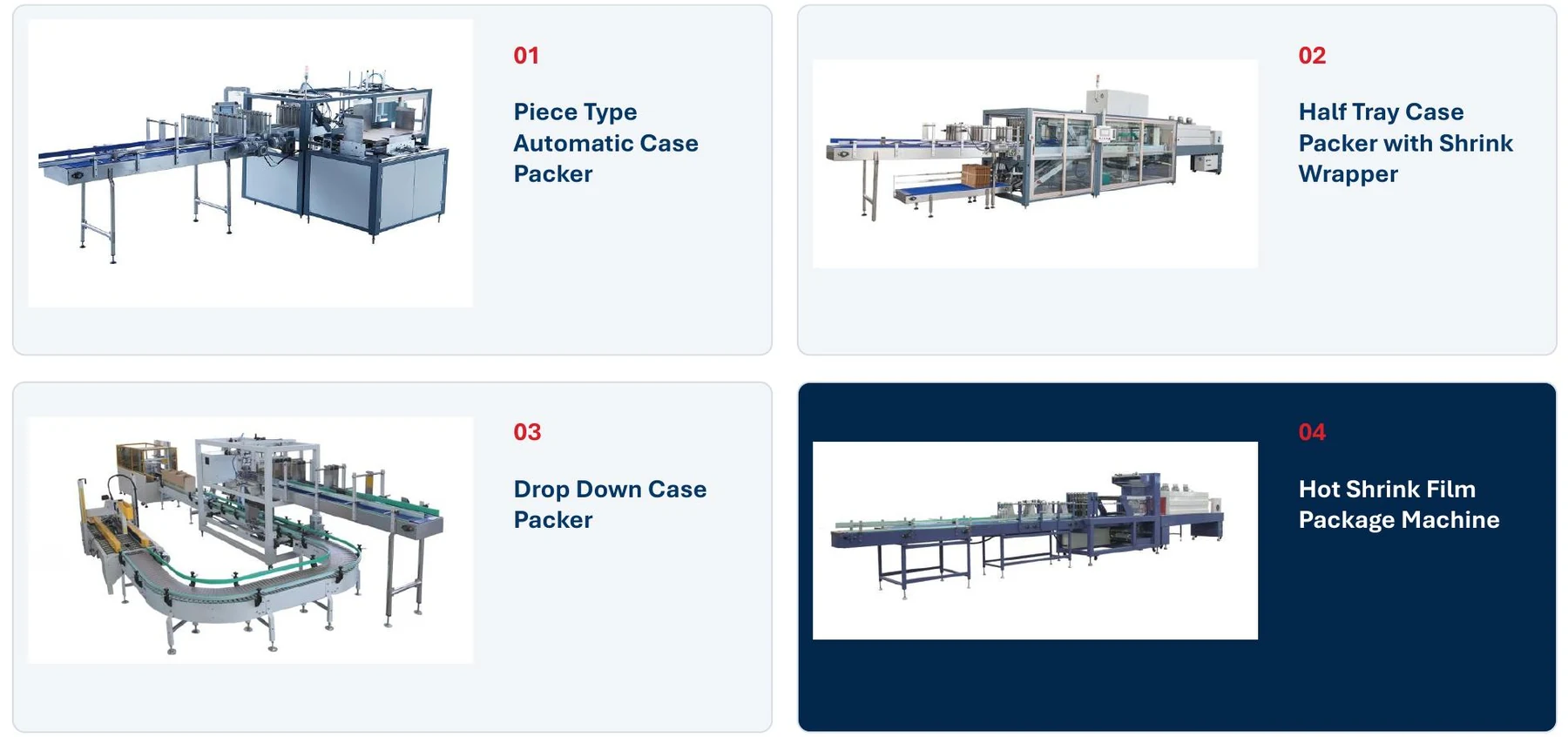
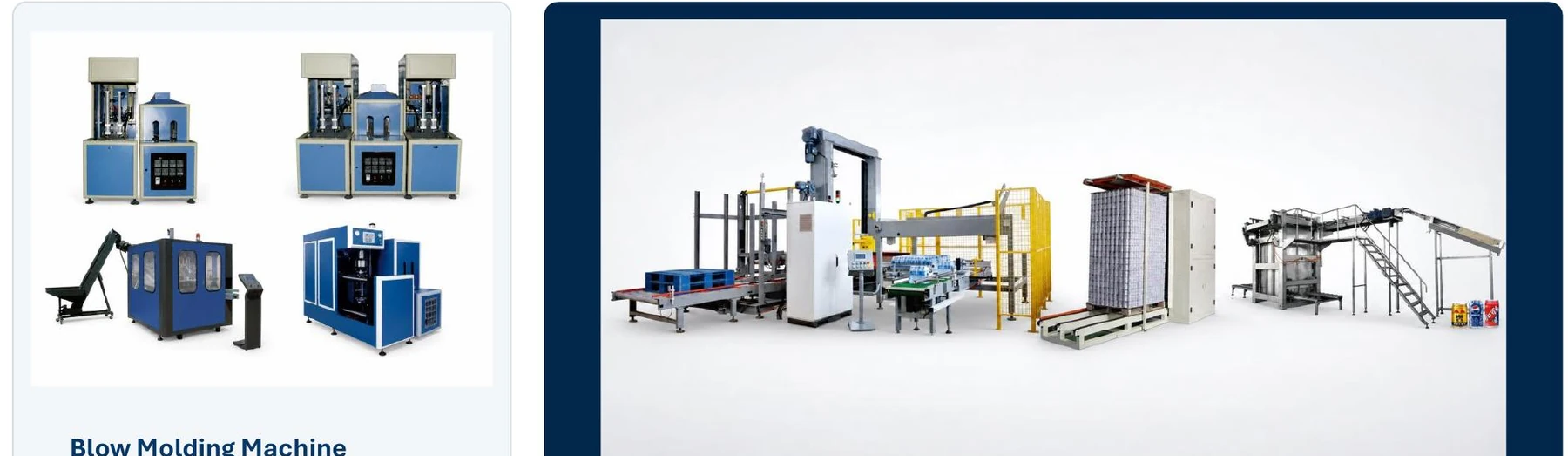
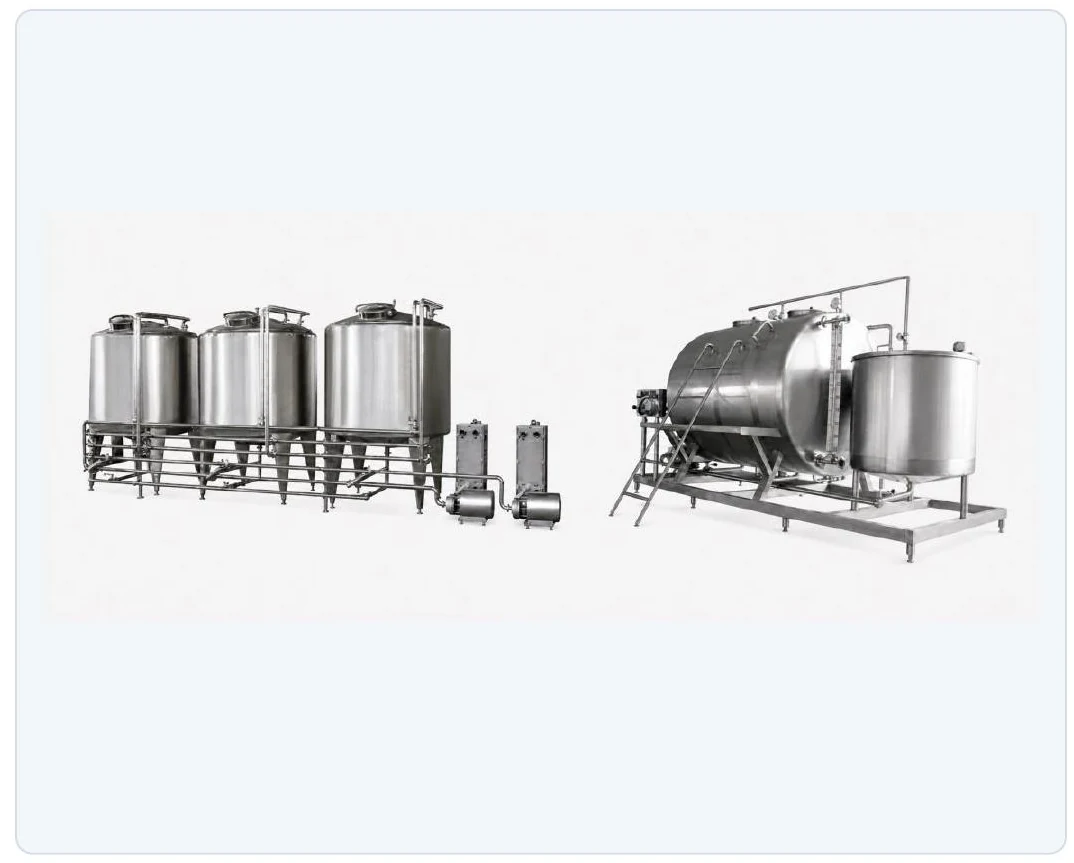
Quotation check: ask the supplier to mark each proposed item as included, optional, buyer supplied or excluded, then connect every item to the preliminary layout and utility schedule.
Questions to answer before requesting price
- Who owns each mechanical, electrical, software and utility interface?
- Which inlet conditions must exist for each machine performance guarantee?
- How will the line recover after an upstream or downstream stop?
- Which integrated tests must pass before final acceptance?
Buyer-decision content prepared for project clarification. Updated: .
Request a Complete Component Integration Review
Share what you know now. The goal is to prepare a useful plant brief before a machine quotation is built.