Water bottling line planning
3000 BPH Water Bottling Line: Output, Equipment and Launch Scope
A 3000 BPH water bottling line is a capacity option to test against your production plan. Confirm which bottle format the rating covers, how many accepted bottles must leave the complete line and how much production time is available before choosing the equipment.
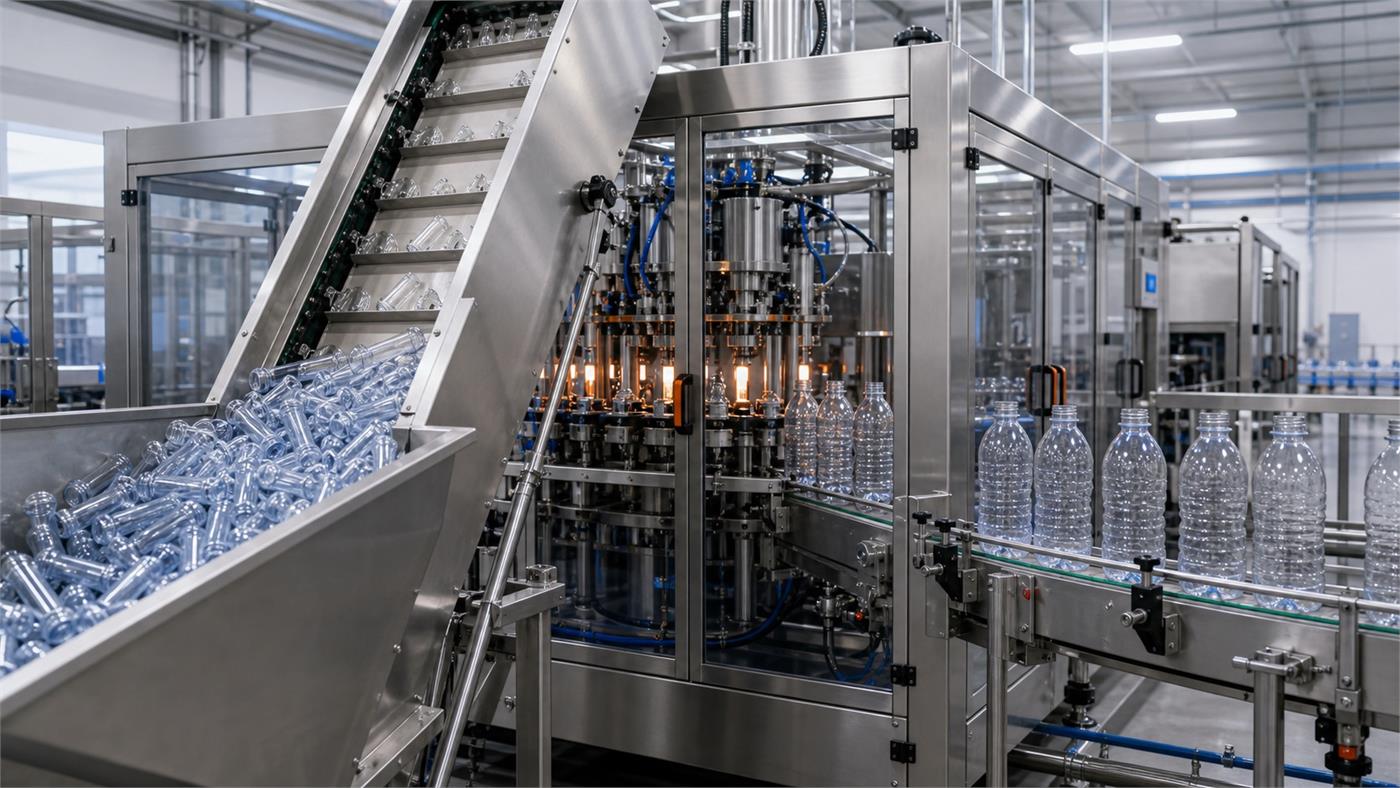
How Many Bottles Can a 3000 BPH Line Produce?
Multiplying 3000 bottles per hour by eight hours gives 24,000 bottles. That is a no-loss arithmetic ceiling for that rate and time, not a daily production promise. It assumes the approved format can run at that rate throughout the entire period.
Illustrative planning case: an eight-hour shift includes one hour reserved for setup and cleaning. The remaining seven-hour production window uses a hypothetical 80% combined factor for operating stops, speed loss and rejects. Estimated accepted output is 3000 × 7 × 0.80 = 16,800 bottles. At 500 ml, that is 8,400 liters of packaged product; at 12 bottles per pack, it is 1,400 complete packs.
The 80% factor is an example input, not a benchmark or guarantee. Do not subtract the same cleaning hour again inside that factor. Define the counting point, then replace the assumptions with supplier evidence and measured performance for the selected bottle, cap, label and pack.
Choose a Bottle Supply Route Before Comparing the Package
Purchased bottles need a receiving check, protected storage, a reliable delivery schedule and a suitable feed method. Their purchase price alone does not capture transport, space and handling. Request bottle samples and drawings before the filler and transfer parts are finalized.
In-house PET blowing adds preform feed, a blower, molds and the specified air, cooling and maintenance scope. Compare that complete route with purchased bottles. A 3000 BPH filler label does not establish the blower output on your particular bottle.
Either route still needs the agreed water preparation and storage, rinsing-filling-capping arrangement, cap supply, labeling, coding, inspection or checking tasks, packing and conveyors. Identify each included machine and each buyer-supplied service in the quotation.
| Workstream | Evidence for the 3000 BPH proposal | Decision to record |
|---|---|---|
| Water supply | Source-water report and proposed treatment/storage scope | Who supplies the process and verifies the required conditions |
| Bottle supply | Approved samples, neck drawing and delivery or blowing plan | Purchased bottle feed or in-house bottle manufacture |
| Filling to packing | Format-specific rates and a defined counting point | Accepted output at the agreed end of the line |
| Operation | Packing tasks, replenishment plan and trial records | Staffed tasks and equipment included at launch |
| Expansion | Future format/rate and retained-module review | Reserve, adapt, replace or add in parallel |
Check the Tasks That Can Limit a Smaller Line
At 3000 bottles per hour, a 12-bottle pack corresponds to 250 packs per hour, or about 4.17 packs per minute, during continuous running. This conversion describes material flow. It is not a staffing estimate and does not prove that manual packing is suitable.
Review loading, pack forming or wrapping, inspection, pallet handling and material replenishment together. Time a representative packing task using the intended materials and safe work method. Include breaks and operator overlap in the production schedule.
If the packing section cannot sustain the required output, compare a different pack method, an appropriate automation step or a revised schedule before buying a faster filler.
Specify the First Stage and the Upgrade Separately
Write a launch list and a future list. The launch list defines what must function at acceptance; the future list records a possible bottle, pack or output change, its trigger and the equipment affected.
Space reserved for expansion does not make a 3000 BPH machine capable of 5000 BPH. Ask whether each retained module can meet the future format and rate, whether conveyors and controls can connect, and what must be replaced. Preserve installation and maintenance access in both layouts.
A useful request includes accepted bottles per day, launch SKUs, production hours, bottle supply route, final pack, available building drawing and known utility limits. Unconfirmed power, air, area and price should stay open until the supplier defines the equipment.
Buyer Questions
Is a 3000 BPH water bottling line enough for a startup?
Test it against accepted daily demand, available production hours, launch formats and operating losses. A startup label alone does not establish the right capacity.
Does 3000 BPH mean 24,000 bottles in an eight-hour shift?
Only as a no-loss calculation. Planned stops, format changes, operating losses and rejects reduce accepted daily output. Define those inputs before estimating production.
Does a 3000 BPH line include a bottle blower?
Only if the agreed scope includes it. Purchased-bottle and in-house blowing routes require different equipment, storage, utilities and operating tasks.
Can a 3000 BPH line be upgraded to 5000 BPH?
An upgrade is conditional on the retained equipment, approved formats, controls, utilities and layout. Some modules may need replacement; reserved space is not a speed guarantee.
What Does a 3000BPH Water Bottling Line Need to Deliver?
A 3000BPH label describes a rated bottle count at a stated format and condition. It does not by itself define saleable output, treatment demand, packing labor or the complete investment boundary. Use this page to convert the speed label into a startup production plan.
Equipment references for this planning stage
These authentic brochure images help buyers identify the machine categories that may sit inside a complete water bottling line. They are not customer-case evidence and do not fix the final model, output, process, utility load or supplier boundary.
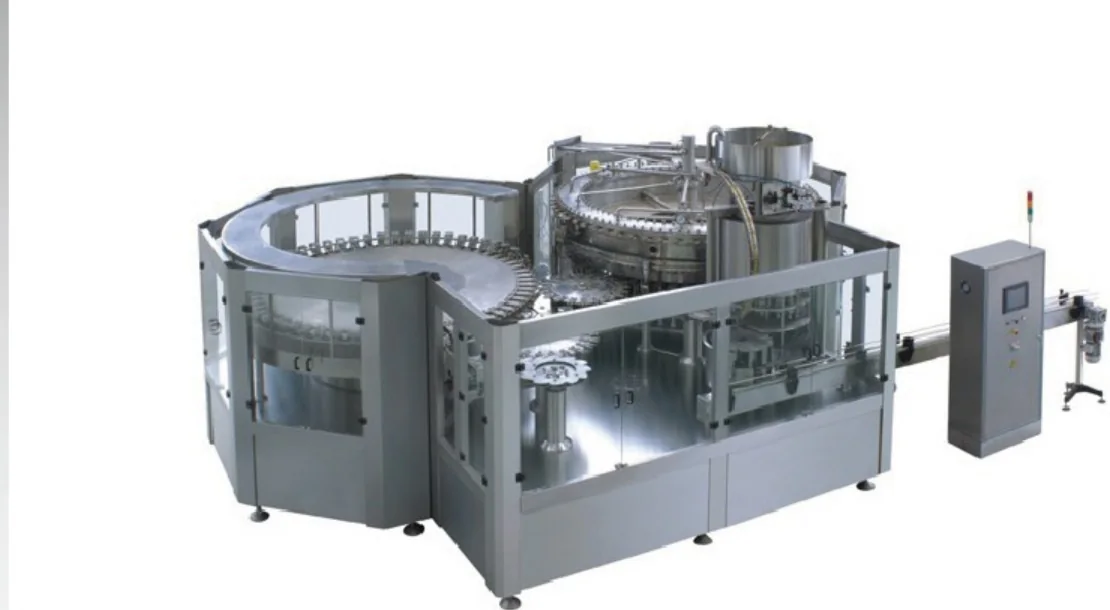
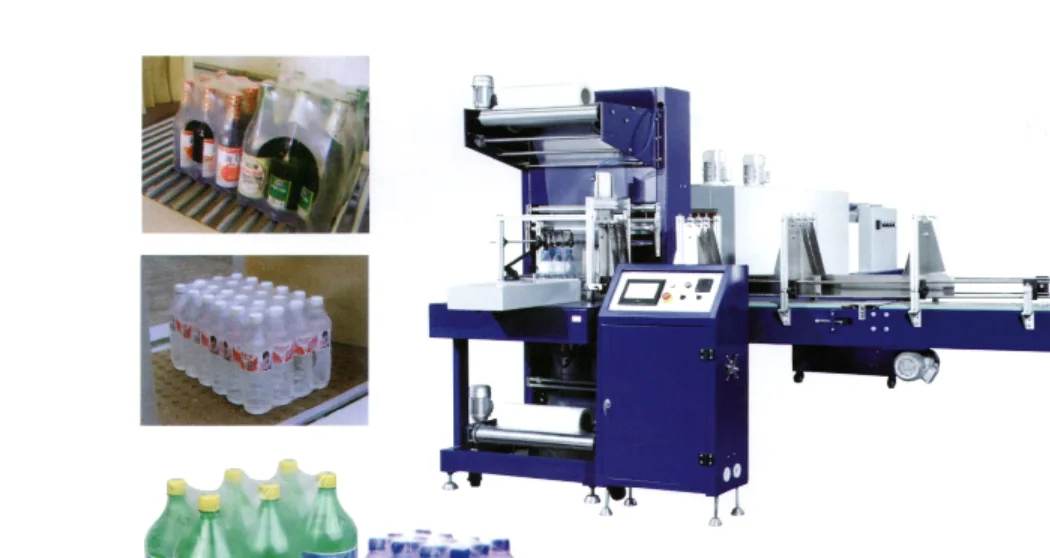
Quotation check: ask the supplier to mark each proposed item as included, optional, buyer supplied or excluded, then connect every item to the preliminary layout and utility schedule.
Questions to answer before requesting price
- Which bottle size and cap define the 3000BPH reference format?
- Will bottles be purchased or blown from PET preforms?
- How many saleable bottles are required per day and per month?
- Which utilities and building conditions are already confirmed?
- Which costs remain outside the equipment supplier quotation?
- What must remain reusable when the plant moves beyond 3000BPH?
Buyer-decision content prepared for project clarification. Updated: .
Plan This 3000BPH Capacity
Share what you know now. The goal is to prepare a useful plant brief before a machine quotation is built.