Water treatment planning
Water Treatment System for Bottled Water Plant
Plan the bottled water treatment scope before choosing the filling line. Raw water quality, filtration, RO, UV, ozone, treated water storage and sanitation requirements shape the complete plant proposal.
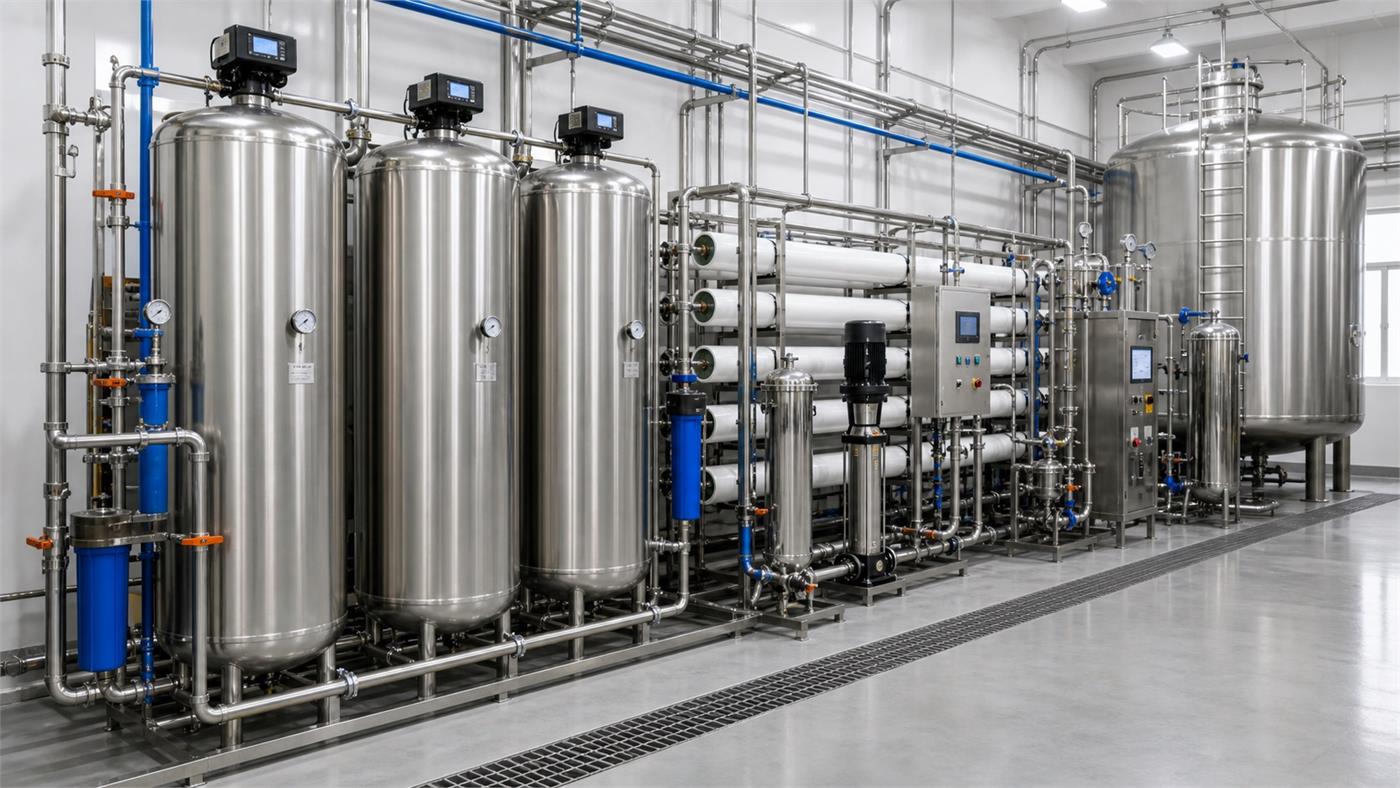
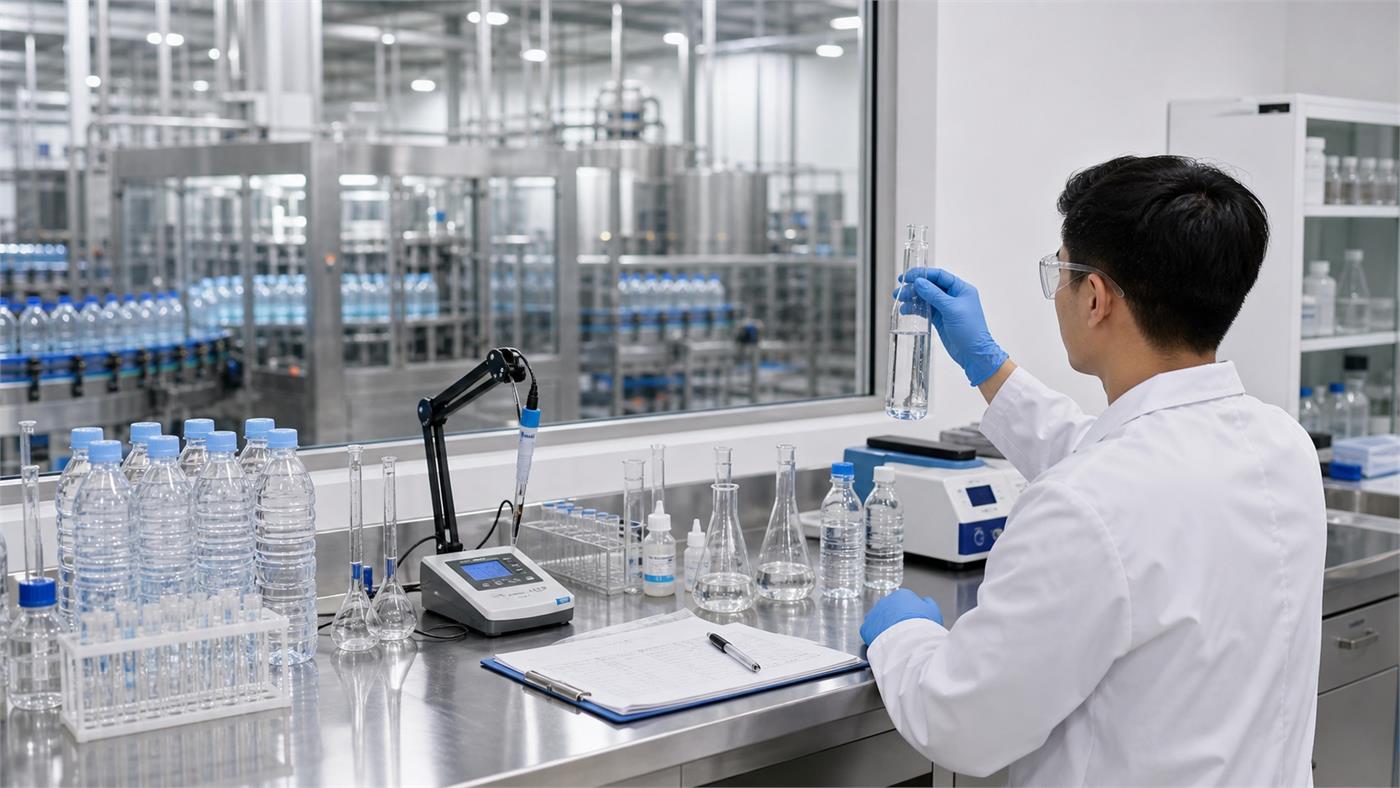
Treatment Scope Decides the Real Plant Design
A new bottled water plant should not treat the filler as the starting point. Raw water testing and treatment planning decide tank size, filtration, sanitation, utility demand and layout pressure.
- Raw water testing first
- Filtration and RO only when justified
- UV, ozone and storage planning
- Treatment room access and drainage
Systems to Clarify Before Quotation
The goal is not to oversell treatment equipment. The goal is to define what the source water and local standard require before the supplier quotes a complete line.
Raw water source
Municipal water, well water, spring water and surface water can require different pretreatment decisions.
Water test report
Share basic water quality data so filtration, RO, softening, UV, ozone and tank planning are not guessed.
Filtration train
Sand filter, carbon filter, precision filtration or other pretreatment should match the water source.
RO decision
RO may be required for some sources and markets, but it also changes recovery, wastewater, power and maintenance.
UV and ozone
Disinfection and storage choices affect hygiene, shelf life planning and treated water tank design.
Tank and piping layout
Raw water tanks, treated water tanks, pumps and sanitary piping need service access and drainage.
Buyer-side utilities
Water inlet, drainage, power, chemicals, cleaning access and ventilation must be clarified before installation.
Supplier responsibility
Confirm which treatment items, instruments, valves, tanks, piping and installation support are included.
Water Treatment Inputs for a Complete Line Proposal
Send these details before requesting a quotation so treatment scope and filling line scope can be designed together.
| Input | Why it matters | What to prepare |
|---|---|---|
| Water source | Different sources need different treatment logic. | Municipal, well, spring or other source description. |
| Water test | Treatment should be based on data where possible. | Basic lab report or local water analysis. |
| Daily production target | Treatment flow must support real shift output. | Target BPH, shifts per day and bottle sizes. |
| Local standards | Compliance changes process and documentation needs. | Local bottled water rules and label requirements. |
| Factory space | Treatment room, tanks and drainage require layout space. | Room dimensions, ceiling height, drains and utility route. |
| Maintenance plan | Filters, membranes and pumps need routine service. | Operator skill level and spare parts expectations. |
FAQ
Do I need reverse osmosis for bottled water?
It depends on raw water quality and local product requirements. A water test should guide filtration, RO, UV, ozone and storage decisions.
What water source information is needed?
Identify whether the source is well, municipal, spring or another supply, and prepare available lab results or local water quality data.
Can treatment capacity be smaller than filling capacity?
Treatment and storage must support filling demand across the production schedule. If undersized, the filler may wait for treated water.
What water tests are needed before treatment design?
Use a qualified local laboratory and share the source-water report with the treatment designer. The required parameters depend on the source and local rules, so the supplier should not guess treatment from appearance or taste.
What is the role of UV and ozone in a bottled water plant?
UV and ozone can be parts of a disinfection strategy, but their selection, dose, contact arrangement and monitoring should follow water quality, process design and local requirements.
How much treated-water storage is needed?
Storage should be sized around treatment flow, filling demand, sanitation and the planned production schedule. It should not be selected from filler speed alone.
Define the treatment system from source risk to product-water target
Treatment design should connect representative raw-water data, finished-water requirements, sanitary storage and bottling demand. Equipment names alone do not establish a valid process.
Allot Tech Project Desk · Mr KcalBuyer-education content prepared for project clarification. Final equipment scope, engineering values, prices and guarantees must be confirmed in a supplier's written proposal.Updated:
What Defines a Water Treatment System for a Bottled Water Plant?
The correct treatment train starts with representative source-water evidence and a defined product-water target. A generic list of filters cannot establish membrane need, chemical dosing, disinfection, recovery, hygienic storage or waste handling for a specific plant.
Equipment references for this planning stage
These authentic brochure images help buyers identify the machine categories that may sit inside a complete water bottling line. They are not customer-case evidence and do not fix the final model, output, process, utility load or supplier boundary.
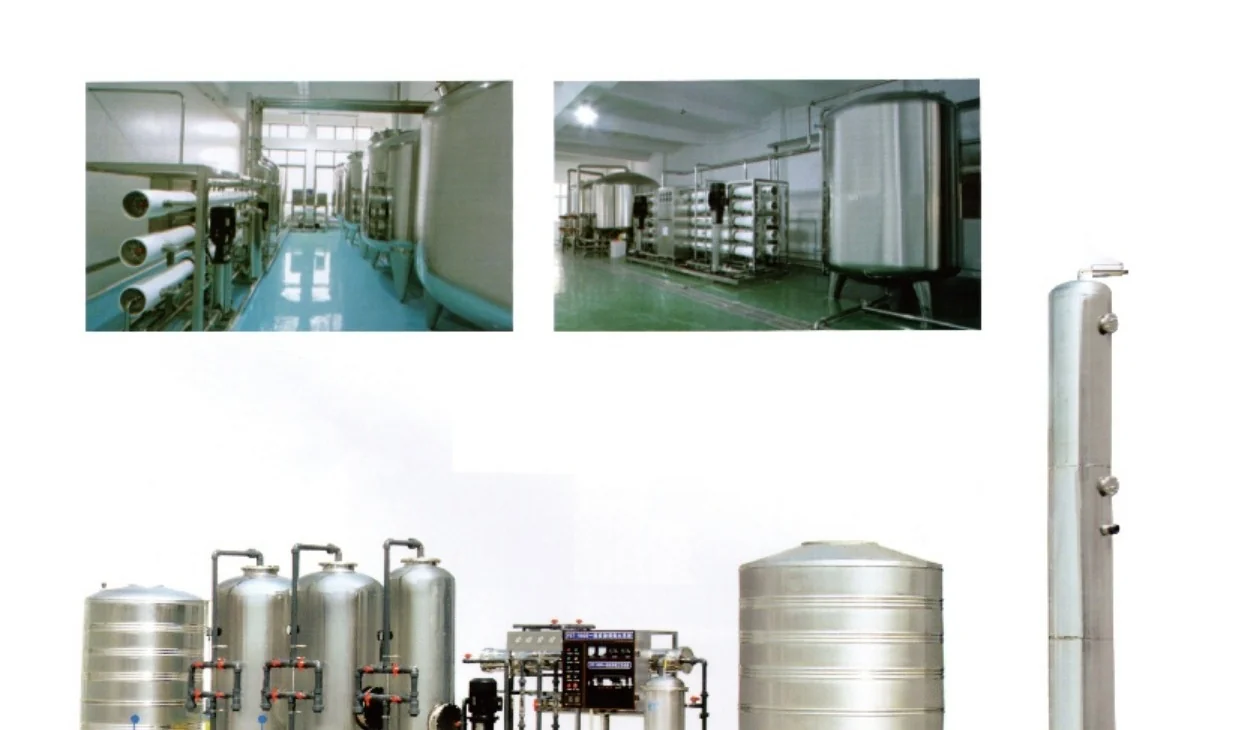
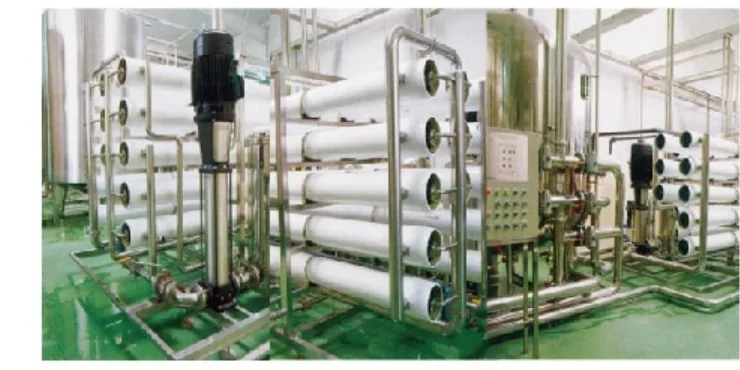
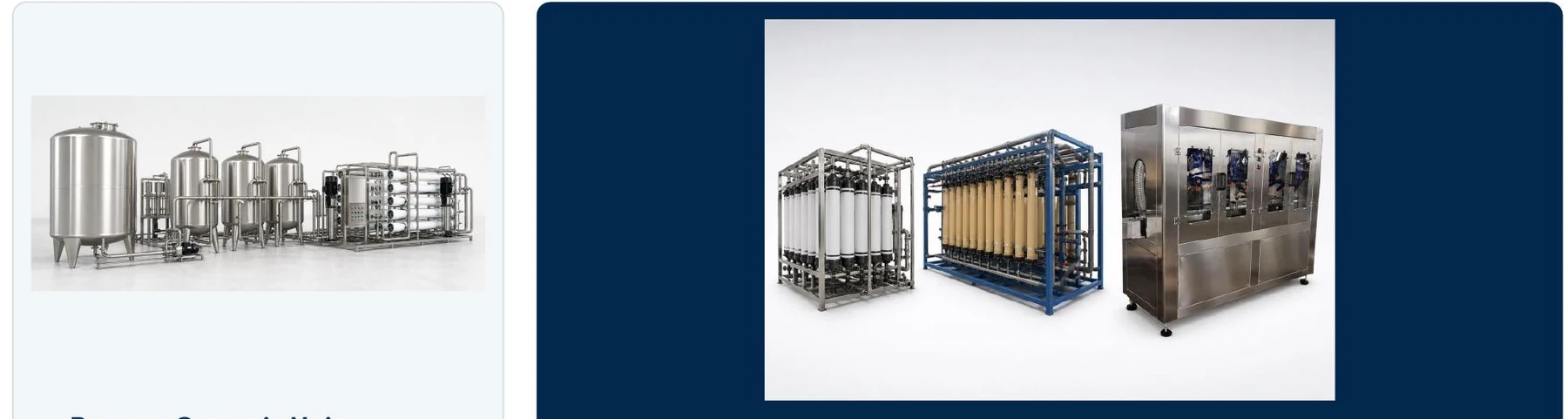
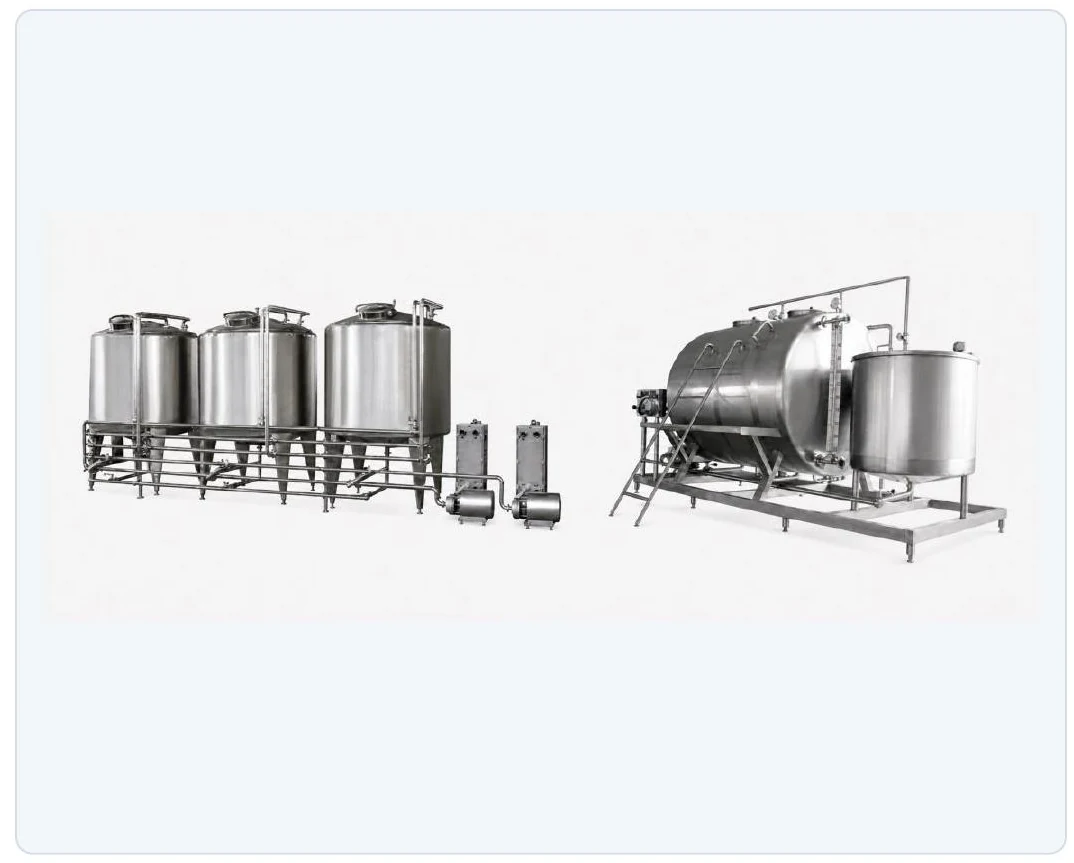
Quotation check: ask the supplier to mark each proposed item as included, optional, buyer supplied or excluded, then connect every item to the preliminary layout and utility schedule.
Questions to answer before requesting price
- Is the raw-water sample representative of expected operating conditions?
- What product-water criteria and local approvals apply?
- How will tanks, piping and distribution be sanitized and verified?
- Where will reject water, backwash and spent consumables go?
Buyer-decision content prepared for project clarification. Updated: .
Request Water Treatment Scope Review
Share what you know now. The goal is to prepare a useful plant brief before a machine quotation is built.