Water bottling line planning
10000 BPH Water Bottling Line: Line Balance and Plant Readiness
A 10000 BPH water bottling line needs a coordinated flow from bottles and treated water to the agreed finished-product endpoint. Use the reference format to translate the rating into product liters, packs and site tasks, then verify the capacity of each connected section.
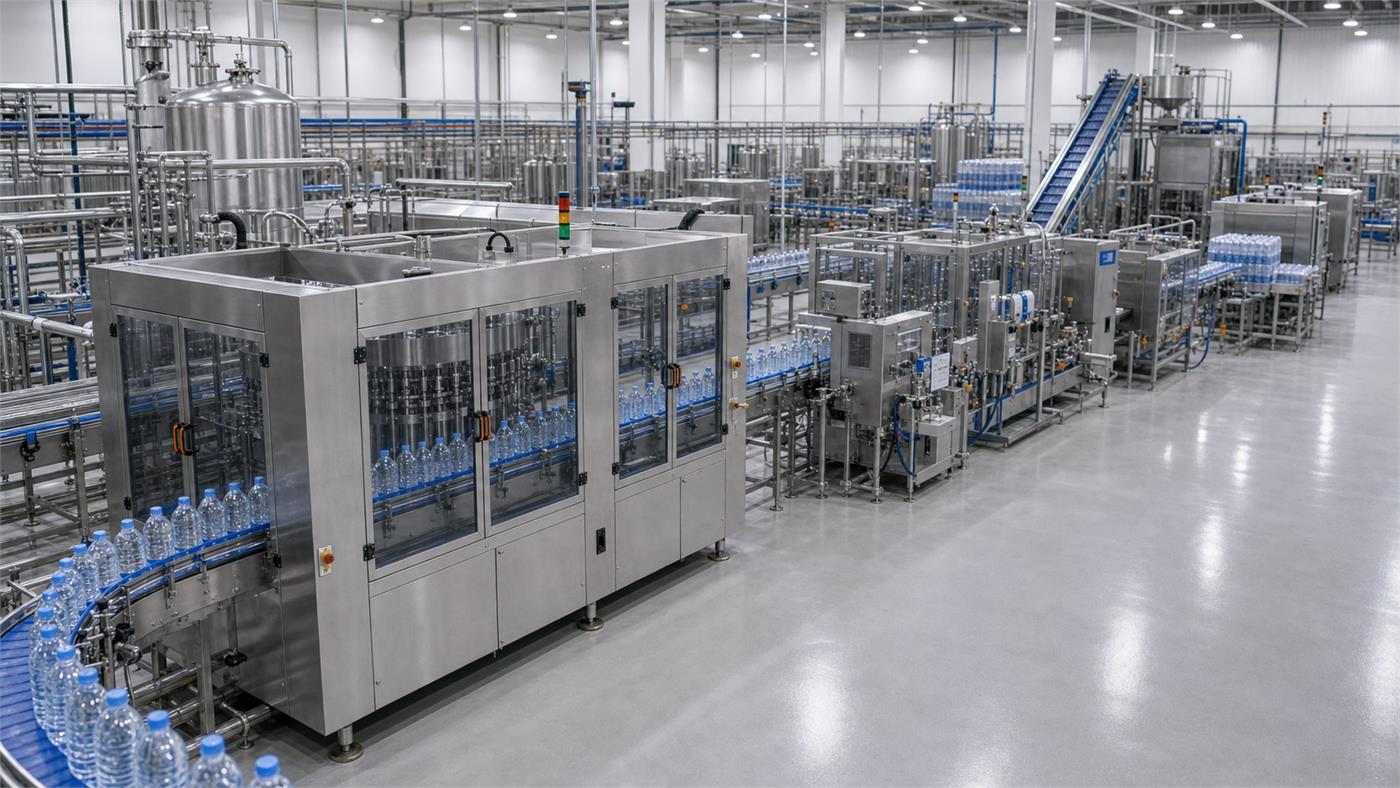
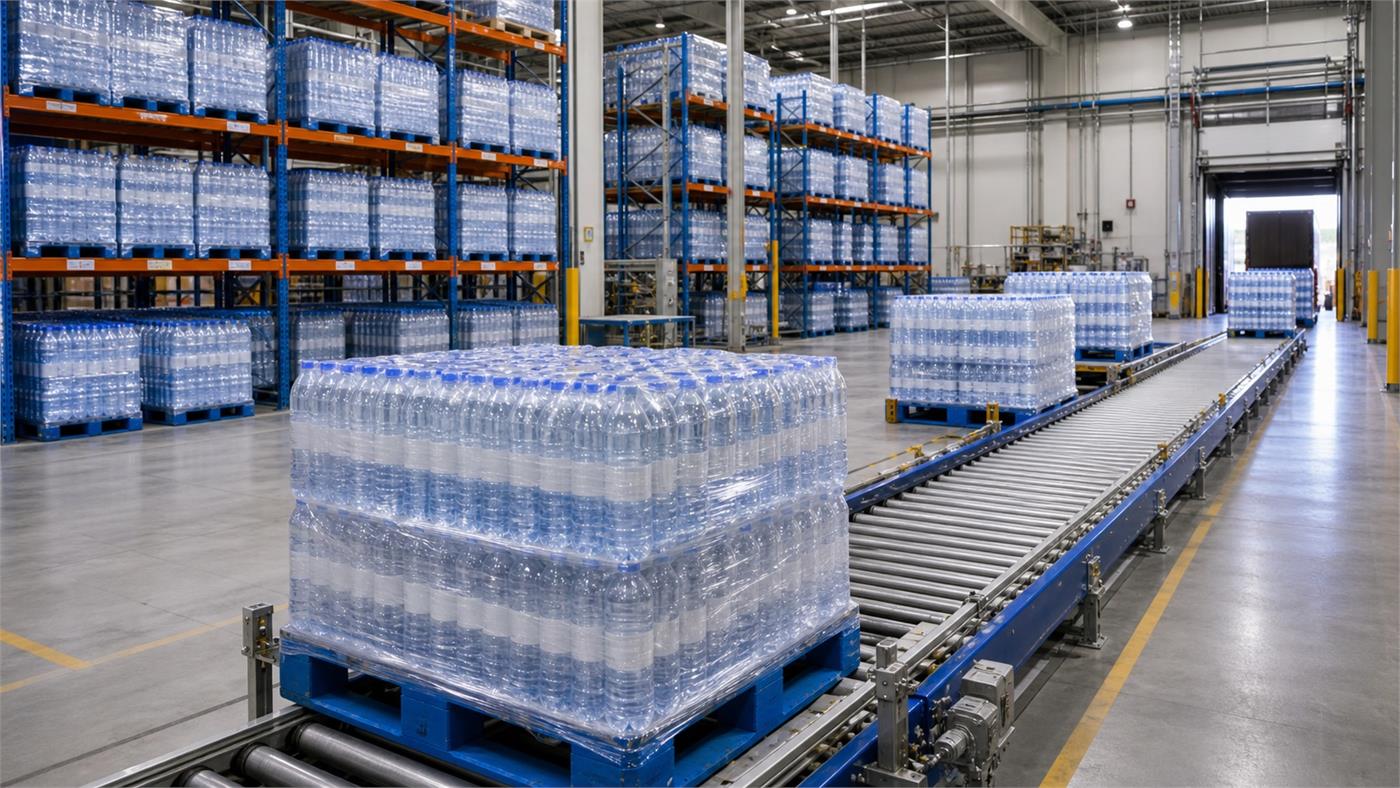
Check the Complete Flow Before Increasing the Filler Rating
At higher bottle flow, a short packing interruption can stop upstream equipment when usable accumulation is exhausted. Confirm the actual package, recovery behavior and utility conditions before comparing line proposals.
Translate 10000 BPH Into Water and Pack Flow
For an illustrative 500 ml format running continuously at 10000 BPH, nominal packaged-product flow is 5,000 liters per hour. A 12-bottle pack corresponds to about 13.89 packs per minute, and a 24-bottle pack to about 6.94 packs per minute.
These conversions are arithmetic planning inputs, not equipment specifications. Product liters are not the total raw-water requirement. Treatment losses, rinsing, cleaning and other water uses require a separate water balance with clearly defined boundaries.
If another bottle size is planned, obtain its own approved rate before calculating product flow. Do not multiply 10000 BPH by a larger volume unless the supplier confirms that output for the larger format.
Check Bottle Supply, Filling and End-of-Line Together
Document which bottle route enters the scope: purchased empty bottles, a separate blowing cell or an integrated blowing/filling/capping arrangement. Compare the complete architecture, including transfers, utilities, operation and recovery after a stop.
Confirm the proposed rate of the labeler and packer on your bottle, label and pack. Record the selected inspection and rejection points, how rejected material is handled, and which downstream count represents accepted output.
The final transfer matters as well. Show pack or pallet movement, material replenishment, warehouse receiving and access for service. An unobstructed machine layout can still fail to provide a practical production route.
| Section | Format-specific evidence | Interface to resolve |
|---|---|---|
| Bottle supply | Approved bottle/preform references and sustained supply rate | Starvation, transfer and restart behavior |
| Filling and cap supply | Coordinated rate and accepted quality conditions | Water delivery, cap replenishment and rejects |
| Labeling and coding | Material references and legibility/placement criteria | Bottle condition, inspection and change parts |
| Packing and discharge | Pack arrangement, materials and demonstrated output | Stops, accumulation and recovery |
| Warehouse handoff | Pallet or pack route and receiving schedule | Backpressure and finished-goods counting point |
Use a Buffer Calculation to Start the Engineering Review
A simple accumulation estimate is the incoming rate minus the outgoing rate, multiplied by the interruption time. If upstream continues at 10000 BPH while downstream is stopped for two minutes, the arithmetic backlog is 10000 × 2 ÷ 60 = 333.33 bottles. Rounding up gives 334 bottle positions for that idealized event.
That figure is not a conveyor design. Existing inventory, usable rather than geometric capacity, bottle stability, control response, discharge behavior and physical access all need review. Define what happens when the buffer reaches its operating limit.
After restart, downstream needs available recovery capacity to reduce the backlog while upstream continues. If both sections only resume at the same rate, the buffer does not empty. Request a stop-and-recovery demonstration for the agreed event rather than accepting conveyor length as proof of line performance.
Prepare Site Evidence Before Fixing the Equipment Layout
Obtain the supplier equipment list and connection schedule. For each connection, confirm the operating conditions, peak or simultaneous demand basis and point of responsibility. Separate connected electrical load from running demand and keep bottle-blowing utilities distinct where required by the selected equipment.
Use the building drawing to review installation access, maintenance removal paths, operating aisles, material storage and final-product movement. Supplier footprints and qualified site review should determine the layout; a universal floor-area claim would hide important differences between projects.
A useful readiness register names each missing item, its owner, the required evidence and the release condition. Examples include approved bottle samples, the utility connection plan, packing-material availability and the handoff from installation to performance testing.
Write the Acceptance Boundary Into the Proposal
Specify the launch format, approved materials, production duration, counting point, quality criteria and treatment of stops. Link the complete-line output target to factory and site test procedures, with open items and retest conditions recorded.
Keep machine capability, line performance and shipment readiness as separate decisions. A factory trial does not automatically establish performance with the final site utilities and operating team.
Before requesting a 10000 BPH price, attach the required accepted output, SKU list, pack definition, bottle route, building drawing, available utility information and retained-equipment interfaces. Ask the supplier to state exclusions and assumptions explicitly.
Buyer Questions
How much product water does 10000 BPH require at 500 ml?
The nominal packaged-product flow is 5,000 LPH at a continuous 10000 BPH. Total source-water demand requires a separate balance for treatment and other process uses.
Does a 10000 BPH filler guarantee a 10000 BPH complete line?
No. Bottle supply, filling, labeling, packing, utilities and discharge must support the agreed format and acceptance conditions together.
How much buffer does a 10000 BPH line need?
Calculate the net flow during a specified interruption, then have the supplier validate usable capacity, bottle stability, control response and recovery. No single buffer size suits every layout.
Is there a standard floor area for a 10000 BPH plant?
The required area depends on the selected equipment, bottle route, treatment, operating access, utilities, materials and warehouse plan. Use actual footprints and a reviewed layout.
How Should a 10000BPH Water Bottling Line Be Specified?
At 10000 bottles per hour, line performance depends on the complete system rather than the filler alone. Define the reference bottle, good-output calculation, accumulation, packaging, utilities and acceptance test before treating 10000BPH as a purchasing specification.
Equipment references for this planning stage
These authentic brochure images help buyers identify the machine categories that may sit inside a complete water bottling line. They are not customer-case evidence and do not fix the final model, output, process, utility load or supplier boundary.
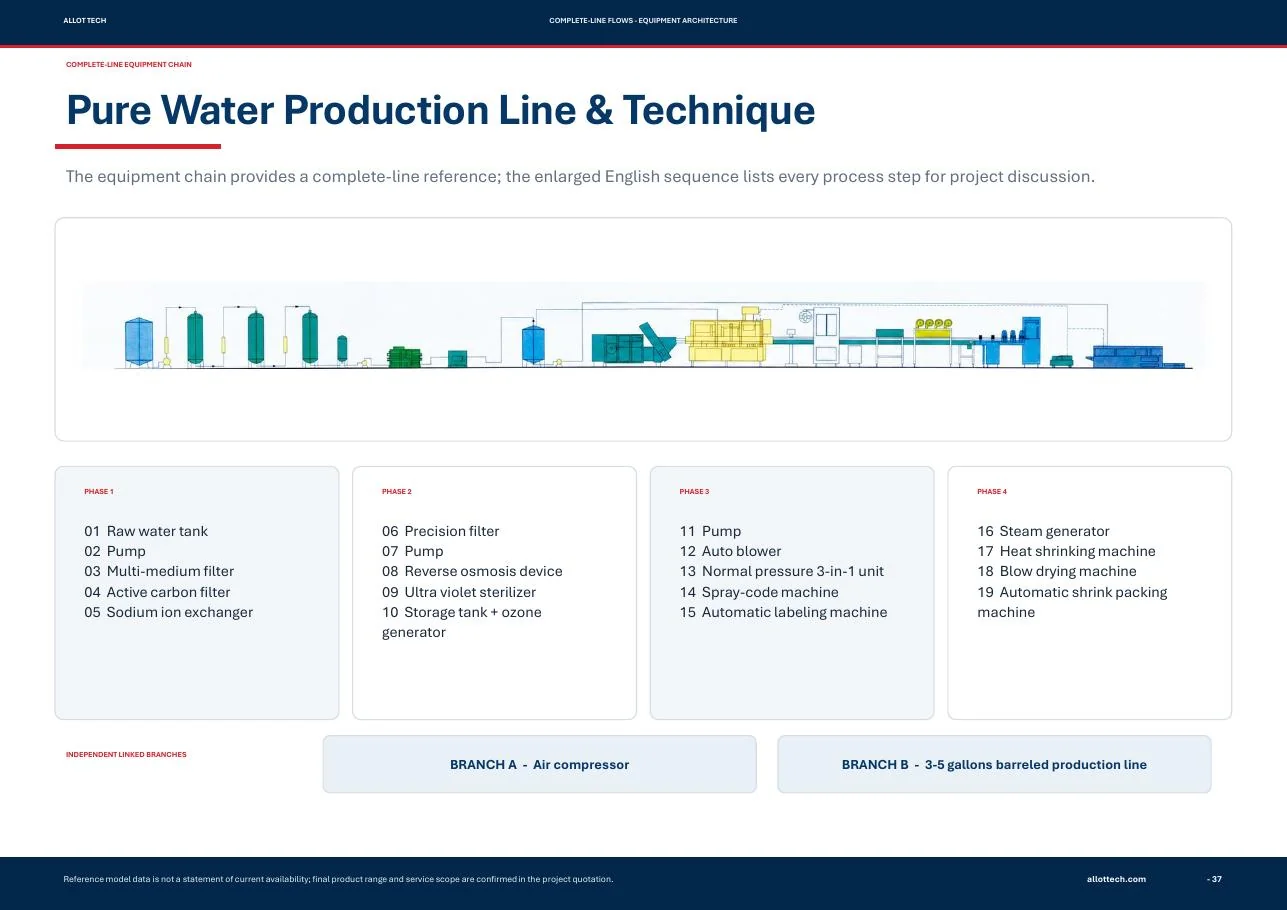
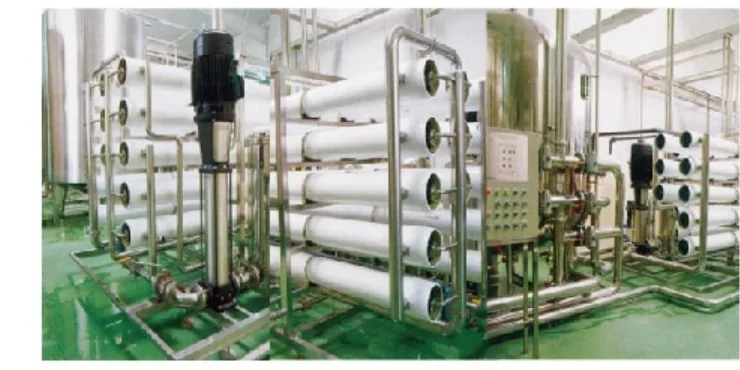
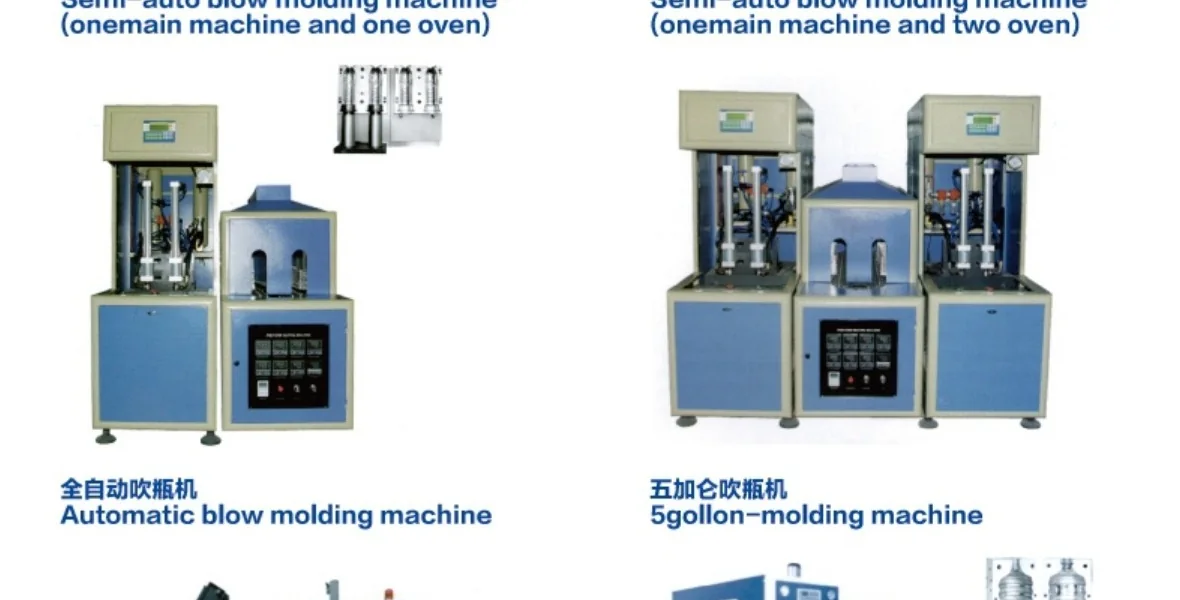
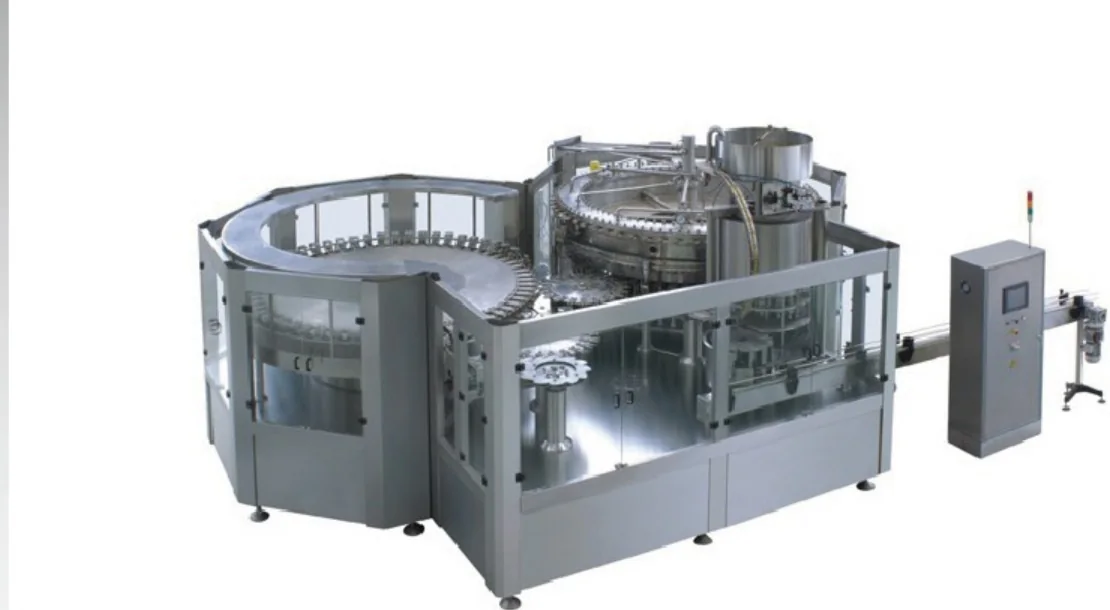
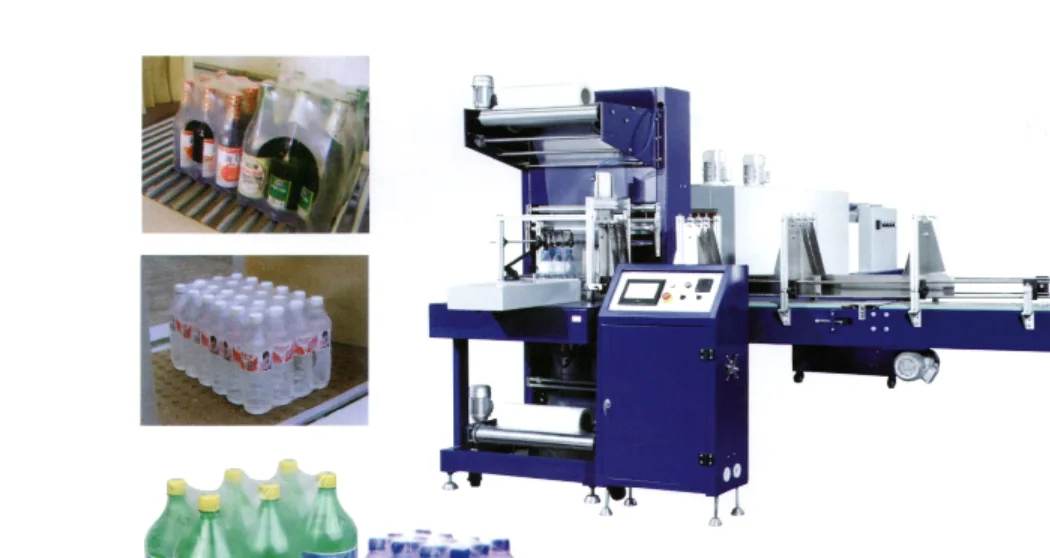
Quotation check: ask the supplier to mark each proposed item as included, optional, buyer supplied or excluded, then connect every item to the preliminary layout and utility schedule.
Questions to answer before requesting price
- Which bottle and finished pack carry the 10000BPH requirement?
- Is 10000BPH a rated speed or guaranteed good-bottle output?
- Can treatment, blowing, packing and warehouse flow sustain the same basis?
- What evidence must close FAT and site acceptance?
- Which project costs sit outside the equipment quotation?
- How will the line recover from common upstream and downstream stops?
Buyer-decision content prepared for project clarification. Updated: .
Plan This 10000BPH Capacity
Share what you know now. The goal is to prepare a useful plant brief before a machine quotation is built.