Product-contact cleaning
CIP Cleaning System for a Water Bottling Line
Define which product-contact circuits are cleaned, how cleaning conditions are monitored and who validates the procedure before buying a generic CIP skid.
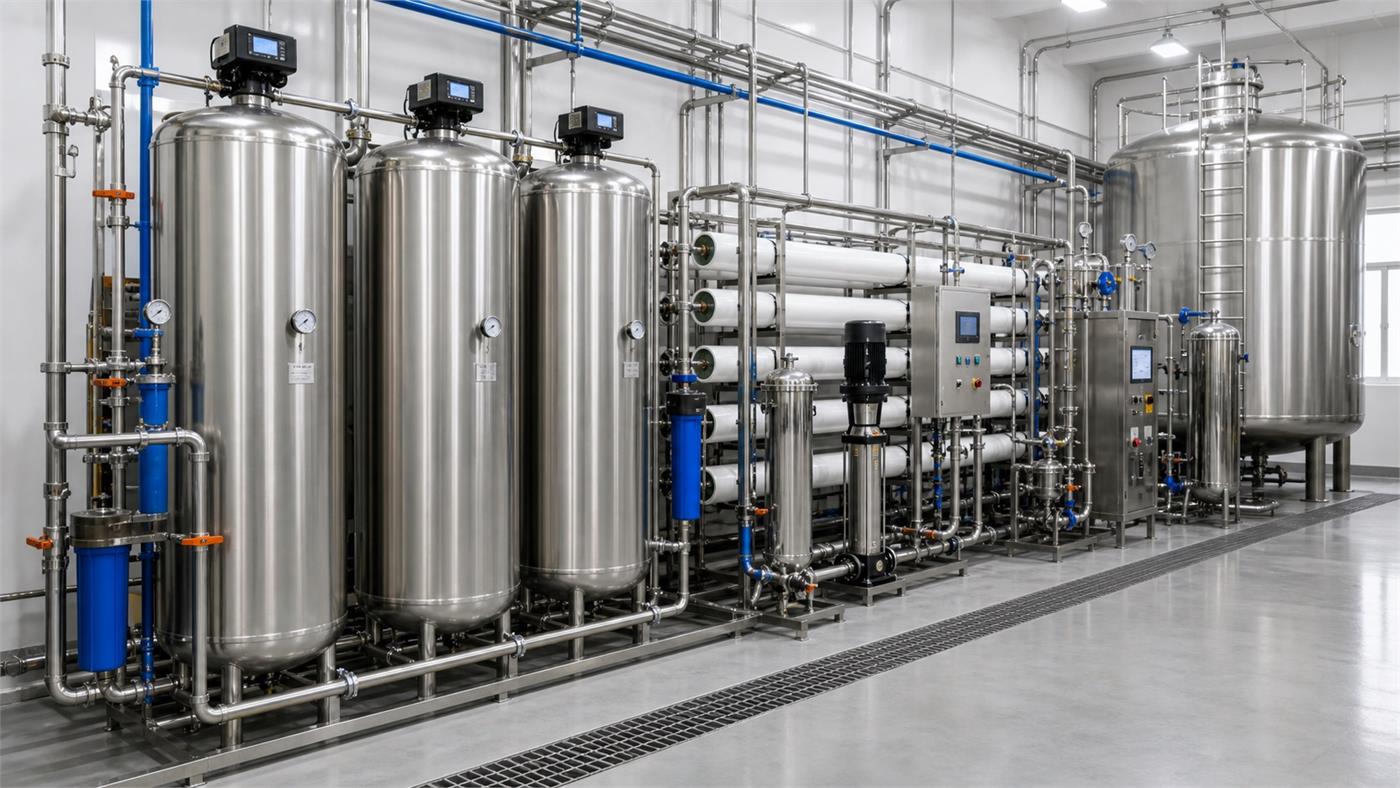
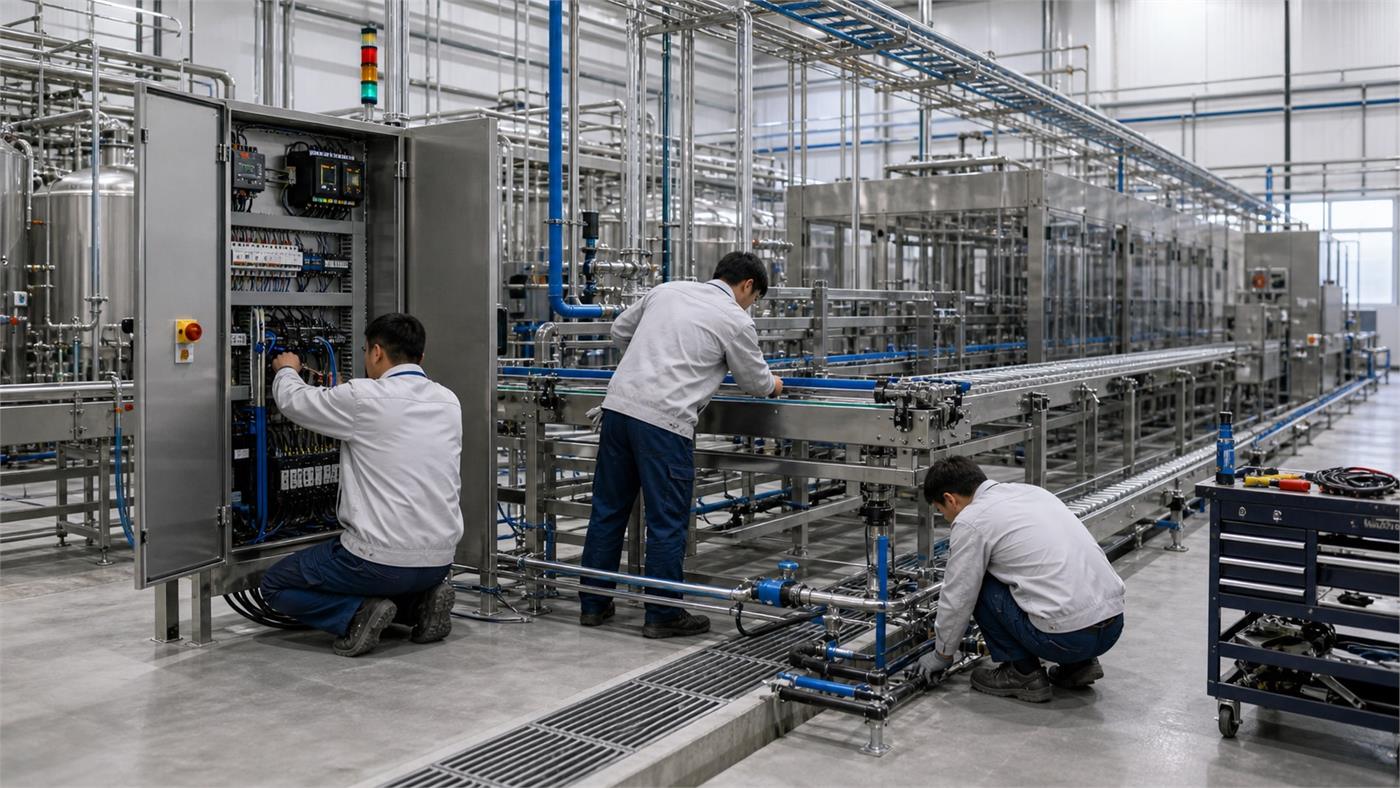
CIP Is a Circuit and Procedure, Not Only a Tank Skid
The cleaning result depends on equipment design, circuit coverage, return conditions, utilities, chemistry, monitoring, operator control and qualified validation for the actual process.
- Circuit and equipment coverage
- Supply and return path
- Monitored cleaning conditions
- Procedure, records and validation owner
Map Every Product-Contact Circuit
Start with the process flow and cleaning boundary. A central or local CIP arrangement must reach the actual tanks, product piping and filler circuits included in the project.
Circuit coverage
Identify tanks, pipes, pumps, valves, filler and any other product-contact equipment.
Supply and return
Confirm hydraulic route, drainability, recovery and separation between circuits.
Monitoring
Define the qualified measurements, alarms, records and instrument responsibilities.
Validation and operation
Assign procedure development, chemical review, verification, training and record control.
CIP System Supplier Scope
Qualified process and hygiene specialists must approve the final parameters. The quotation should make the engineering and validation boundary explicit.
| Decision | What to define | Evidence to request |
|---|---|---|
| Process circuits | List equipment and circuit combinations. | Piping diagram and valve sequence. |
| Cleaning media | Define approved water and chemical responsibility. | Chemical compatibility and procedure basis. |
| Operating conditions | Define qualified flow, temperature, time and concentration monitoring. | Instrument list and control narrative. |
| Utilities and drains | Confirm heating, water, power, air and drainage. | Utility loads and connection schedule. |
| Validation and records | Assign test, sampling, approval and routine record ownership. | Validation protocol and operator records. |
Evidence Needed Before CIP Design
The equipment supplier cannot responsibly define a cleaning process without the actual product-contact system and local hygiene requirements.
Process flow
Provide tanks, piping, filler and product-contact equipment included in cleaning.
Materials and seals
List product-contact materials, elastomers and supplier compatibility information.
Operating schedule
State products, shifts, changeovers, shutdowns and expected cleaning windows.
Site resources
Describe water, heating, drainage, chemical handling, laboratory and trained personnel.
FAQ
What does CIP mean in a bottling plant?
CIP means cleaning in place: cleaning product-contact equipment through defined circuits without routine dismantling of every component.
Does every water bottling line need the same CIP system?
No. Product, equipment design, circuit size, operating schedule and local hygiene requirements change the scope.
Which equipment should be connected to CIP?
The project team should identify every included product-contact tank, pipe, pump, valve, filler circuit and other component.
Who defines CIP temperature and chemicals?
Qualified process, hygiene, chemical and equipment specialists should define and approve conditions for the actual system.
How is CIP performance verified?
Use a documented validation and routine verification plan with approved measurements, sampling, records and corrective actions.
Request a CIP Scope Review
Share what you know now. The goal is to prepare a useful plant brief before a machine quotation is built.