commissioning integration
Water Bottling Line Commissioning and Ramp-Up Plan
Ramp-up turns an installed line into repeatable production. Organize the work around readiness evidence and observed losses, with one approved launch format before expanding the operating range.
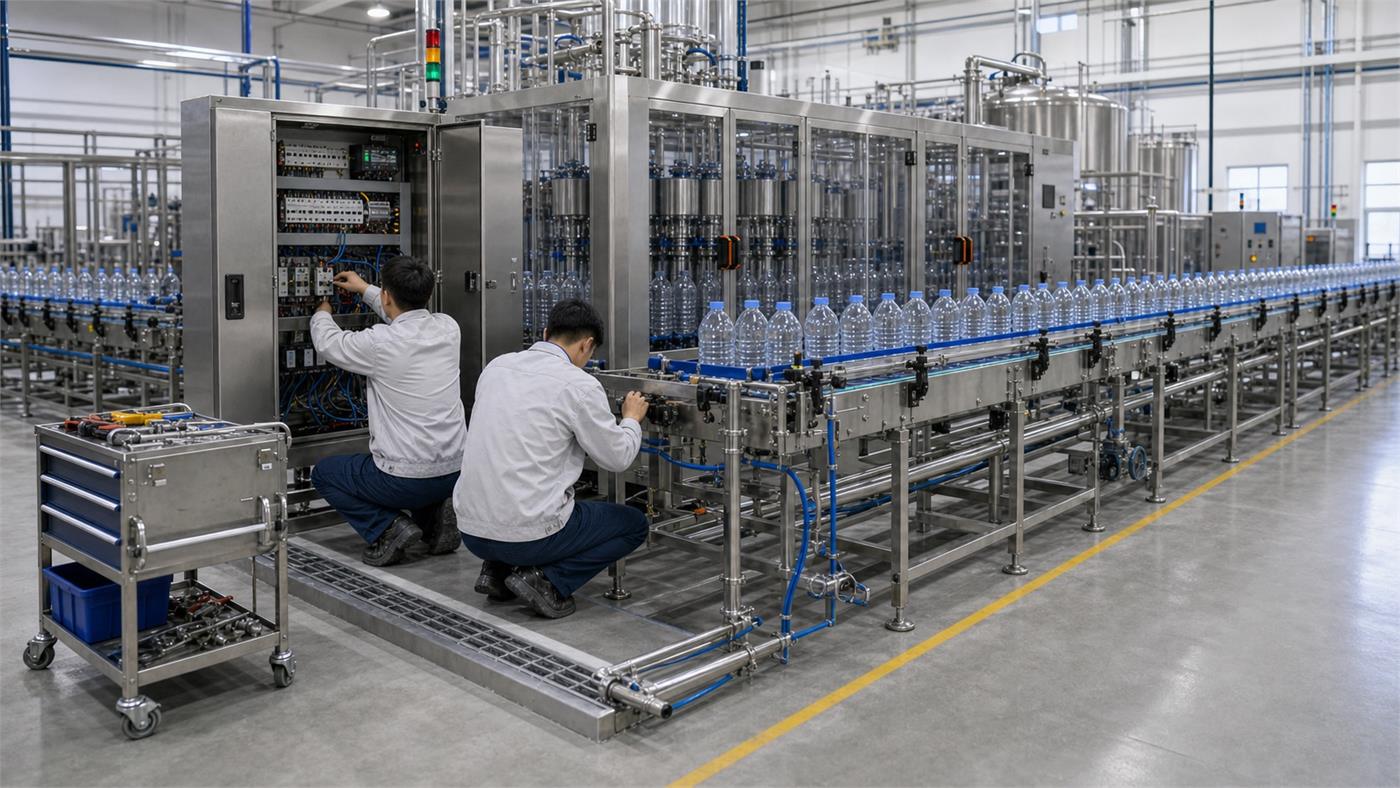
Use Evidence Gates Instead of an Unsupported Timeline
A calendar can reserve people and materials, but it does not prove readiness. Define the conditions for each stage, the responsible owner and the evidence needed to move forward. Leave duration estimates provisional until the installation, utilities, materials and training basis is known.
Start With One Controlled Launch SKU
Choose a bottle, cap, label, code and pack combination with approved references. Confirm the product-water basis and the quality checks that determine accepted output. Keep recipe and material revisions visible in the shift record.
Use the agreed commissioning procedures and authorized operators. Record the limits of any temporary arrangement, and do not treat it as the final production configuration.
Make normal material supply and finished-pack removal part of the trial. A line supplied continuously by extra commissioning staff may perform differently when operated with the planned crew.
Keep a Small Daily Production Record
Record the planned observation window, accepted quantity, rejects, stop events, material shortages, recipe changes and the operating crew. State where output is counted and whether partial packs are excluded.
Use a fixed time basis when comparing shifts. If a day has a different bottle or planned window, show that difference rather than attributing the entire change to improved machine performance.
For an illustrative six-hour window with 24,000 accepted bottles, the elapsed-window rate is 4,000 good BPH. If 45 minutes of stops are removed, the remaining-time rate is about 4,571 BPH. Keep both denominators visible; neither number by itself establishes an acceptance result.
Turn Each Loss Into a Bounded Action
Group observed losses by equipment faults, material supply, package quality, utilities, changeovers and discharge constraints. Keep the recorded state distinct from an unconfirmed explanation.
For each priority loss, name an owner, the proposed correction and the evidence that would show improvement. Recheck on a comparable format and window after the change. Avoid several simultaneous changes that make the result impossible to explain.
A supplier example of this measurement approach is Sidel’s line assessment service, which describes bottleneck and production-loss assessment. Its service description supports the value of measurement; it is not evidence of a result achieved on your line.
Source example: Sidel line assessment services. Accessed September 14, 2026.
Release Additional Formats Deliberately
Introduce the next SKU after confirming its materials, change parts, recipes and acceptance checks. Keep the trial and routine changeover records for that transition.
Expand the schedule using observed good output and transition time. Verify that packing, utilities, replenishment and warehouse movement can support the new production mix.
Close commissioning with the approved operating records, training, maintenance references and an owned open-item register. Continue improvement work with the same measurement definitions so later results remain comparable.
Buyer Questions
How many days should ramp-up take?
There is no project-independent duration. Build the schedule from readiness, equipment scope, approved materials, training, test availability and the work needed to close observed issues.
Should every bottle size start at once?
A controlled launch SKU makes losses easier to identify. Release additional formats through their approved material, recipe, changeover and output checks.
Which output should the daily record use?
Use accepted output at the stated counting point over a defined time window. Record rejects, partial packs and time exclusions so the result can be reconstructed.
What Should a Water Bottling Line Commissioning Plan Control?
Commissioning should turn installed equipment into a controlled production system through documented readiness checks, safe energization, dry and wet trials, material qualification, line balancing, operator training and agreed performance evidence. Shipping completion is not production readiness.
Equipment references for this planning stage
These authentic brochure images help buyers identify the machine categories that may sit inside a complete water bottling line. They are not customer-case evidence and do not fix the final model, output, process, utility load or supplier boundary.
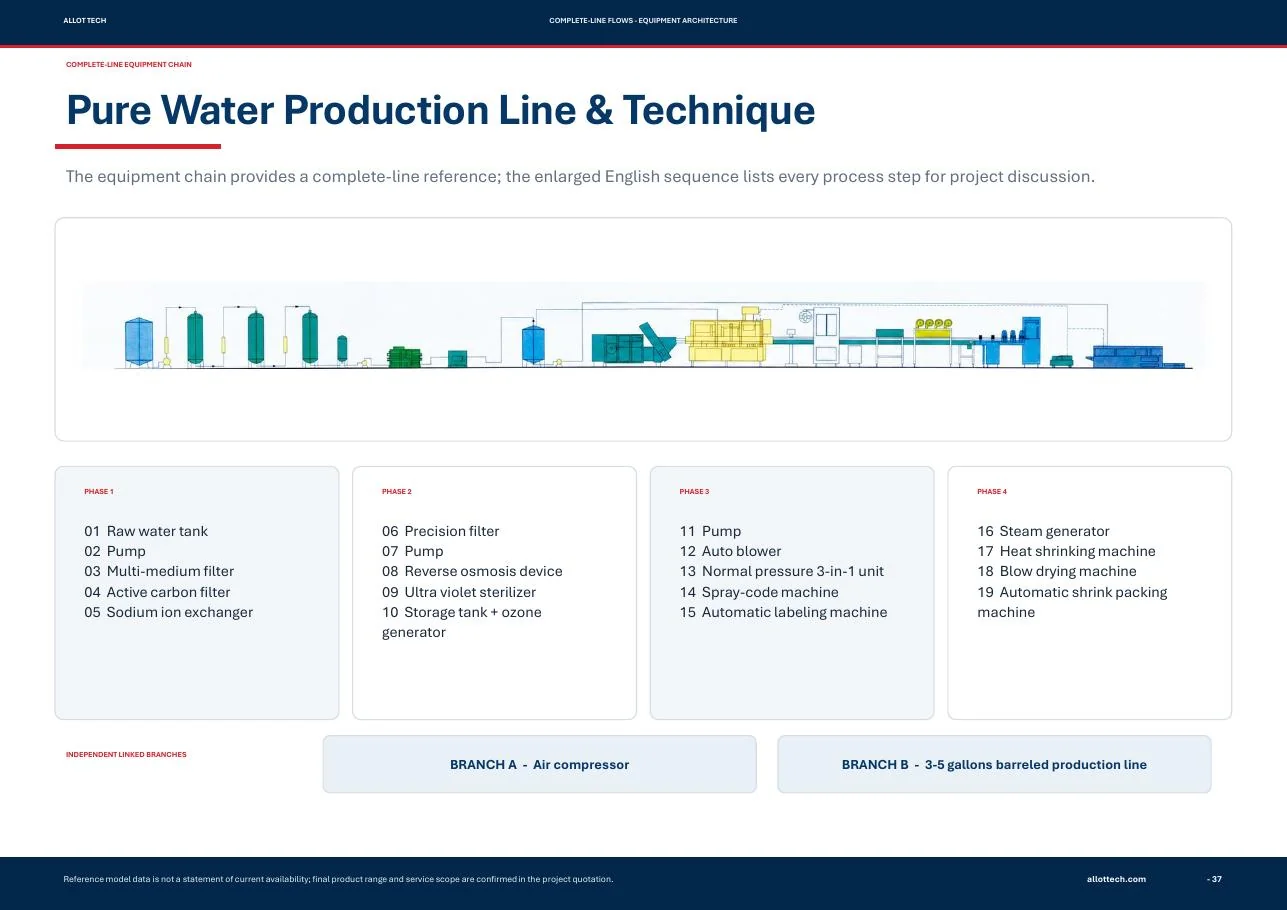
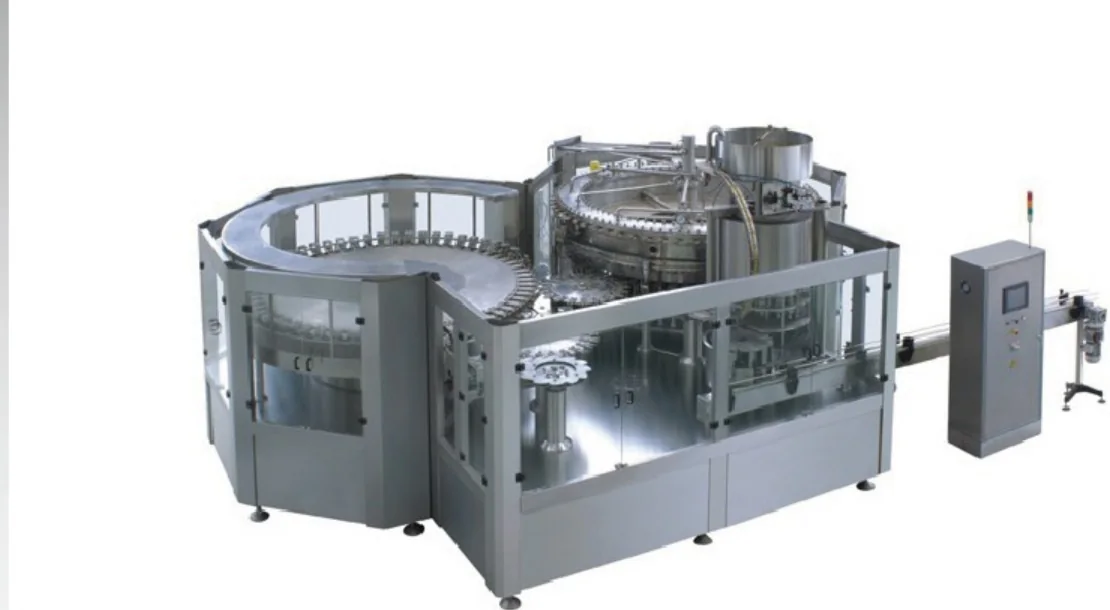
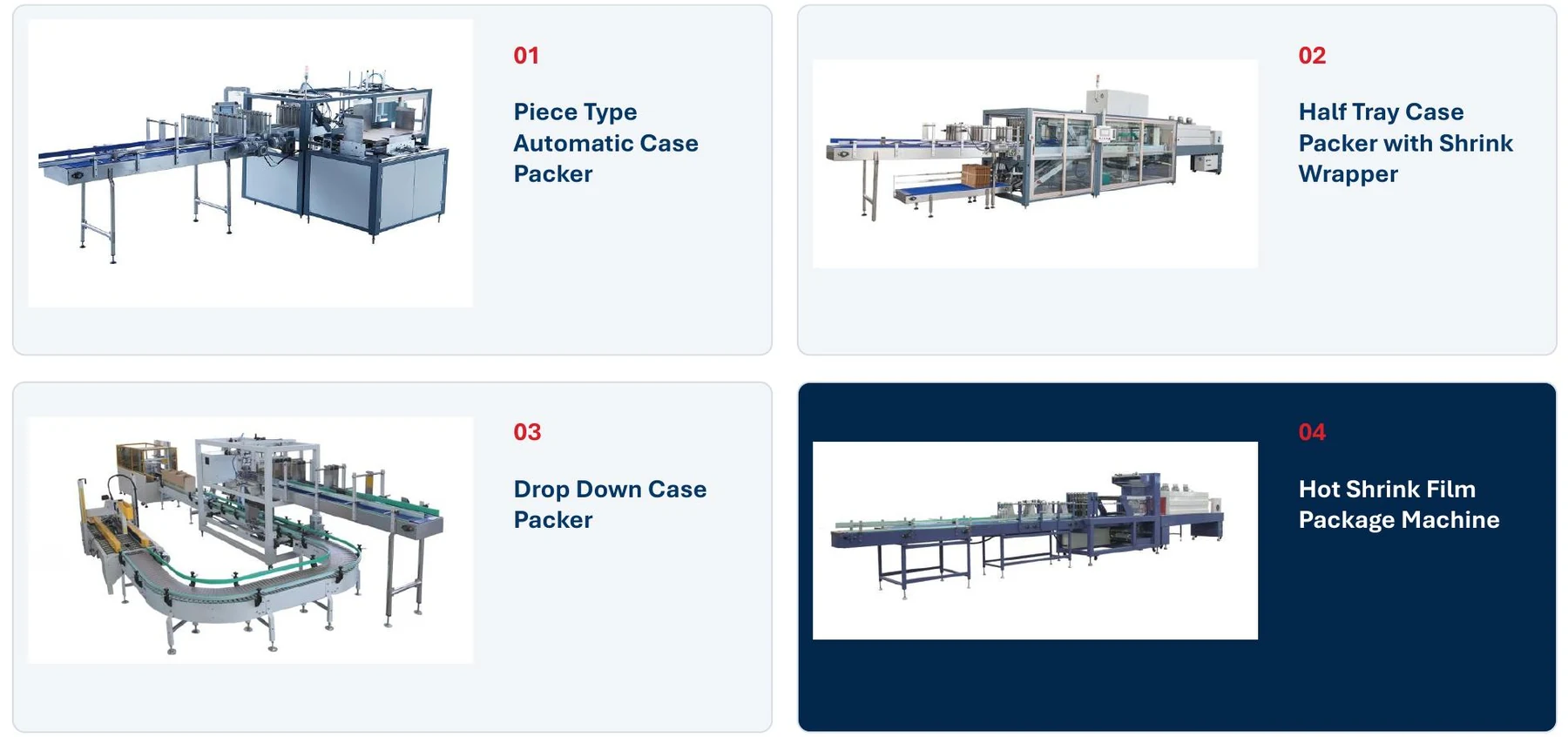
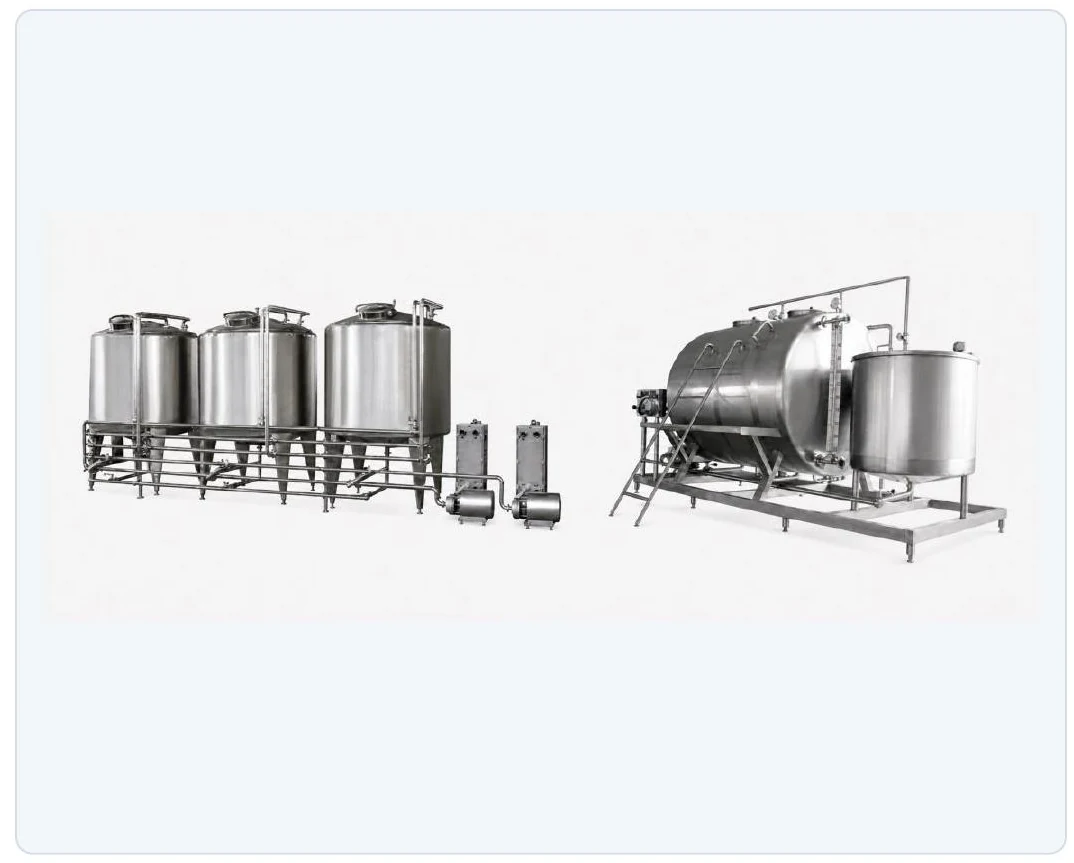
Quotation check: ask the supplier to mark each proposed item as included, optional, buyer supplied or excluded, then connect every item to the preliminary layout and utility schedule.
Questions to answer before requesting price
- Are the site, utilities and production materials ready before supplier travel?
- Which checks must pass before water and packaging materials enter the line?
- How will downtime, rejects, settings and corrective actions be recorded?
- What evidence releases the line from commissioning into routine production?
Buyer-decision content prepared for project clarification. Updated: .
Request a Water Bottling Line Commissioning Ramp-Up Plan Scope Review
Share what you know now. The goal is to prepare a useful plant brief before a machine quotation is built.