Source-to-bottle planning
Mineral Water Bottling Plant: Plan From Source to Finished Bottle
Plan a mineral water bottling plant around the approved source and product definition. Connect source-water evidence, treatment limits, hygienic storage, filling, packaging, quality controls, factory layout and supplier responsibility before requesting a complete line proposal.
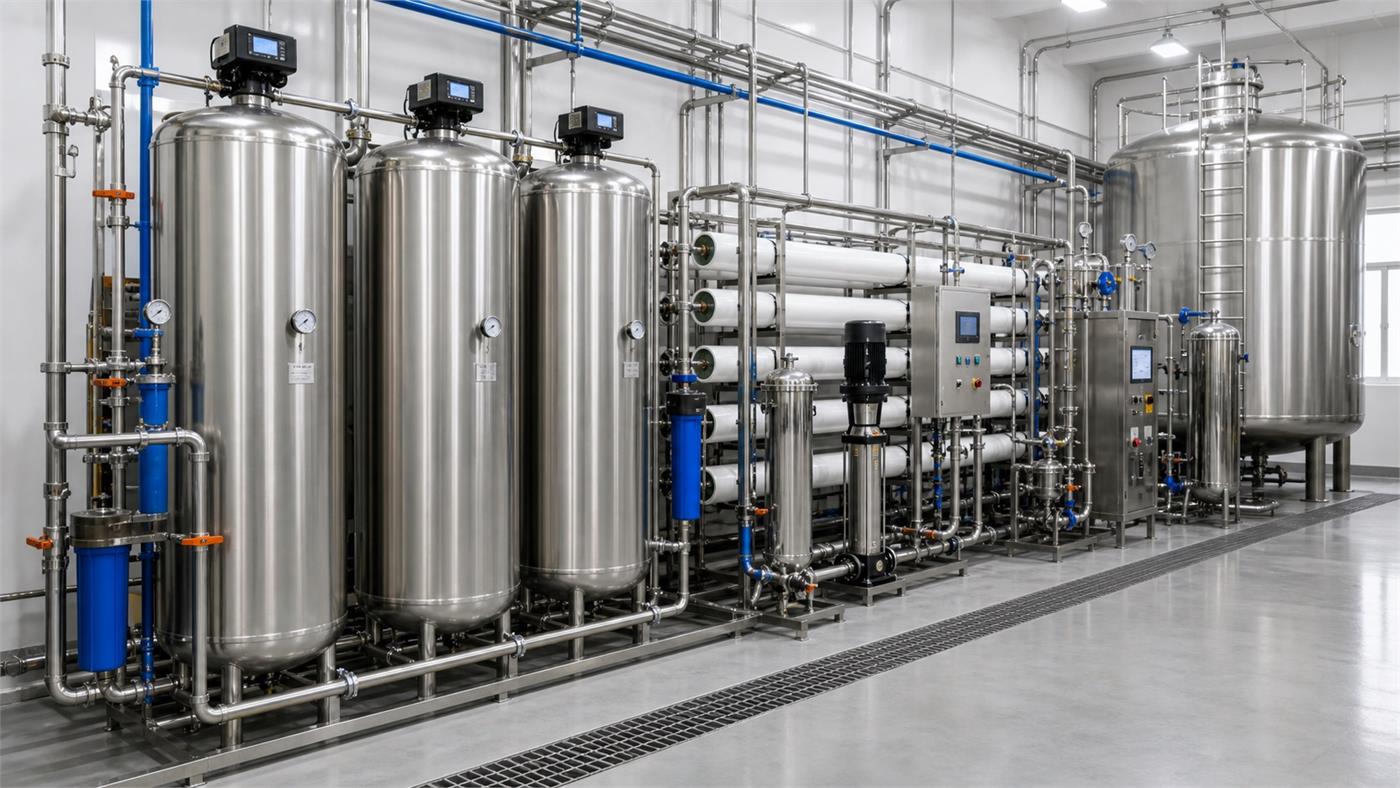
Do Not Copy a Purified-Water Treatment Template
Natural mineral water, spring water and purified water can be different product categories. Confirm the intended market definition and source-water evidence before selecting treatment, storage, piping or filling equipment.
- Source identity and laboratory evidence
- Product category and destination market
- Treatment limits and hygienic transfer
- Approved bottle, cap, label and pack route
What a Mineral Water Bottling Plant Must Define
A responsible mineral water plant proposal begins with product and source evidence. The filling line is selected after those boundaries are clear.
Product definition
State whether the planned product is natural mineral water, spring water, another source-defined water or purified bottled water. Do not use the labels interchangeably without local review.
Source-water evidence
Prepare available source description, laboratory reports, seasonal information and permits or authority requirements. Final testing should be confirmed locally.
Treatment philosophy
Ask a qualified treatment designer to explain which processes are necessary, which characteristics they change and how the proposal supports the approved product definition.
Hygienic storage and transfer
Plan tanks, pumps, product piping, vents, cleaning, drainage and the route to filling so treated or approved water is protected from recontamination.
Bottle and closure system
Approve PET or glass bottles, neck finish, caps, bottle handling and closure application for the launch product and distribution route.
Label and product claims
Prepare market-specific product name, source statement, composition or other required information with qualified local regulatory review before artwork approval.
Quality-control plan
Define sampling points, source and finished-product checks, packaging inspections, cleaning records, deviations and release responsibility.
Supplier responsibility
Separate equipment supply from buyer-side source development, local permits, laboratory work, civil work, utilities and product approval.
Mineral, Spring and Purified Water Need Different Questions
These labels can have market-specific legal meanings. Use the table to prepare supplier questions, then confirm the final category and process with qualified local authorities and specialists.
| Planning route | Questions to resolve | Do not assume |
|---|---|---|
| Natural mineral water | What source status, composition evidence, permitted treatment and product claims apply in the destination market? | That a generic RO plant preserves the intended mineral-water identity. |
| Spring or source water | How is the source defined, protected, tested and transferred, and which treatments are permitted for the intended claim? | That every spring-water project follows the same process or label rules. |
| Purified bottled water | Which raw-water conditions and finished-water requirements define filtration, RO or other purification and disinfection? | That treatment scope can be selected without a water report and production basis. |
| Multiple water products | Can tanks, piping, filler, cleaning and packaging systems be shared without cross-product or claim-control problems? | That one recipe or one treatment route is automatically suitable for every product. |
Eight Planning Gates Before Machine Approval
Use these gates to keep water-source, product, equipment and factory decisions in the correct order.
1. Confirm source status
Clarify source ownership or access, dependable yield, protection, testing route and required local permissions before relying on the source for plant capacity.
2. Establish product basis
Define still or sparkling product, intended market category, launch bottle formats and distribution requirements.
3. Review water evidence
Use qualified laboratory results and specialist review to identify risks, variability and the information needed for process design.
4. Approve treatment boundary
Document each proposed step, its purpose, product impact, monitoring method, waste or utility consequence and any open regulatory question.
5. Design hygienic transfer
Connect source reception, treatment where required, storage, pumps, piping and filling with cleanability, drainage, access and controlled interfaces.
6. Select line architecture
Choose purchased bottles, standalone blowing or integrated PET architecture; then match filling, caps, labels, packing and conveyors.
7. Define quality and acceptance
Agree source and product checks, packaging samples, sanitation records, FAT and SAT evidence, training and unresolved-item closure.
8. Freeze supplier scope
Approve an itemized equipment list, layout, utilities, interfaces, documents, spares, service terms and buyer-side responsibility matrix.
Mineral Water Plant Equipment and Responsibility Checklist
A complete-line title is useful only when every system and responsibility is visible. Request supplier-specific data instead of copying generic engineering values.
| Workstream | Scope to define | Evidence or decision needed |
|---|---|---|
| Source reception | Intake, raw-water storage or direct transfer, pumps, protection and sampling access. | Source description, available analysis, flow basis and local approvals. |
| Treatment and disinfection | Project-specific filtration or other treatment, disinfection, instruments, sanitation and waste route. | Treatment rationale, process flow, equipment list and approved product boundary. |
| Product storage and piping | Hygienic tanks, vents, pumps, product-contact piping, cleaning and filler connection. | Layout, material specification, cleaning method and responsibility list. |
| Bottle supply | Purchased PET bottles, preforms and blowing, or glass bottle handling. | Approved drawings or samples, molds, air and cooling scope, storage and transfer route. |
| Filling and capping | Product application, bottle range, cap handling, drainage, guarding and controls. | Approved samples, filling basis, sanitation method, FAT and SAT protocol. |
| Labeling and packing | Product artwork, label material, coding, film, tray or carton pack and pallet route. | Approved materials, pack arrangement, changeovers and finished-pack checks. |
| Utilities and building | Power, air, cooling, water, drains, ventilation, room separation and access. | Supplier connection schedule plus qualified local engineering. |
| Documents and support | Drawings, manuals, parts, training, installation, acceptance and lifecycle support. | Dated deliverable list, service boundary and open-item register. |
Decisions That Change the Mineral Water Line Architecture
Capacity should be evaluated across the source, process, packaging and warehouse, not only at the filler.
Source yield and schedule
Confirm whether the dependable source and storage plan can support launch output, sanitation time and future growth.
Still or sparkling water
Carbonation changes product preparation, filling method, bottle pressure requirements and controls. Treat it as a defined product route.
PET bottle route
Purchased bottles can simplify startup; in-house blowing adds preforms, molds, high-pressure air, cooling, space and maintenance.
Glass bottle route
New or returnable glass changes bottle inspection, washing where applicable, filling, closure, conveying, packing and logistics.
Bottle-size family
Every bottle drawing, neck finish, cap, label and pack should be approved. Volume alone does not prove machine compatibility.
End-of-line capacity
Labeling, coding, pack formation, pallet movement and warehouse space must support the same agreed output basis.
Changeover strategy
List launch formats and likely future products, then request change parts, recipes, cleaning, release checks and storage.
Expansion reserve
Protect utility margin, treatment and storage space, conveyor access and a realistic route for future capacity or packaging formats.
Information to Send for a Mineral Water Bottling Plant Proposal
A common buyer brief helps suppliers return comparable technical and commercial scopes.
| Brief section | Buyer input | Supplier response |
|---|---|---|
| Market and product | Destination market, intended water category, still or sparkling products and launch plan. | Application assumptions, limitations, open regulatory questions and required approvals. |
| Source and water data | Source description, available reports, seasonal notes, source-to-plant route and planned daily schedule. | Treatment questions, process assumptions, storage basis and information still required. |
| Containers and packs | PET or glass, bottle drawings or samples, caps, labels, codes, multipacks and pallet route. | Approved range, machine selection, change parts, material assumptions and sample plan. |
| Capacity basis | BPH by bottle, shifts, sanitation and changeover plan, expected growth and source-flow limits. | Balanced-line basis, identified constraints, accumulation and expansion provisions. |
| Factory and utilities | Site plan, rooms, doors, columns, floor, drains, power, air, cooling, access and warehouse route. | Preliminary layout, connection schedule, buyer-side work and unresolved site requirements. |
| Acceptance and support | Desired documents, FAT, SAT, training, installation, spares and support expectations. | Test protocol, deliverable schedule, service boundary and open-item closure process. |
FAQ
What is different about planning a mineral water bottling plant?
The project begins with the legally permitted product category and evidence for the water source. Treatment, storage, transfer, filling and labeling must protect the approved product characteristics and follow the destination market’s requirements.
Does a mineral water bottling plant always need reverse osmosis?
No. Reverse osmosis can change dissolved minerals and may conflict with the intended product definition. Treatment must follow source-water evidence, qualified process design and applicable local rules rather than a generic purified-water template.
What source-water information should I provide to a supplier?
Provide the source type and location, available laboratory reports, seasonal information, planned product description and any permits or local authority requirements. A qualified local laboratory and relevant specialists should confirm the final testing program.
Can spring water and purified water use the same bottling line?
Some bottle handling, filling and packing equipment may be shared when the products, sanitation procedure and legal requirements allow it. Treatment routes, tanks, piping, product claims and change-control responsibilities still need separate approval.
What equipment is included in a mineral water bottling line?
A project may include source-water reception, project-specific treatment, hygienic storage and transfer, bottle supply, rinsing, filling, capping, labeling, coding, packing, conveyors, quality-control points and utilities. Every quotation should identify inclusions and buyer-side work.
Should mineral water be bottled in PET or glass?
Both can be valid depending on product positioning, distribution, returnable-pack strategy, local market and plant capability. Confirm bottle, closure, label, secondary pack, handling and changeover requirements before selecting the line architecture.
How should the mineral profile be protected during production?
Use an approved treatment and sanitation plan, suitable product-contact materials, hygienic storage and transfer, controlled cleaning, source and finished-product testing, and documented release decisions. The exact controls are project-specific.
What should be checked before choosing mineral water plant capacity?
Review licensed or dependable source yield, treatment and storage flow, bottle sizes, market demand, shifts, packing speed, warehouse movement, utilities and future expansion. Filler BPH alone is not a complete capacity basis.
Can a China supplier provide a complete mineral water bottling line?
A supplier can propose a coordinated equipment scope, but the buyer must still provide source-water evidence, product and packaging requirements, factory conditions and local compliance inputs. Final responsibilities should be written into the technical and commercial scope.
What should I request before approving a mineral water plant quotation?
Request an itemized process and equipment scope, approved product and packaging basis, preliminary layout, utility schedule, treatment assumptions, interface list, testing and acceptance plan, documents, spares, training and a clear supplier-versus-buyer responsibility matrix.
Request a Mineral Water Plant Scope Review
Share what you know now. The goal is to prepare a useful plant brief before a machine quotation is built.