treatment planning question
What should be checked before an RO system in a bottled water plant?
RO pretreatment protects membranes from suspended solids, scaling, oxidants, fouling and unsuitable operating conditions. The exact stages and chemical controls must follow water analysis, membrane requirements and qualified design.
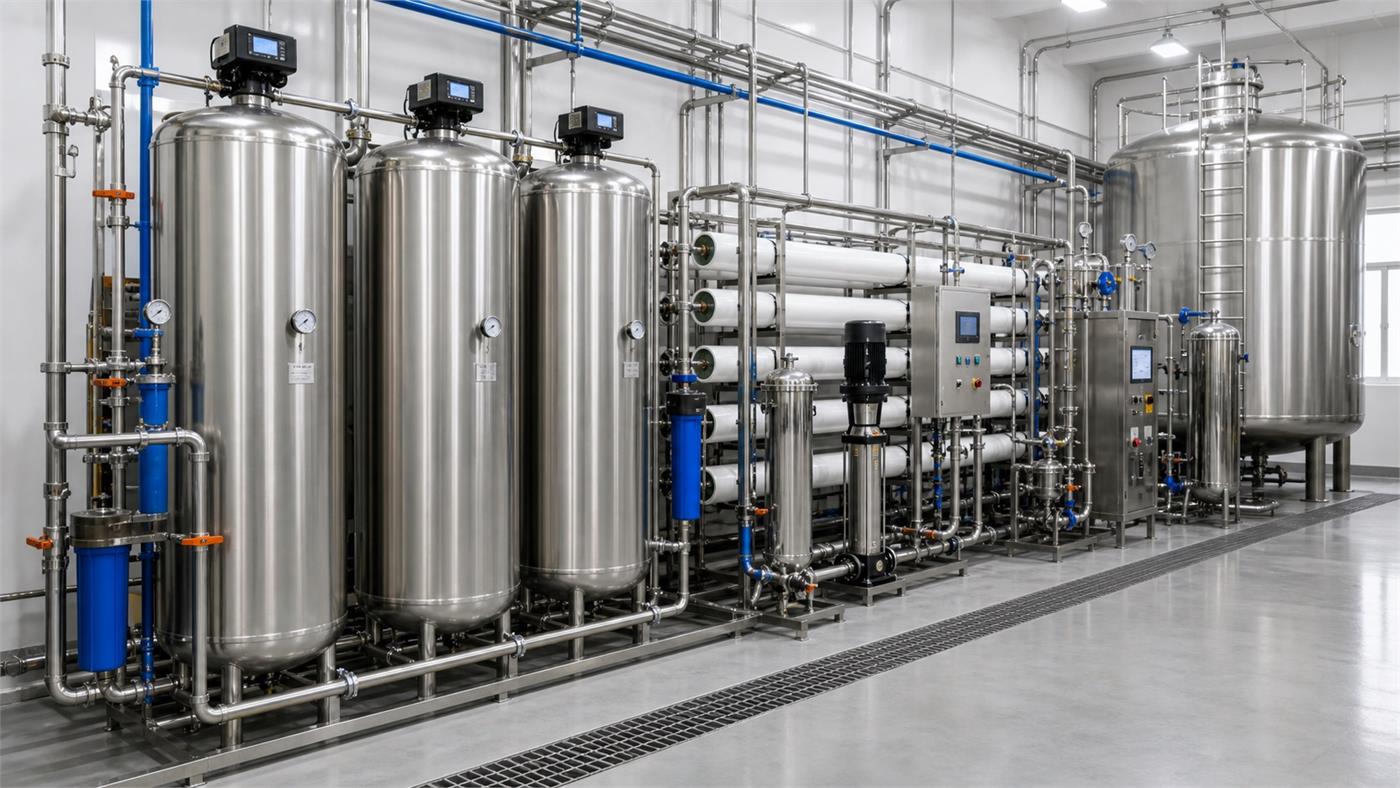
Reverse Osmosis Pretreatment Checklist
RO pretreatment protects membranes from suspended solids, scaling, oxidants, fouling and unsuitable operating conditions. The exact stages and chemical controls must follow water analysis, membrane requirements and qualified design. Use the checklist below to turn the question into a supplier-ready decision without relying on universal figures or unverified claims.
- Feed flow and recovery goal
- Water analysis
- Operating hours
- Reject-water route
Decisions Behind Reverse Osmosis Pretreatment Checklist
Define these items against the real product, package, site and production plan before comparing equipment or supplier proposals.
Feed-water risks
Identify solids, hardness, metals and oxidants
Filtration
Define media and cartridge responsibilities
Chemical control
Document dosing and monitoring
Operating protection
Plan alarms, flushing and sanitation
Reverse Osmosis Pretreatment Checklist Supplier Evidence Matrix
Use the matrix to separate buyer inputs, supplier commitments and evidence that can be checked during design review, FAT, installation or operation.
| Decision | What to define | Evidence to request |
|---|---|---|
| Feed-water risks | Identify solids, hardness, metals and oxidants | Feed-water analysis |
| Filtration | Define media and cartridge responsibilities | Pretreatment process diagram |
| Chemical control | Document dosing and monitoring | Membrane design basis |
| Operating protection | Plan alarms, flushing and sanitation | Control and sanitation procedure |
Project Inputs for Reverse Osmosis Pretreatment Checklist
Incomplete inputs force suppliers to make assumptions. Mark unknown items openly and assign the next action instead of hiding the gap.
Feed flow and recovery goal
Provide current, project-specific information for RO pretreatment checklist so the supplier can state assumptions and remaining decisions.
Water analysis
Provide current, project-specific information for RO pretreatment checklist so the supplier can state assumptions and remaining decisions.
Operating hours
Provide current, project-specific information for RO pretreatment checklist so the supplier can state assumptions and remaining decisions.
Reject-water route
Provide current, project-specific information for RO pretreatment checklist so the supplier can state assumptions and remaining decisions.
FAQ
What should be checked before an RO system in a bottled water plant?
RO pretreatment protects membranes from suspended solids, scaling, oxidants, fouling and unsuitable operating conditions. The exact stages and chemical controls must follow water analysis, membrane requirements and qualified design.
Which inputs are needed for RO pretreatment checklist?
Start with Feed flow and recovery goal, Water analysis, Operating hours, Reject-water route. The selected supplier and qualified local specialists must confirm the final project basis.
What evidence should a supplier provide for RO pretreatment checklist?
Request Feed-water analysis, Pretreatment process diagram, Membrane design basis, Control and sanitation procedure. Compare evidence against the same approved product, package, capacity and site conditions.
What is a common mistake when planning RO pretreatment checklist?
A common mistake is accepting a generic answer without defining the actual bottle, product, output, utilities, interfaces and acceptance method for the project.
How does RO pretreatment checklist connect to a complete water bottling line?
It affects adjacent equipment, controls, utilities, layout, quality checks or operating responsibilities. Record those interfaces in the complete-line scope and responsibility matrix.
Request a Reverse Osmosis Pretreatment Checklist Scope Review
Share what you know now. The goal is to prepare a useful plant brief before a machine quotation is built.