sustainability integration
Bottled Water Plant Water Recovery and Reuse Planning
Water recovery starts with a measured plant water balance that separates product water, treatment reject, rinsing, cleaning, cooling and utility streams. Reuse is only considered after quality, segregation, treatment, storage and local requirements are reviewed.
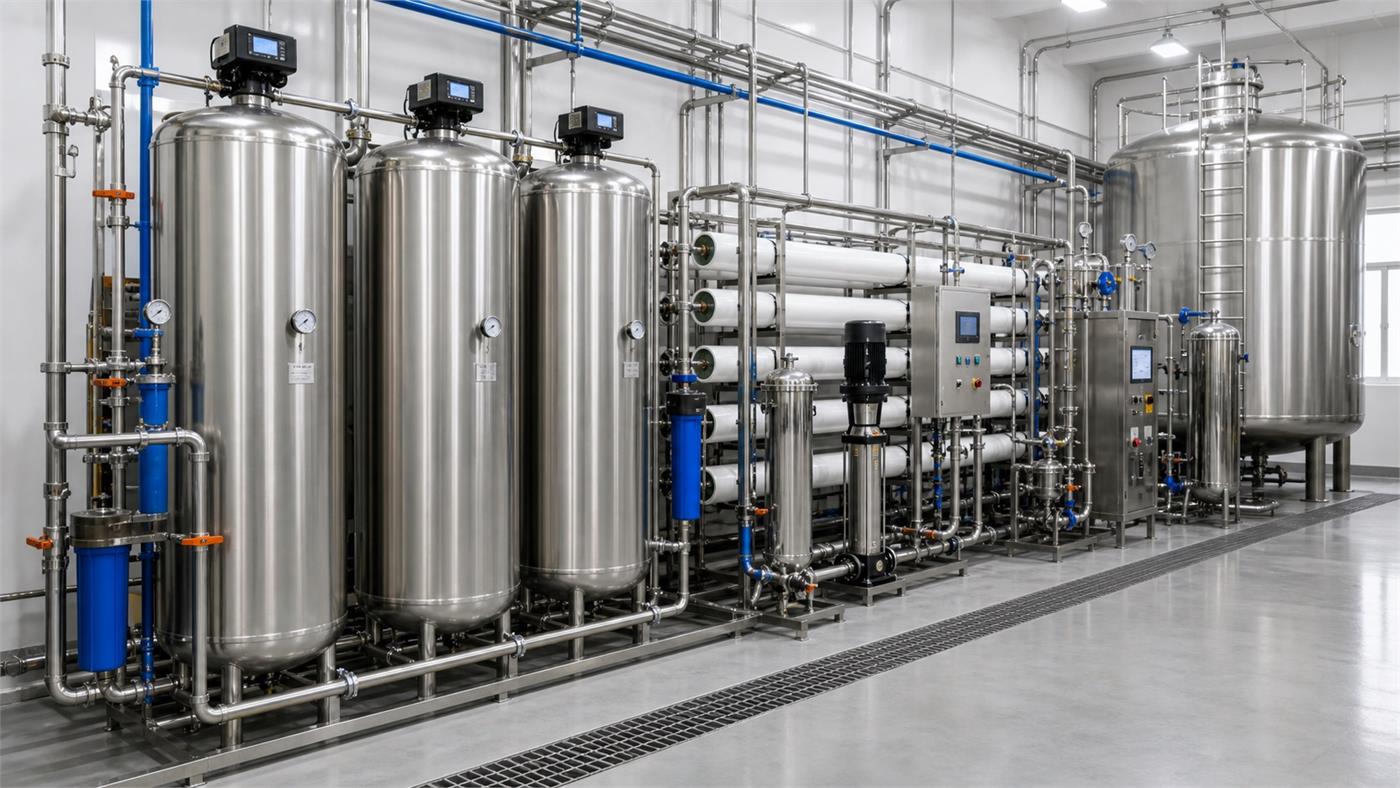
Measure Every Stream Before Proposing Reuse
Water recovery starts with a measured plant water balance that separates product water, treatment reject, rinsing, cleaning, cooling and utility streams. Reuse is only considered after quality, segregation, treatment, storage and local requirements are reviewed. Use the following decision and evidence framework to compare suppliers on one approved project basis.
- Water-balance boundary
- Stream quality and variability
- Permitted reuse destination
- Storage, treatment and monitoring
Four Decisions for Bottled Water Plant Water Recovery and Reuse
Confirm the package, operating condition, machine interfaces and owner responsibilities before comparing price or delivery.
Baseline
Meter incoming water and major consuming or discharge streams under defined production conditions
Segregation
Keep streams identifiable so cleaner water is not mixed with unsuitable discharge
Reuse case
Define a non-product or other qualified destination, treatment need and local approval boundary
Control
Plan tanks, overflow, diversion, monitoring, cleaning and response to off-spec conditions
Bottled Water Plant Water Recovery and Reuse Supplier Evidence Matrix
Require written evidence for each decision so the item can be integrated into the complete line and accepted under defined conditions.
| Decision | What to define | Evidence to request |
|---|---|---|
| Baseline | Meter incoming water and major consuming or discharge streams under defined production conditions | Measured water balance |
| Segregation | Keep streams identifiable so cleaner water is not mixed with unsuitable discharge | Stream characterization table |
| Reuse case | Define a non-product or other qualified destination, treatment need and local approval boundary | Reuse risk and treatment review |
| Control | Plan tanks, overflow, diversion, monitoring, cleaning and response to off-spec conditions | Control and monitoring plan |
Project Inputs for Bottled Water Plant Water Recovery and Reuse
These project-specific inputs help suppliers replace assumptions with an engineered and comparable scope.
Source and treatment data
Provide raw-water quality, recovery, backwash and reject information
Production schedule
State bottles, shifts, cleaning, changeovers and seasonal conditions
Drain map
Identify current collection points, mixed streams and discharge routes
Local review
Identify qualified water, food-safety and environmental reviewers
FAQ
Can RO reject water be reused?
Potential reuse depends on its quality, variability, treatment chemistry, destination and local requirements; it should not be assumed suitable.
Which water streams should be measured?
Measure source input, product, treatment losses, rinsing, cleaning, cooling, utilities and significant discharge streams.
Can recovered water contact product or packaging?
Any such use requires qualified risk assessment, treatment, validation and compliance with applicable requirements.
Why is stream segregation important?
It preserves information and may prevent a relatively clean stream from being mixed with unsuitable wastewater.
How is a reuse project accepted?
Verify flow, quality, diversion, storage, treatment, monitoring, alarms and documented operating limits.
Request a Bottled Water Plant Water Recovery and Reuse Scope Review
Share what you know now. The goal is to prepare a useful plant brief before a machine quotation is built.