Closure handling
Water Bottle Cap Feeding and Capping System
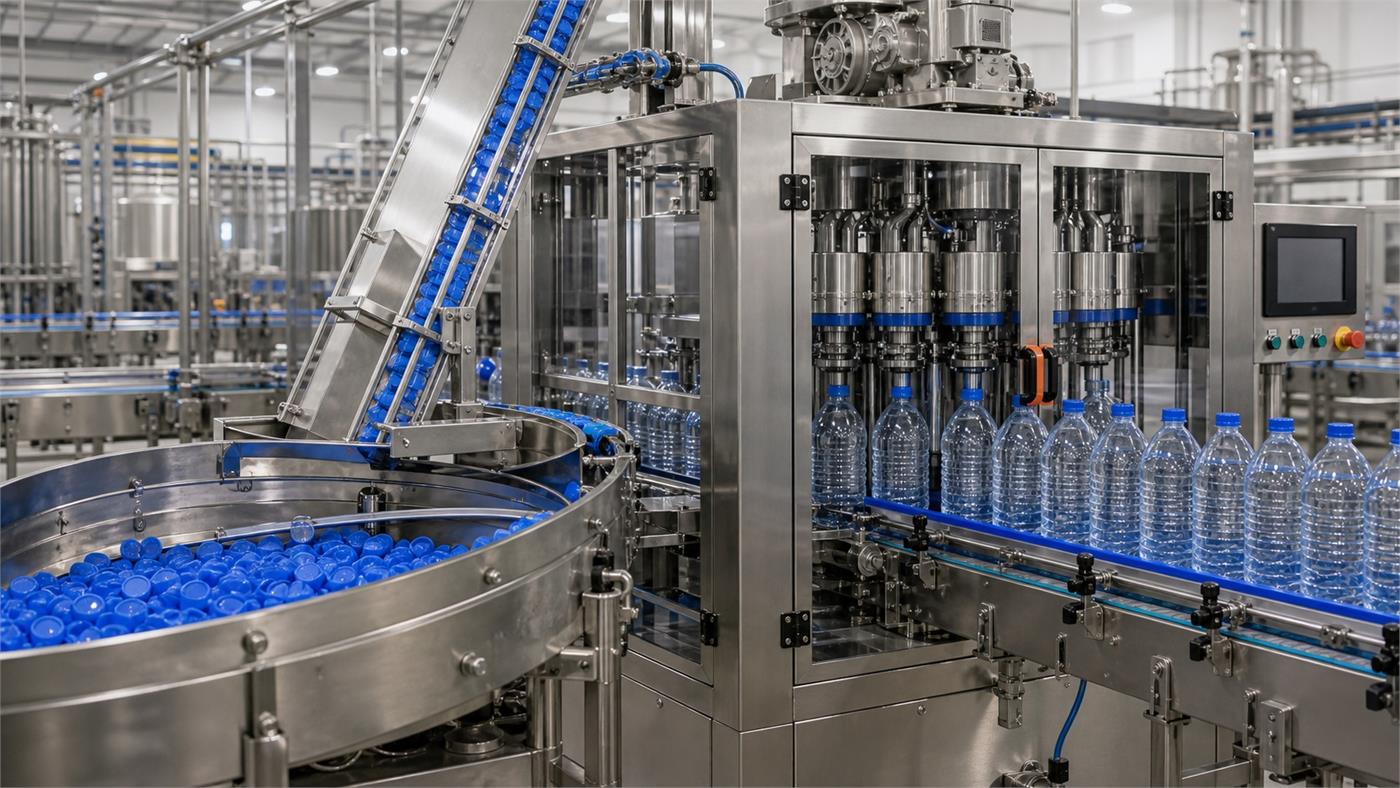
Connect cap storage, elevation, sorting, feeding and application to the approved bottle closure instead of treating the capper as an isolated machine head.
A Correct Cap Starts Before the Capping Head
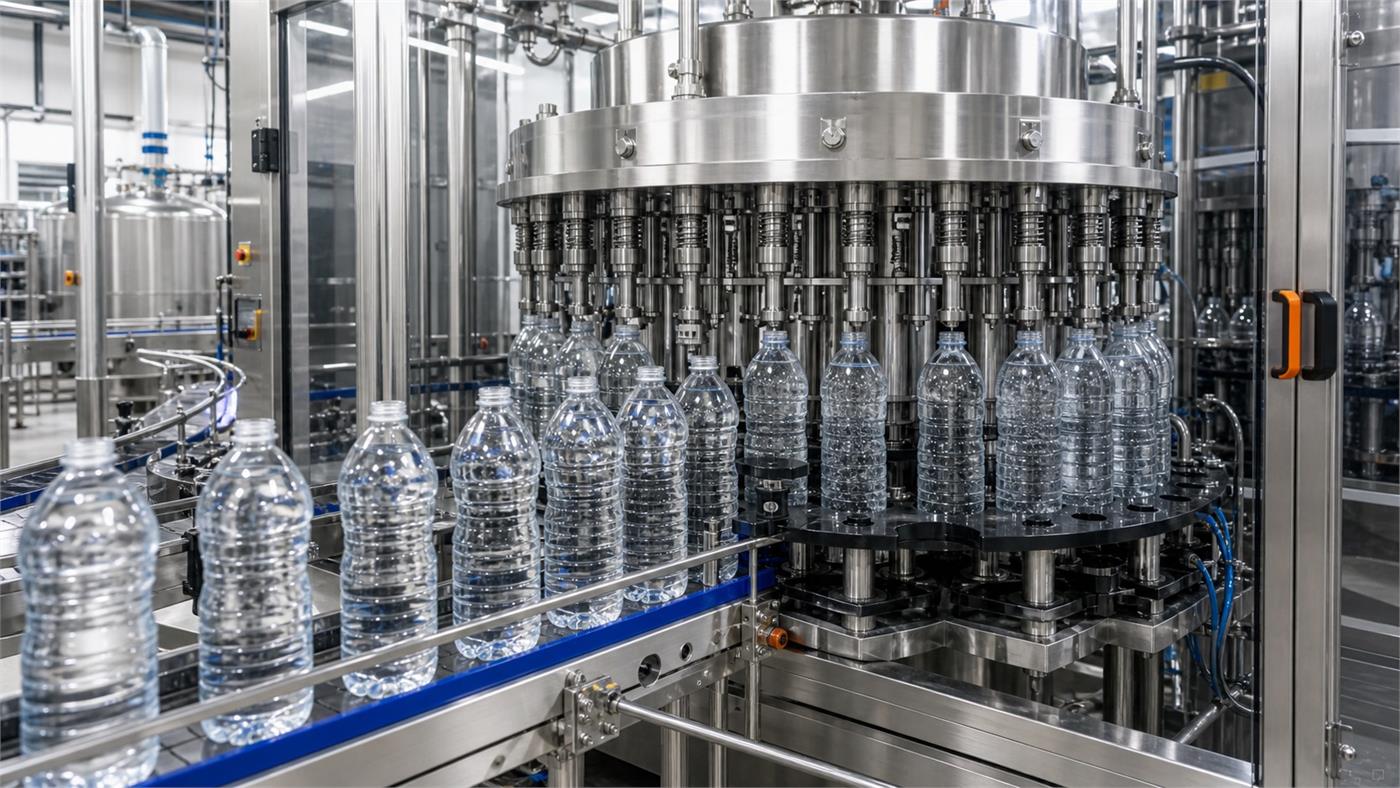
Cap geometry, cleanliness, bulk handling, orientation, chute design and line speed all affect whether the closure reaches the bottle correctly and can be checked after application.
- Approved cap drawing and samples
- Bulk storage and loading method
- Sorter, chute and machine interface
- Closure checks, rejects and spare parts
Define the Complete Cap Route
A filler may include a capping turret while the elevator, sorter, chute or inspection remains optional. Put every boundary in the quotation.
Cap specification
Approve dimensions, thread, material, tamper evidence and color variants.
Bulk handling
Define cap storage, loading height, operator access and contamination controls.
Orientation and feed
Match the sorter and chute to cap geometry, speed and changeover needs.
Application and checks
Define cap presence, application control, reject method and sampling plan.
Cap Feeding and Capping RFQ
Use actual cap evidence and a written closure-check plan.
| Decision | What to define | Evidence to request |
|---|---|---|
| Cap range | List every launch and future closure. | Drawings, production samples and compatibility record. |
| Feeding scope | Define elevator, hopper, sorter, chute and sensors. | Itemized equipment and interface drawing. |
| Changeover | State parts, settings and stored recipes required. | Change-part list and procedure. |
| Inspection | Define cap presence, position, tamper evidence and rejects. | Inspection method and reject confirmation. |
| Spares and wear | Identify guides, belts, sensors and application parts. | Startup and recommended spare-parts list. |
Cap Evidence to Send
Closure selection must be coordinated with the bottle neck, filler and finished-package requirements.
Cap drawings and samples
Provide production caps from the intended supplier, not only nominal dimensions.
Bottle neck evidence
Share the approved neck finish and bottle samples used for closure trials.
Operating plan
State speed, shifts, cap variants and expected changeover frequency.
Quality checks
Describe torque or other qualified closure checks and record responsibility.
FAQ
Is a cap feeder included with every water filling machine?
Not always. The quotation should separately identify the hopper, elevator, sorter, chute, sensors and machine interface.
Why are cap samples required?
Real samples help confirm geometry, orientation, feeding behavior, application and compatibility with the bottle neck.
Can one system run different caps?
Possibly, but the supplier must identify compatible ranges, change parts, settings and the test basis for each cap.
What closure checks should be planned?
Define presence, position, tamper evidence, application quality, reject handling and any qualified sampling method.
Which cap-system spares matter at startup?
Request an itemized list for wear parts, guides, belts, sensors and application components based on the supplied design.
Request a Cap System Scope Review
Share what you know now. The goal is to prepare a useful plant brief before a machine quotation is built.