Complete project delivery
Turnkey Water Bottling Line Project Lifecycle
Plan a turnkey water bottling line from requirements and supplier scope through engineering approvals, FAT, site readiness, installation, training, handover, spare parts and lifecycle support.
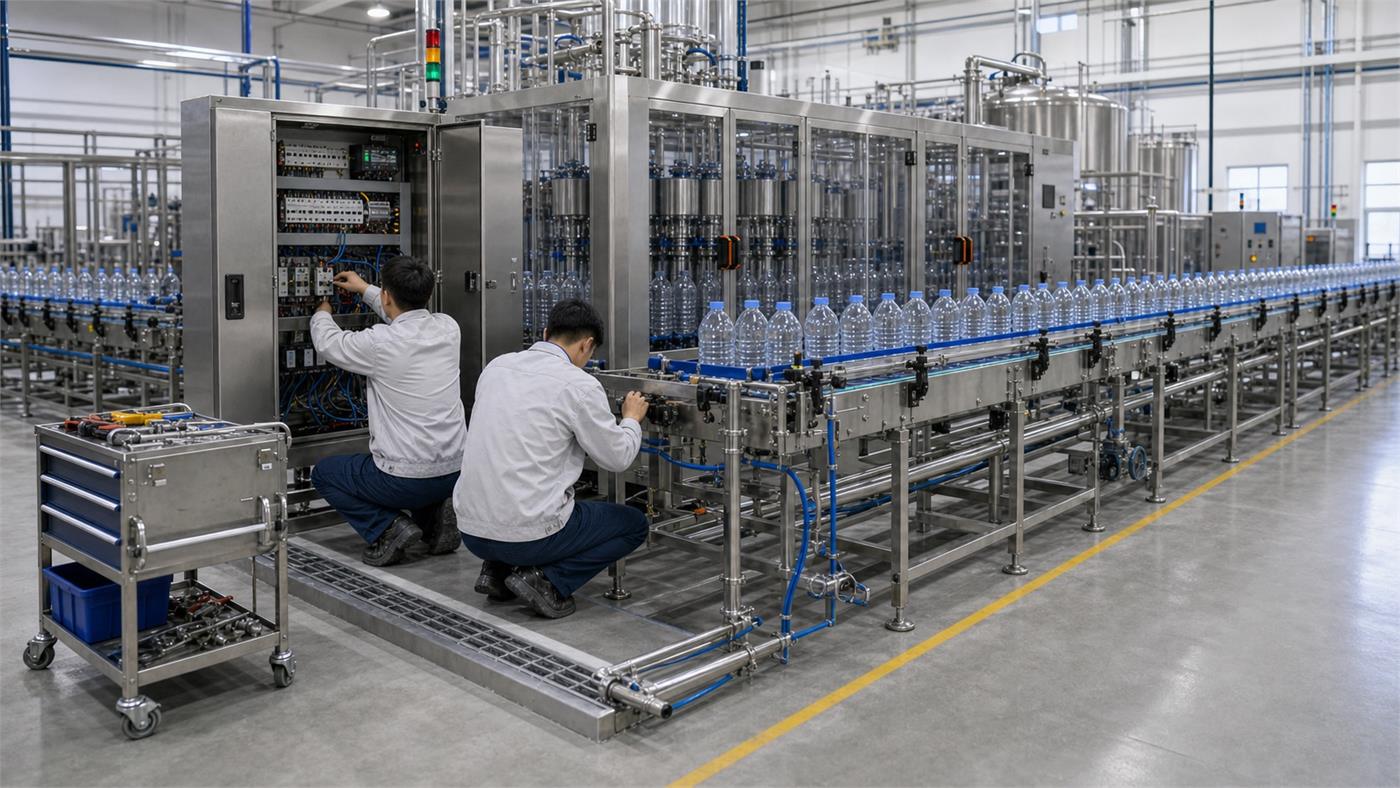
The Value of Turnkey Is Clear Interface Ownership
Water treatment, bottle supply, filling, labeling, packing, controls, utilities and site work must meet at documented interfaces. A complete project is not defined by the number of machines; it is defined by whether responsibilities and acceptance evidence connect from concept to stable operation.
- One approved project basis
- Named owner for every interface
- Written stage-gate evidence
- Operational handover and support route
Nine Stages of a Turnkey Water Bottling Line Project
Large beverage-equipment organizations structure complete-line work around the full project lifecycle. A buyer can apply the same discipline at any plant size without copying unsupported performance claims or assuming that one standard scope fits every factory.
1. Business and product definition
Confirm market route, water product, bottle and cap family, labels, packs, target output, shift idea and expansion priorities.
2. Source water and process basis
Use available water analysis and local product requirements to define the treatment questions, storage approach and sanitation responsibilities.
3. Factory and utility survey
Record rooms, columns, doors, ceiling, floor, drainage, access, power, water, air, cooling, ventilation, warehouse and local constraints.
4. Supplier requirement brief
Issue one controlled brief covering scope, samples, performance basis, documents, testing, service, buyer-side work and commercial assumptions.
5. Concept and technical approval
Review line architecture, preliminary layout, module interfaces, control boundary, utility schedule, samples, change parts and document register.
6. Manufacturing and FAT readiness
Track approved drawings, material samples, test products, FAT method, witness roles, packing plan and treatment of incomplete or open items.
7. Logistics and site readiness
Coordinate export packing, transport boundary, customs inputs, unloading route, local lifting, foundations where required, utilities and installation labor.
8. Installation, SAT and training
Connect equipment safely, test controls and interfaces, run approved products and packs, train operator and maintenance roles, and document deviations.
9. Handover and lifecycle support
Close open items, deliver final manuals and drawings, register installed equipment, plan maintenance and spares, and confirm technical support and upgrade routes.
Project Decisions That Should Be Approved Before the Next Phase
A stage gate does not need to be bureaucratic. It prevents a bottle, layout, utility or responsibility change from moving silently into manufacturing, shipment or startup.
| Gate | Buyer decision or evidence | Supplier deliverable | Risk if skipped |
|---|---|---|---|
| Project basis | Product, bottle, cap, label, pack, target capacity, water source and site facts. | Written design basis and list of assumptions or missing inputs. | Different teams may design around different products or conditions. |
| Concept approval | Preferred line route, expansion priority, room limits and buyer-side packages. | Equipment scope, preliminary layout, interface list and project exclusions. | A complete-line quotation may still contain disconnected packages. |
| Technical freeze | Approved samples, drawings, materials, utility interfaces and control boundary. | Final technical schedules, document register and change-control baseline. | Late changes can affect tooling, layout, controls, cost and schedule. |
| FAT release | Witness plan, test materials, test basis, safety checks and evidence required. | FAT protocol, readiness notice, results and dated open-item list. | Shipment may occur without proving the contracted machine basis. |
| Shipment release | Site readiness, logistics responsibility, unloading route and storage plan. | Packing list, weights, lifting points, shipping documents and installation requirements. | Equipment may arrive before the building, utilities or labor are ready. |
| Operational handover | Authorized operators, maintenance roles, local materials and acceptance witnesses. | SAT records, training evidence, final documents, spares and support contacts. | The line may run briefly without a maintainable operating system. |
Separate Supplier, Buyer and Local-Specialist Responsibilities
Turnkey should make ownership clearer, not imply that every civil, utility, regulatory and operating task belongs to the equipment supplier.
| Workstream | Supplier scope to define | Buyer or local scope to define |
|---|---|---|
| Process and equipment | Named modules, capacities by approved condition, materials, interfaces, controls and exclusions. | Final product decisions, local inputs, approved samples and qualified review of the proposal. |
| Factory layout | Machine footprints, service clearance, loads, line direction, access and connection points. | Building, rooms, floor, doors, drainage, fire and local building requirements. |
| Utilities | Equipment-specific power, air, water, cooling, drainage and connection data. | Incoming capacity, distribution, cables, piping, permits and qualified local installation. |
| Compliance documents | Documents and certificates actually available for the offered equipment. | Destination rules, permits, product registration, label approval and local professional advice. |
| Testing materials | Quantities and specifications needed for FAT, SAT and training. | Correct preforms, bottles, caps, labels, film, cartons, water and cleaning materials on time. |
| Logistics and site work | Packing details, shipping boundary, weights, lifting points and engineer support scope. | Freight or import work not included, unloading equipment, local labor, travel support and site safety. |
| Training and handover | Training topics, roles, language, manuals, records and support contacts. | Selected trainees, attendance, operator organization, maintenance ownership and record control. |
| Lifecycle support | Warranty boundary, assistance route, parts identification, service terms and upgrade process. | Preventive maintenance execution, local spares, consumables, operating records and timely escalation. |
Single Turnkey Supplier vs Coordinated Specialist Packages
Neither model is automatically correct. The decision depends on project-management capability, technical interfaces, commercial transparency, local support and the buyer team.
Single-source advantage
One coordinating supplier can reduce the number of commercial and technical interfaces when the scope and authority are real.
Single-source risk
A broad turnkey label can hide subcontracted packages, exclusions or weak local support unless each responsibility is documented.
Specialist-package advantage
Separate specialists can provide focused expertise, brand choice and commercial visibility for treatment, blowing, filling or packing.
Specialist-package risk
The buyer or appointed integrator must own line balance, controls, conveyors, utilities, testing and dispute resolution between packages.
Decision test
Ask who approves interfaces, who coordinates changes, who proves the balanced line and who closes problems that cross equipment boundaries.
Commercial comparison
Compare the same plant result, documents, acceptance basis and buyer-side work, not only the total number at the bottom of each quotation.
Evidence Required Before the Project Becomes an Operating Plant
A reliable handover leaves the buyer with controlled information and trained roles, not only a running demonstration.
| Handover area | Evidence to receive | Buyer check |
|---|---|---|
| Installed equipment | Final machine list, models, serial numbers, main component references and approved revisions. | Can the plant identify every machine when requesting support or parts? |
| Technical records | As-built layout, electrical and pneumatic drawings, utility schedule, manuals and software or parameter records where agreed. | Do the records match the installed condition and approved language? |
| Testing and acceptance | FAT and SAT results, quality checks, deviations, corrective actions and signed open-item status. | Is acceptance tied to the contracted product, pack and operating basis? |
| Training | Role-based operator, cleaning, changeover, maintenance, troubleshooting and escalation records. | Can responsible staff repeat safe startup, shutdown, cleaning and first-line checks? |
| Spares and tools | Delivered quantities, part numbers, machine applicability, storage requirements and reorder route. | Can each item be traced to the correct machine and maintenance task? |
| Lifecycle contacts | Warranty terms, support channels, working language, remote method, site-service boundary and future conversion process. | Does the team know what information to send and who owns the next action? |
Resolve a Turnkey Scope Gap Before It Reaches the Site
Example only: a supplier includes a compressor, while the proposal leaves the machine distribution network to the buyer. The project still needs decisions on distribution design, materials, installation, final connections and verification. Listing the compressor as included does not resolve those separate deliverables.
Create separate responsibility rows, tag the relevant connections on the layout and attach the required operating conditions. Assign the missing work to an agreed party and align its readiness with the installation and test sequence. Keep unanswered items OPEN instead of assuming they are included or cost-free.
Use the responsibility matrix for ownership, the drawing requirements for information and the layout approval process for release decisions. These records should refer to the same equipment and package revision before the project moves to the affected activity.
| Project record | What it resolves | Check before proceeding |
|---|---|---|
| Equipment list | Which packages are selected | Base supply, retained equipment and options identified |
| Responsibility matrix | Who delivers each task or connection | Open and excluded work has an agreed disposition |
| Drawing package | Where equipment, access and connections sit | Required dimensions and references are available |
| Approval record | Which revision can be used for a named purpose | Comments, limitations and affected parties recorded |
| Acceptance procedure | How the integrated result is demonstrated | Approved conditions, counts, records and closure process |
FAQ
What is a turnkey water bottling line?
A turnkey water bottling line is a coordinated project in which an agreed supplier scope connects process equipment, packaging equipment, controls, engineering documents, testing, installation support, training and handover. The contract must still state exactly what is included, optional, excluded and buyer-side.
Does turnkey mean the buyer has no responsibilities?
No. The buyer normally remains responsible for market decisions, permits, source-water data, the building, local utilities, materials, operators, local labor and other items defined in the responsibility matrix. Turnkey should reduce unclear interfaces, not hide buyer obligations.
What should a turnkey water bottling line supplier include?
The proposal should identify treatment, bottle supply, filling, cap handling, labeling, coding, packing, conveyors, controls, utility interfaces, documents, FAT, installation support, training, startup spares and support boundaries where they apply to the project.
What information is needed before requesting a turnkey proposal?
Prepare the water source and available test data, target products, bottle and cap range, expected capacity, packaging route, building information, utility conditions, destination, project stage and required supplier responsibilities.
Is one turnkey supplier always better than multiple suppliers?
Not always. One supplier can reduce interface coordination, while specialist packages can provide more choice. Compare engineering capability, control integration, responsibility, service access, local skills, commercial transparency and the buyer’s ability to manage interfaces.
Which approvals should happen before manufacturing starts?
Approve the equipment scope, bottle and cap basis, product application, line direction, preliminary layout, utilities, interfaces, documents, test materials, acceptance method and change-control process before manufacturing decisions become difficult to reverse.
How should FAT, SAT and final acceptance be separated?
FAT checks the agreed equipment and evidence before shipment. SAT checks the installed system and interfaces at site. Final acceptance should use the contracted product, pack, conditions, records, training and a dated process for unresolved items.
What lifecycle support should be agreed before purchase?
Confirm manuals, installed-base records, preventive maintenance information, startup and critical spares, training roles, support channels, remote assistance, on-site service terms, warranty boundaries, parts identification and the process for future upgrades.
How should total cost of ownership be discussed?
Compare more than purchase price: buyer-side utilities, installation, labor, materials, changeovers, maintenance, parts logistics, expected operating pattern and upgrade risk all affect lifecycle cost. Use supplier-specific data instead of a generic online figure.
How can a buyer verify that a turnkey proposal is complete?
Use a line-by-line scope matrix, responsibility matrix, utility schedule, document list, project milestones, FAT and SAT basis, spare-parts list, training plan and open-item register. Blank or ambiguous responsibilities should remain open questions until written clarification is received.
Define what “turnkey” must include before comparing suppliers
Turnkey should describe a responsibility boundary, not act as a vague promise. Clarify local works, engineering inputs, interfaces, commissioning and acceptance before a commercial comparison.
Allot Tech Project Desk · Mr KcalBuyer-education content prepared for project clarification. Final equipment scope, engineering values, prices and guarantees must be confirmed in a supplier's written proposal.Updated:
What Should a Turnkey Water Bottling Line Project Include?
Turnkey should describe an agreed project responsibility, not simply a long machine list. The buyer and supplier need one written basis for the product, bottle, pack, accepted output, complete process boundary, site interfaces, project services and acceptance evidence. Local permits, building work and utilities may still remain with the buyer unless the contract explicitly assigns them.
Equipment references for this planning stage
These authentic brochure images help buyers identify the machine categories that may sit inside a complete water bottling line. They are not customer-case evidence and do not fix the final model, output, process, utility load or supplier boundary.
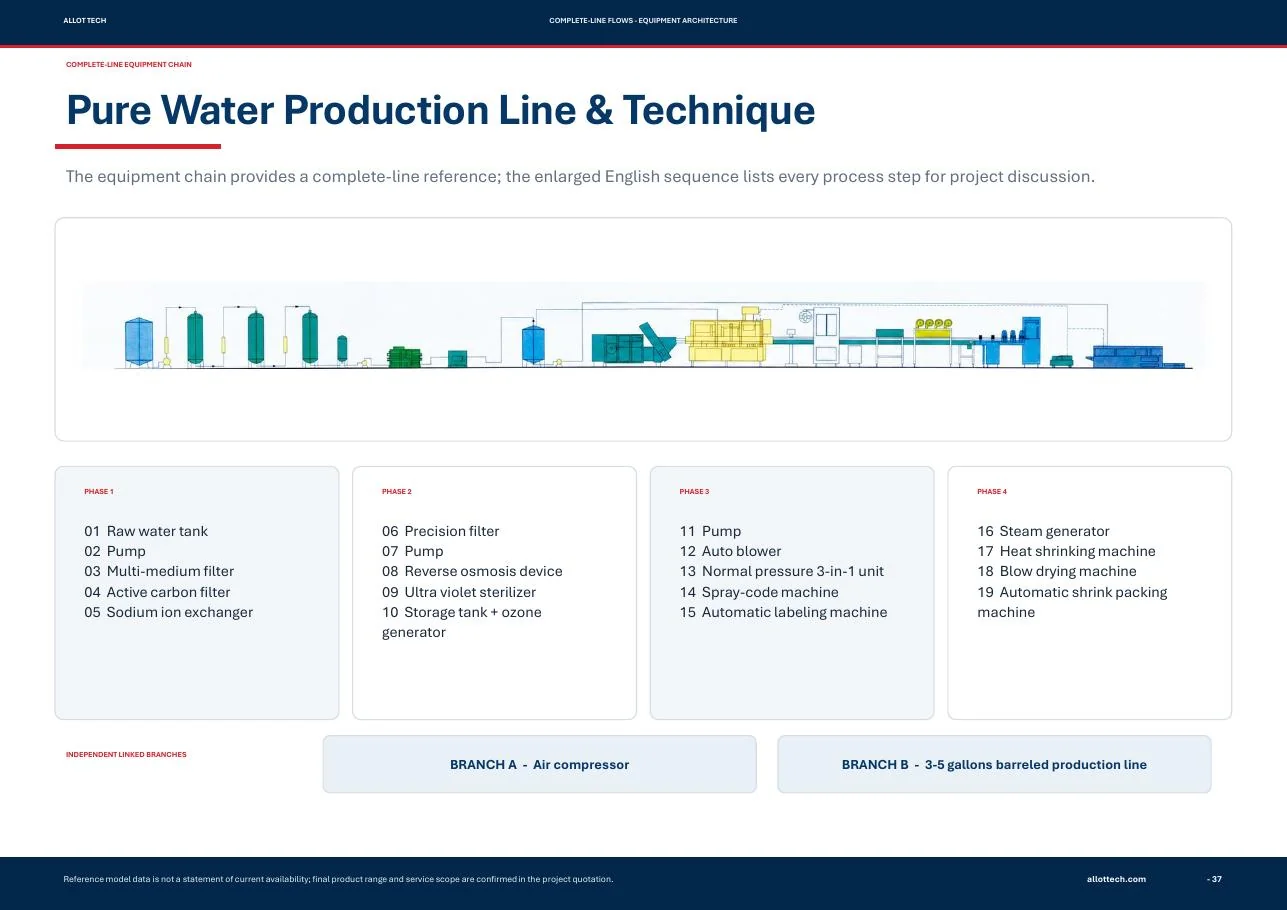
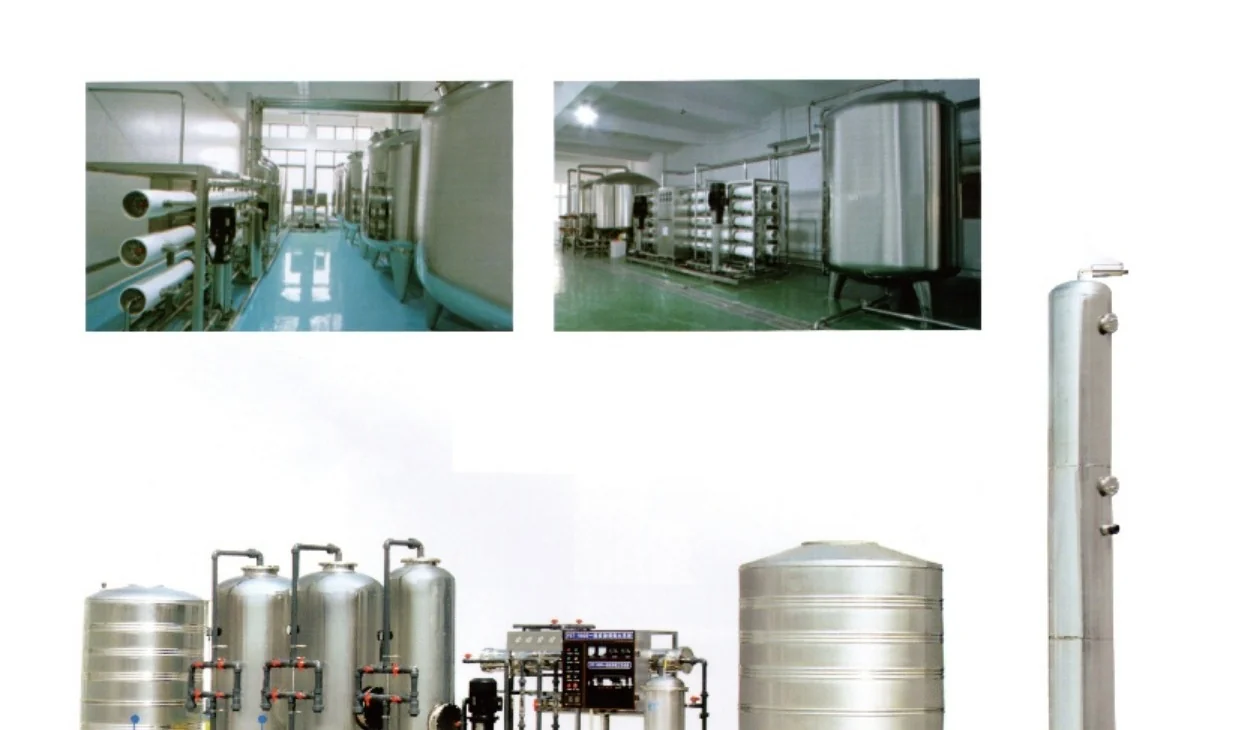
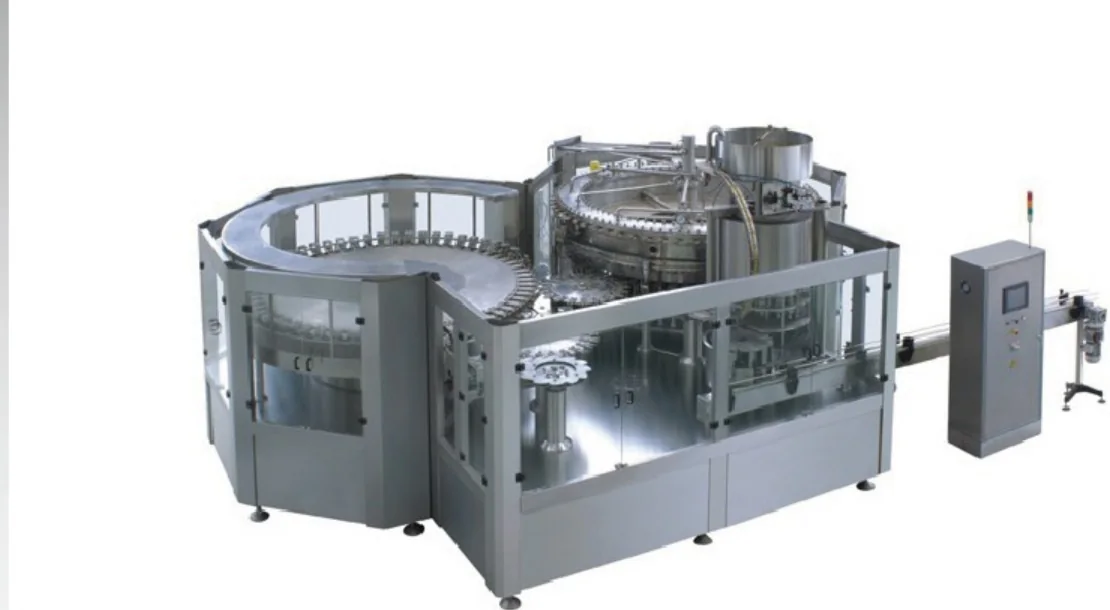
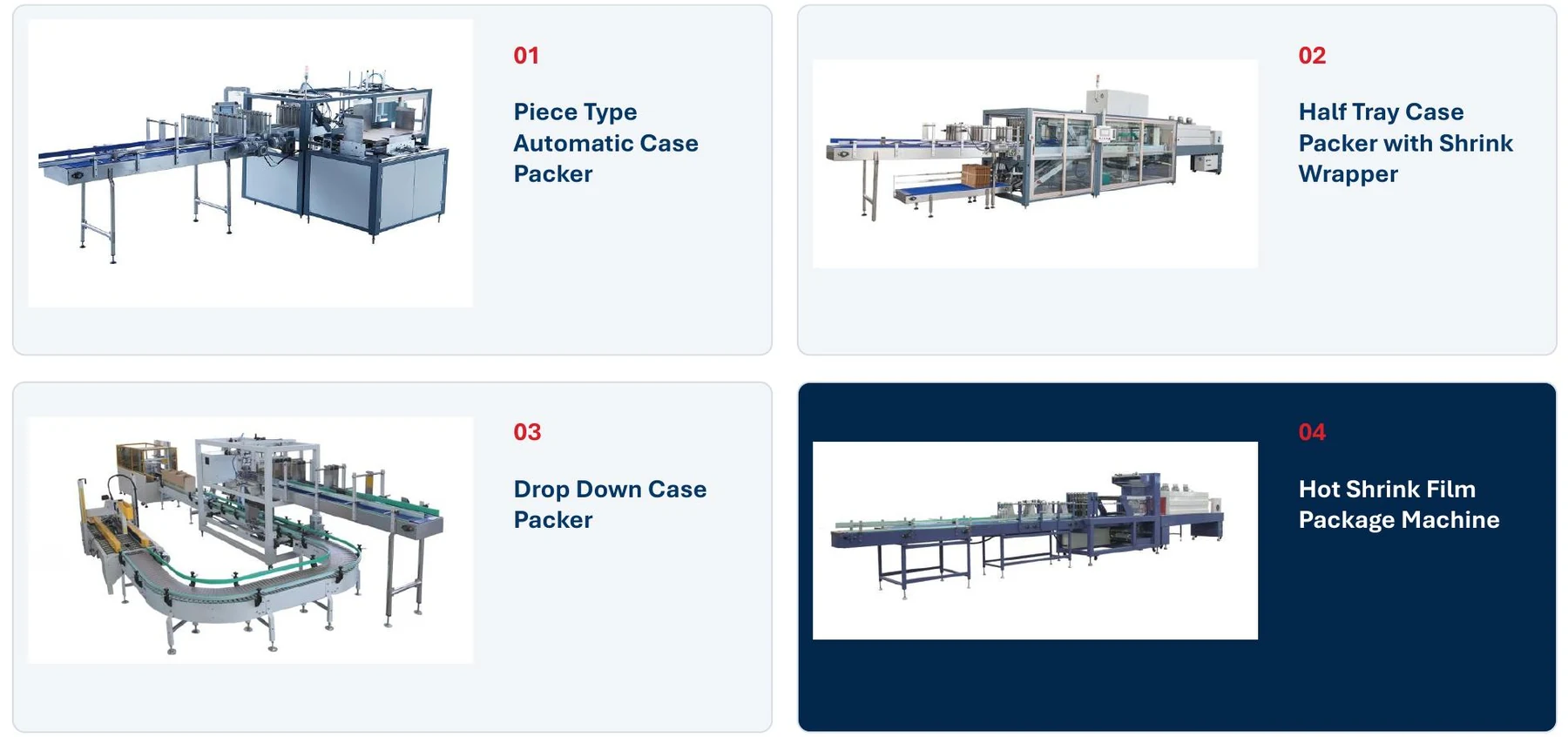
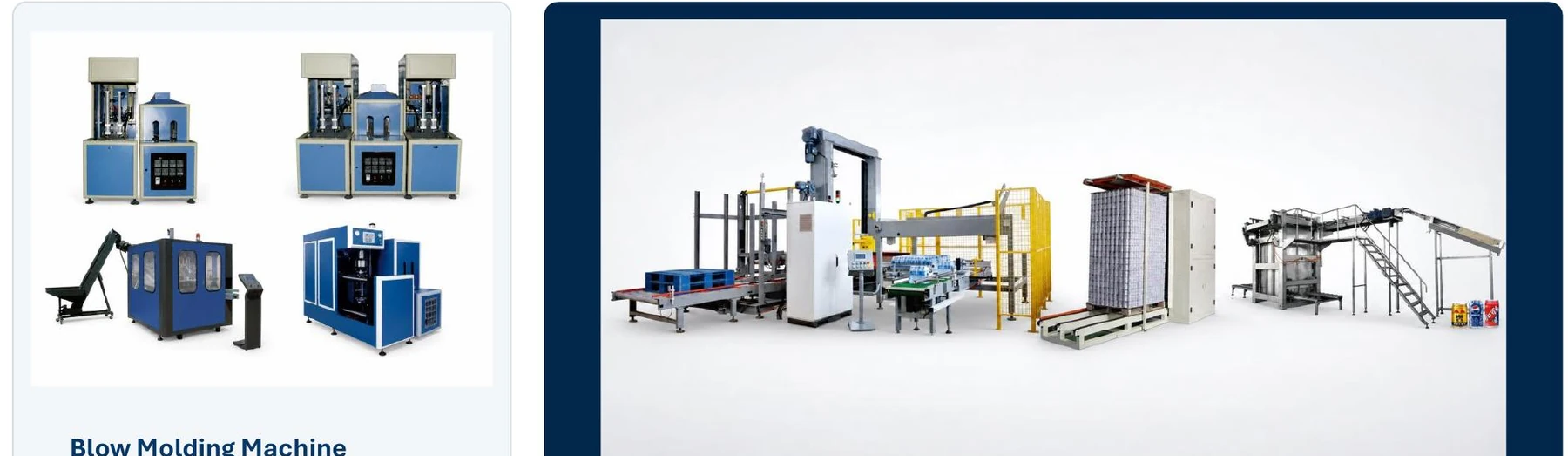
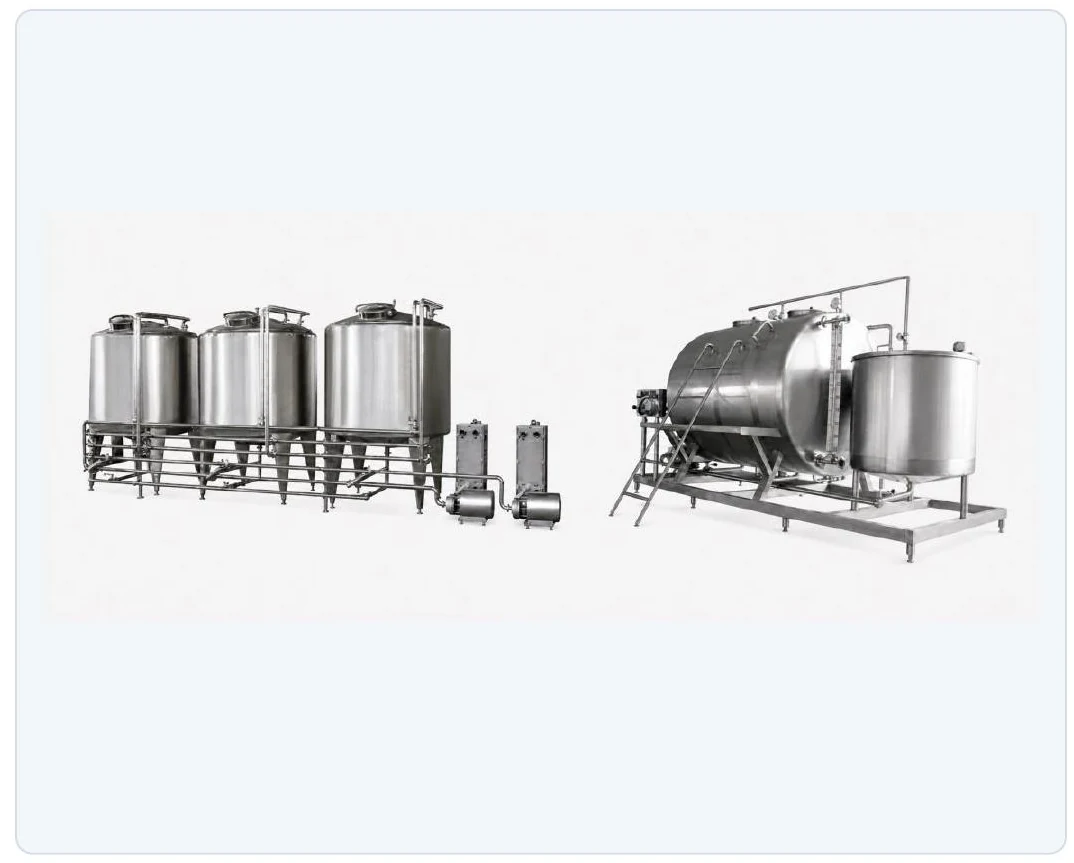
Quotation check: ask the supplier to mark each proposed item as included, optional, buyer supplied or excluded, then connect every item to the preliminary layout and utility schedule.
Questions to answer before requesting price
- Where does the turnkey supplier scope start and finish?
- Which site, utility and local-contractor work remains with the buyer?
- Which FAT and SAT evidence releases each payment milestone?
- Which documents, spares and training make the plant supportable after handover?
Buyer-decision content prepared for project clarification. Updated: .
Request a Turnkey Project Scope Review
Share what you know now. The goal is to prepare a useful plant brief before a machine quotation is built.