format solution planning
Multi-Size PET Water Bottling Line: Build a Format Matrix
A multi-size water bottling line is a set of approved package combinations and changeover procedures. Define each bottle, closure, label and pack together, then check that combination through every machine and transfer.
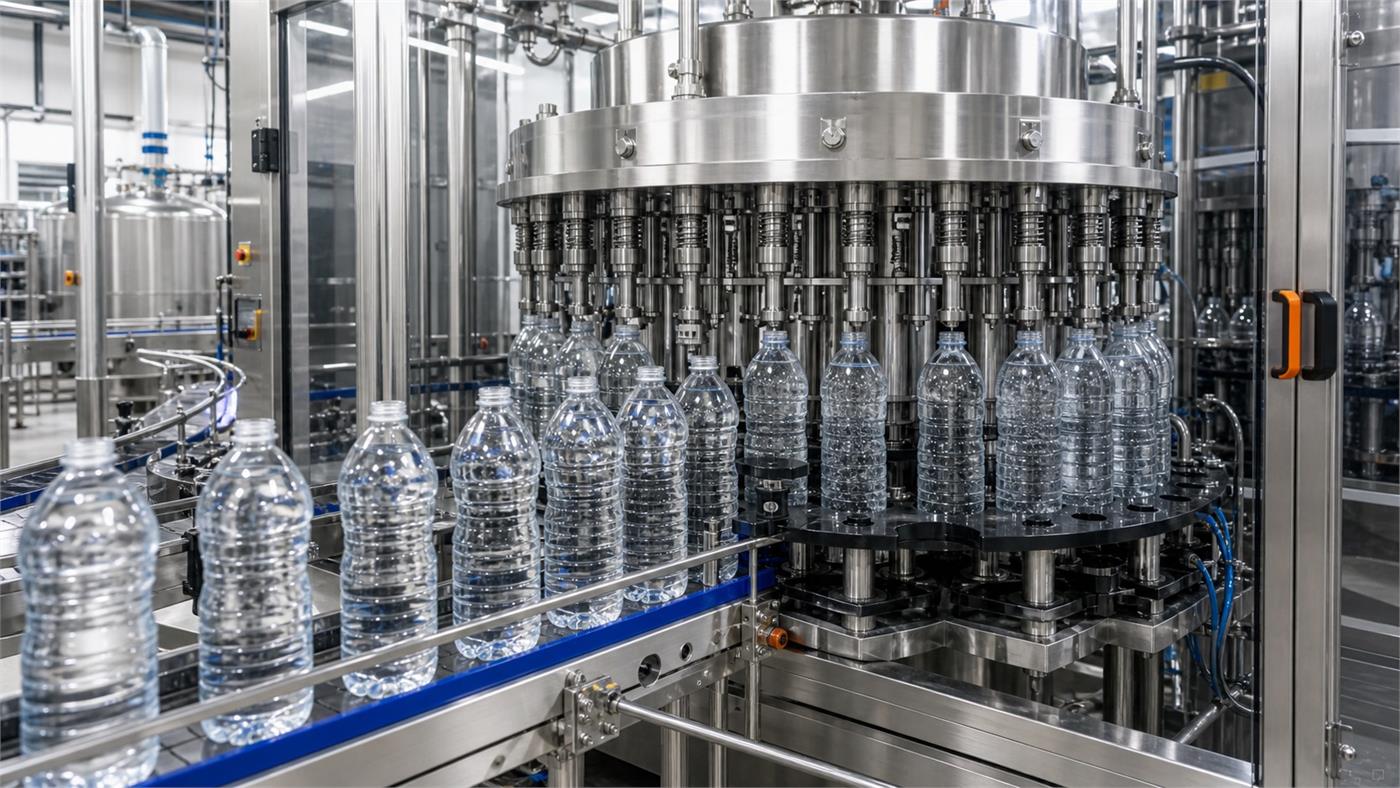
Compatibility Extends Beyond Bottle Volume
Two bottles with the same volume can have different necks, heights, label panels and stability. Conversely, different volumes may share some parts. Record compatibility by drawing or sample reference and machine interface; a broad volume range is not an approval for every bottle within it.
Create One Row for Each Saleable SKU
Record the bottle and neck drawing revision, cap, label type and artwork, code location, bottles per pack and pallet arrangement. Assign a distinct format identifier that appears in supplier drawings and recipes.
For bottle production, add preform and mold references plus the approved blowing recipe. For purchased bottles, document how the container is supplied and fed.
For each machine, record shared parts, replacement parts, adjustable settings, recipes and checks. Include conveyors, inspection sensors and the packer rather than stopping at the filler.
Give each format its own proposed running rate and accepted good-output basis. Mark untested formats pending, with a named test and decision owner.
Measure the Whole Changeover
Define start and finish before timing a trial. A useful production boundary is the last accepted old-format pack to the first accepted new-format pack at the agreed condition.
Record material clearance, mechanical changes, recipes, adjustments, quality checks and first-off approval as separate activities. Distinguish tasks that can be prepared while the previous format is still running from tasks that require a stopped line.
Also record the material and product consumed during setup. A short mechanical change can still have a long stabilization period or many rejected packs.
Build a Feasible Daily Sequence
For each SKU, divide the required good bottles by that format’s sustained good rate. Add the changes between the selected runs and other time outside those rate assumptions.
Illustrative sequence: 12,000 bottles at 4,000 good BPH take 3 hours; 9,000 at 3,000 good BPH take another 3. A 45-minute change makes the combined schedule 6.75 hours. This arithmetic does not establish that the equipment reaches either assumed rate.
Compare fewer, longer production runs with more frequent changes against demand and storage. Grouping compatible formats can reduce setup activity, but should not create stock the sales and warehouse plan cannot support.
Control Changes After Handover
Treat a new cap, lighter bottle, label stock or pack arrangement as a package change with an affected-machine review. Check the old approval basis before assuming that a supplier substitution is interchangeable.
Keep signed format records, the correct change parts and controlled recipe backups together. Use first-off checks to confirm the installed parts and settings match the selected SKU.
Turn the Format Matrix into Available Hardware
The SKU matrix becomes usable when every physical change has a supplied part or an approved adjustment method. Review the kit against the installed machine references, then connect it to the existing changeover procedure and first-off checks.
| Format change | Hardware question | Record to attach |
|---|---|---|
| Same neck, different bottle body | Which neck parts remain shared and which body guides or transfers change? | Station-specific parts and adjustment list |
| Different cap or neck finish | Which handling, cap-feed and application elements need review? | Matched package drawings and supplier compatibility decision |
| Same bottle, different label or pack | Which downstream parts, positions and recipes change? | Label/pack setup sheet and approved first-off checks |
| Future format not yet sampled | Which commitments remain untested or unpriced? | OPEN-item list with the sample, trial and decision required |
Frequently Asked Questions
How many bottle sizes can one water line handle?
The answer is the number of approved package combinations supported by its platform, parts, recipes and downstream equipment. A stated volume range alone does not establish the list.
What should changeover time include?
State the boundary explicitly. For production planning, last accepted old-format pack to first accepted new-format pack makes material clearance, adjustment and first-off checks visible.
Can I add a new bottle after startup?
Ask the responsible suppliers to review the new drawing, cap, label, pack and intended output against every affected interface, then define the parts and acceptance trial needed.
Discuss Your Water Bottling Line Requirements
Share what you know now. The goal is to prepare a useful plant brief before a machine quotation is built.