supplier solution planning
Complete Water Bottling Line Supplier: Who Owns the Integrated Result?
A complete water bottling line supplier should explain how treatment, bottle supply, filling, labeling and packing work together. The key purchasing question is who resolves a problem at the boundary between machines and demonstrates the agreed result.
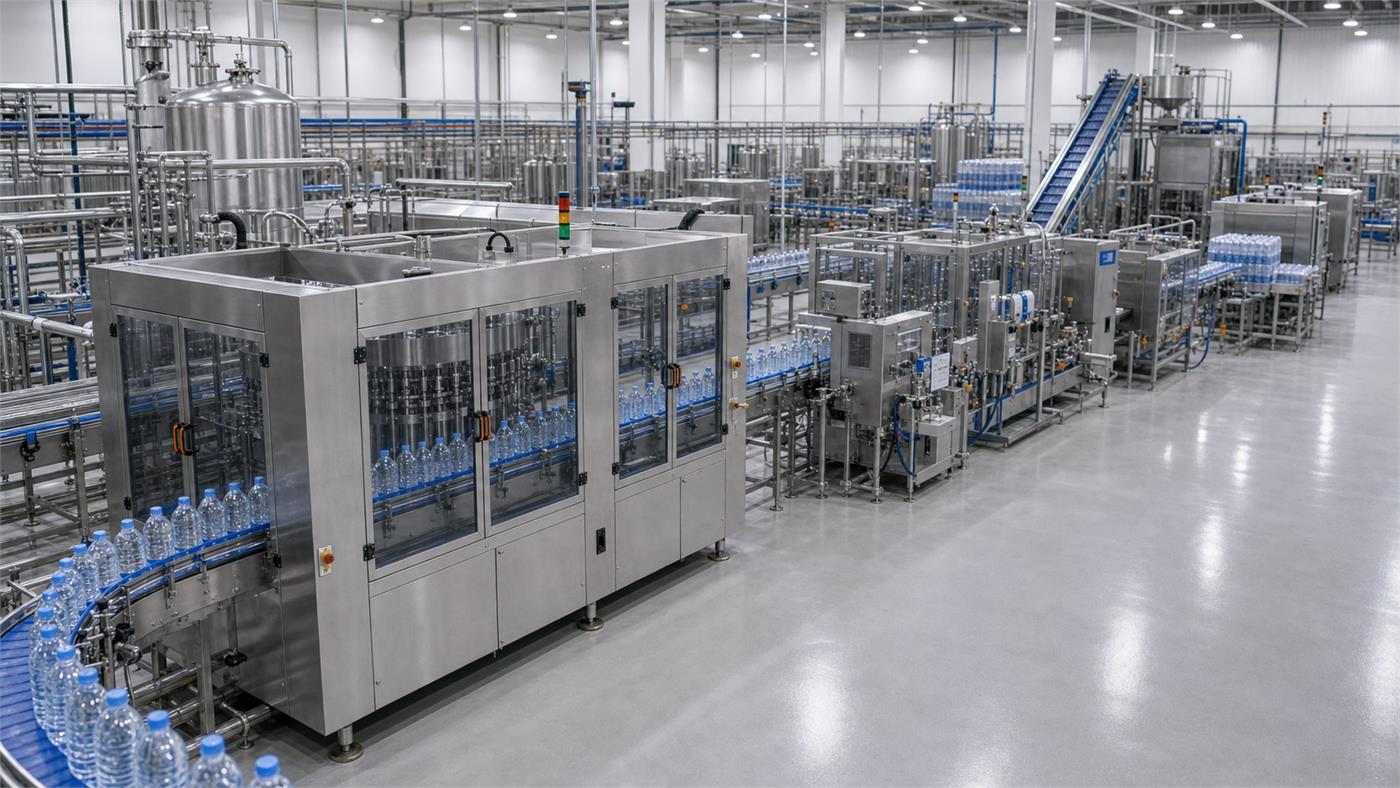
One Line Needs Named Interface Owners
A quotation can contain every major machine and still leave a gap between them. For example, a packer may accept fewer bottles than the filler produces, or an existing compressor may not supply the required air at the connection. Name who checks each interface, who supplies the connection and who corrects a mismatch.
Ask for Deliverables in the Order Decisions Are Made
Before detailed selection, request a written review of the product, bottle, pack and demand brief. A useful response lists missing inputs and states any assumptions that affect the configuration.
During layout development, request machine identifiers, flow direction, utility connection points and service access. The same identifiers should appear in the equipment schedule and drawings.
Before acceptance testing, request a protocol linking the agreed formats and performance criteria to test materials, counters, observations and open-item records. Confirm which tests cover the integrated line and which cover individual machines.
At handover, collect operating instructions, drawings, backup and recovery instructions, parts identification, training records and the unresolved-item list. Agree the owner of every remaining action.
Use an Interface Failure to Compare Suppliers
Give each bidder the same scenario: the filler is ready to restart while the packer discharge is blocked. Ask what the conveyors do, which machines stop, how bottles are accumulated and what permits a controlled restart.
Then change one fact: the packer belongs to an existing installation. A specific response should identify the signals, control responsibilities, physical transfer and test access required for that retained machine. A promise that all machines are automatic does not answer the scenario.
Request the proposed sequence in writing and carry it into the integration test. This gives you a comparable engineering response without assuming that every supplier uses the same hardware or control design.
Check Support Against the Equipment Actually Offered
Ask who handles first diagnosis, who can identify the affected part and how an issue reaches the relevant machine specialist. Match the spare-parts list to model and revision information rather than a generic spare kit.
Clarify operator training for replenishment, format changes, normal restart and fault reporting. Maintenance handover should also cover the supplier-approved service procedure and the information needed for safe technical support.
If a third party provides treatment, blowing or packing, identify that party in the responsibility matrix. Integration ownership should stay clear even when several manufacturers contribute equipment.
Prepare One Brief for Every Candidate
Use the same launch bottle, future format list, daily good-output target, packing route and site drawing. Compare the responses by missing interfaces, evidence quality and clearly allocated responsibilities before reducing the decision to equipment totals.
For a new facility, use the complete water bottling plant solution to connect the supplier brief with site preparation, project stages and startup responsibilities.
Allot Tech (Suzhou) Co., Ltd. uses this site to help buyers prepare and discuss that complete-line scope. The project quotation defines the actual equipment supply and service obligations.
Frequently Asked Questions
Must every machine come from one manufacturer?
No. Different manufacturers can supply modules, provided mechanical, controls, utility and acceptance interfaces have named owners and are tested together.
What proves that a supplier can integrate the line?
Look for a coherent equipment schedule, layout, utility and signal lists, a response to interface scenarios, and an integrated acceptance plan tied to your formats.
What should the support handover contain?
Request equipment identification, operating and maintenance documents, backup and recovery instructions, spare-parts references, training records and an escalation route for unresolved issues.
How Do You Evaluate a Complete Water Bottling Line Supplier?
A complete-line supplier is responsible for more than shipping several machines. The proposal should explain how treatment, container supply, filling, labeling, packing, controls, utilities and acceptance work together, while clearly identifying subcontracted, buyer-supplied and local responsibilities. The evidence below makes that promise auditable.
Equipment references for this planning stage
These authentic brochure images help buyers identify the machine categories that may sit inside a complete water bottling line. They are not customer-case evidence and do not fix the final model, output, process, utility load or supplier boundary.
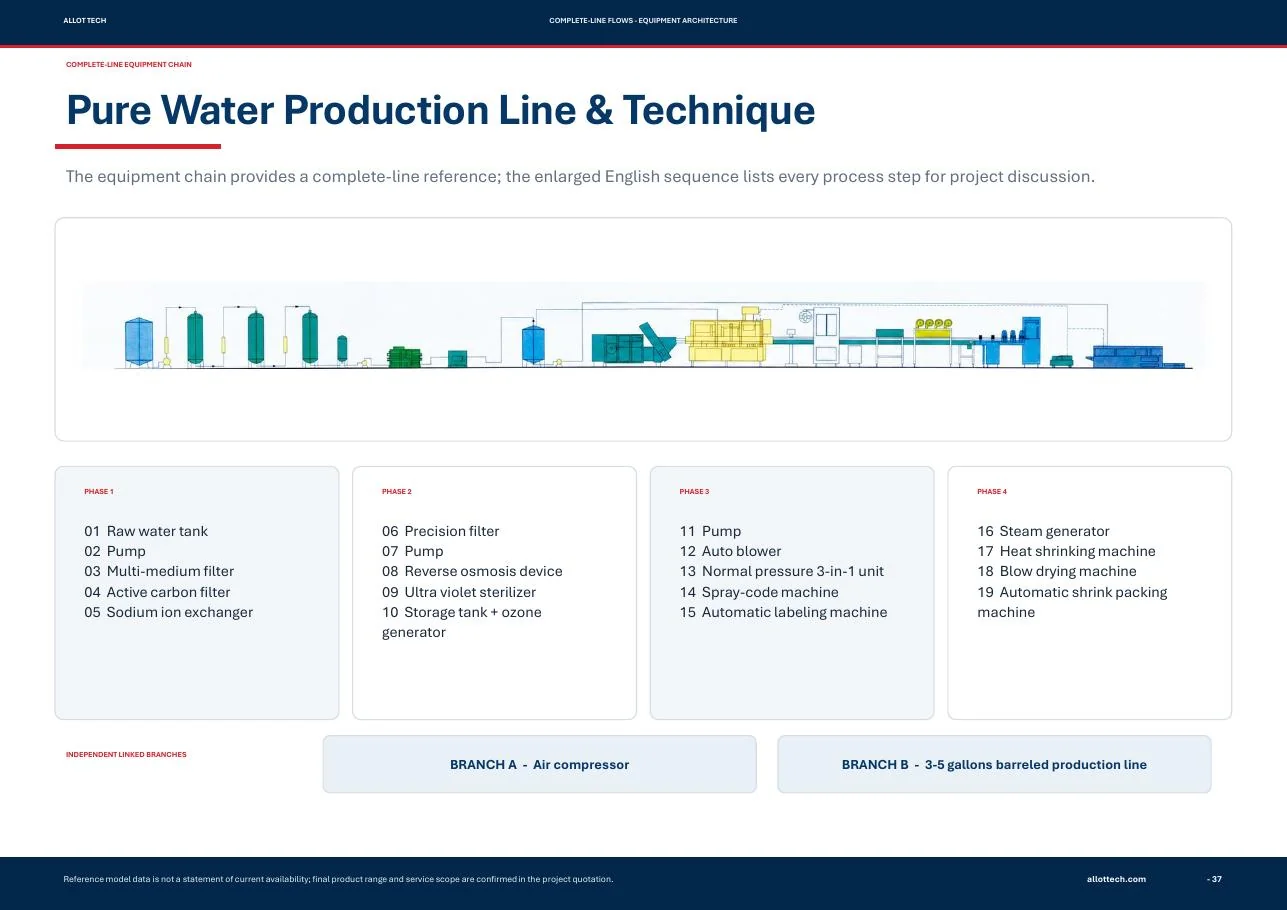
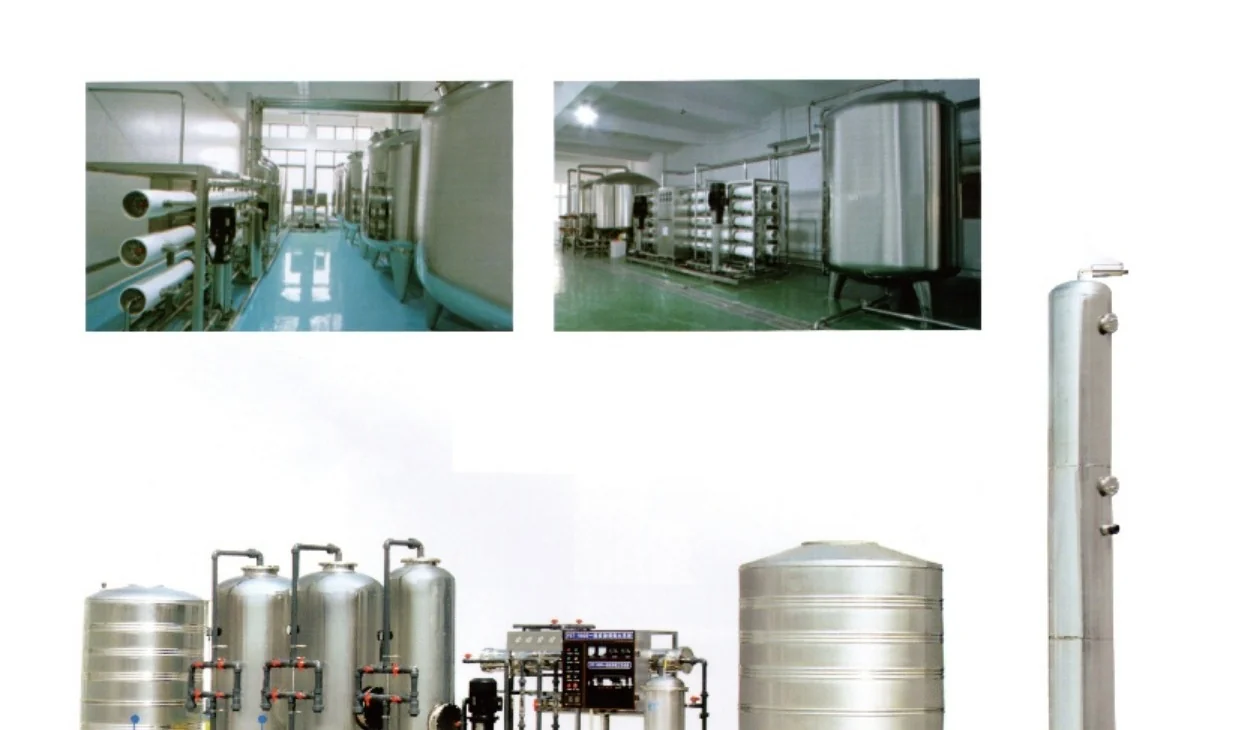
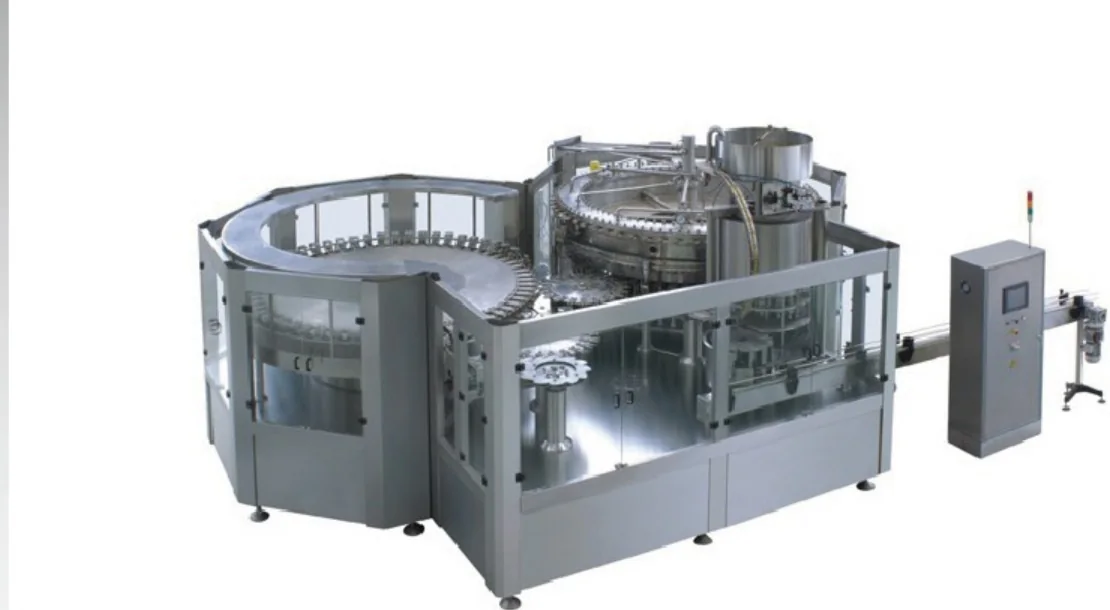
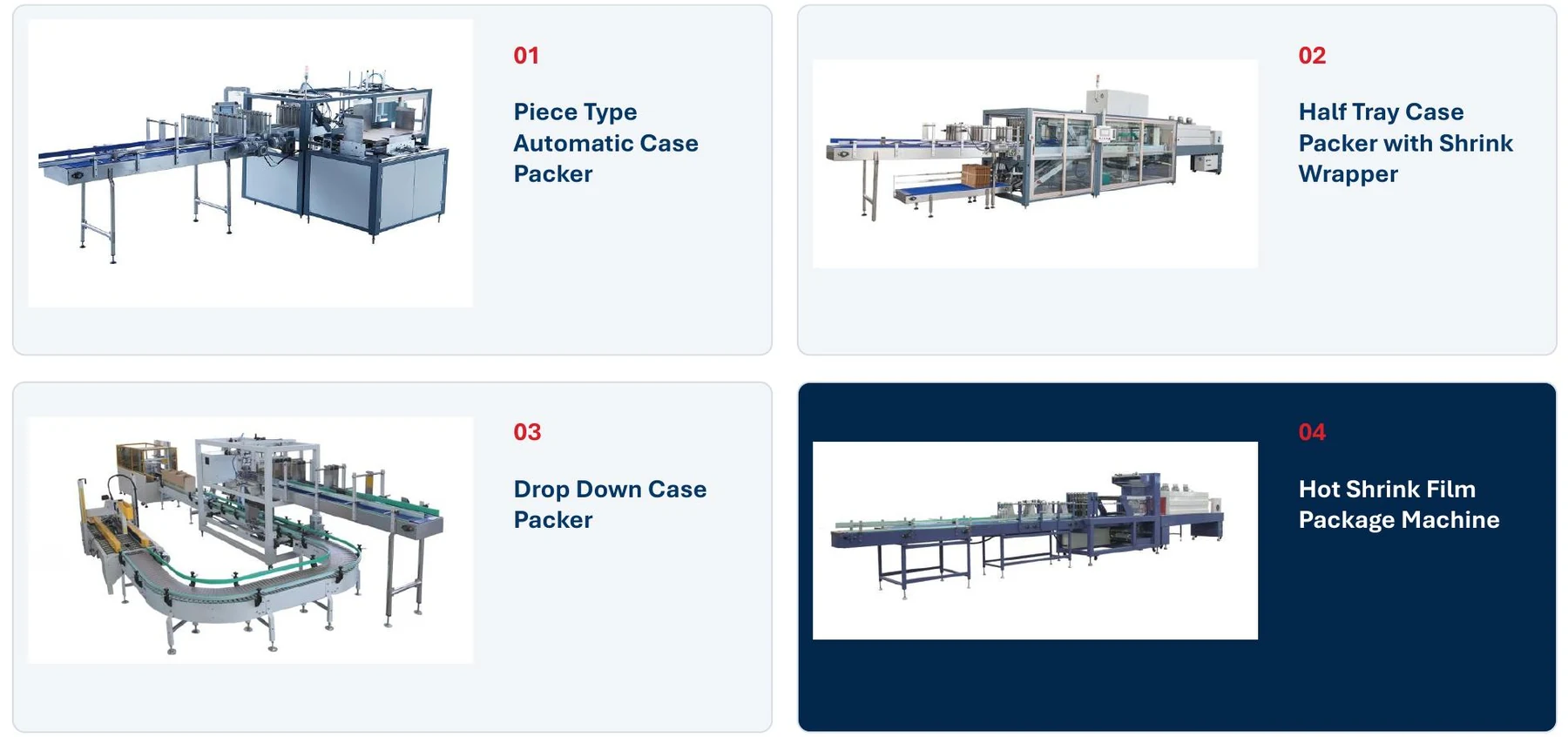
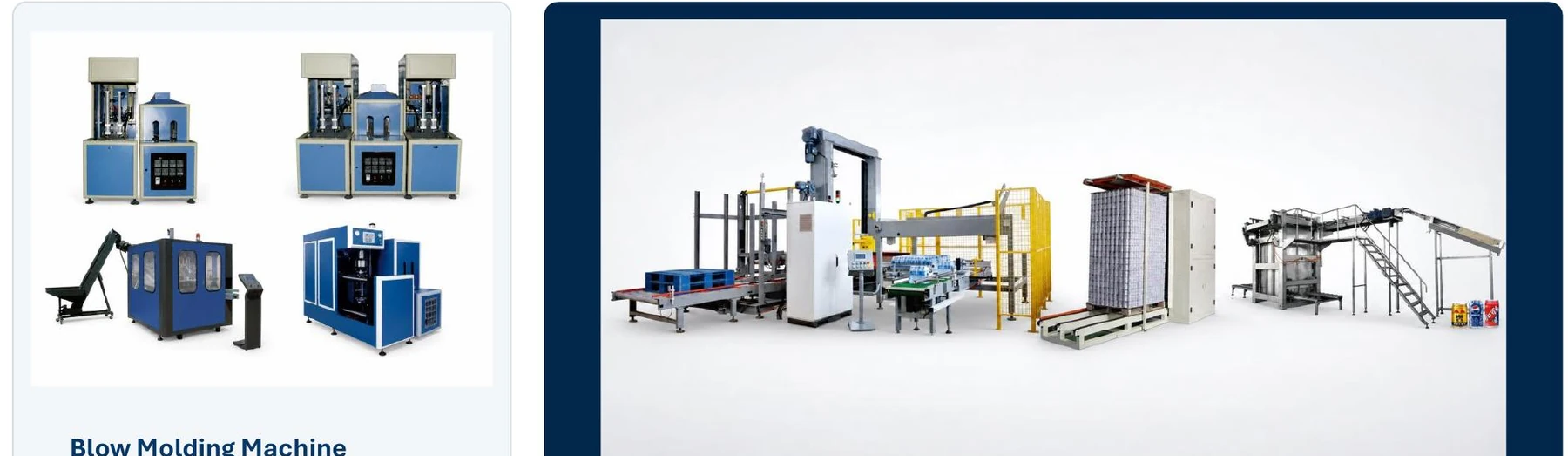
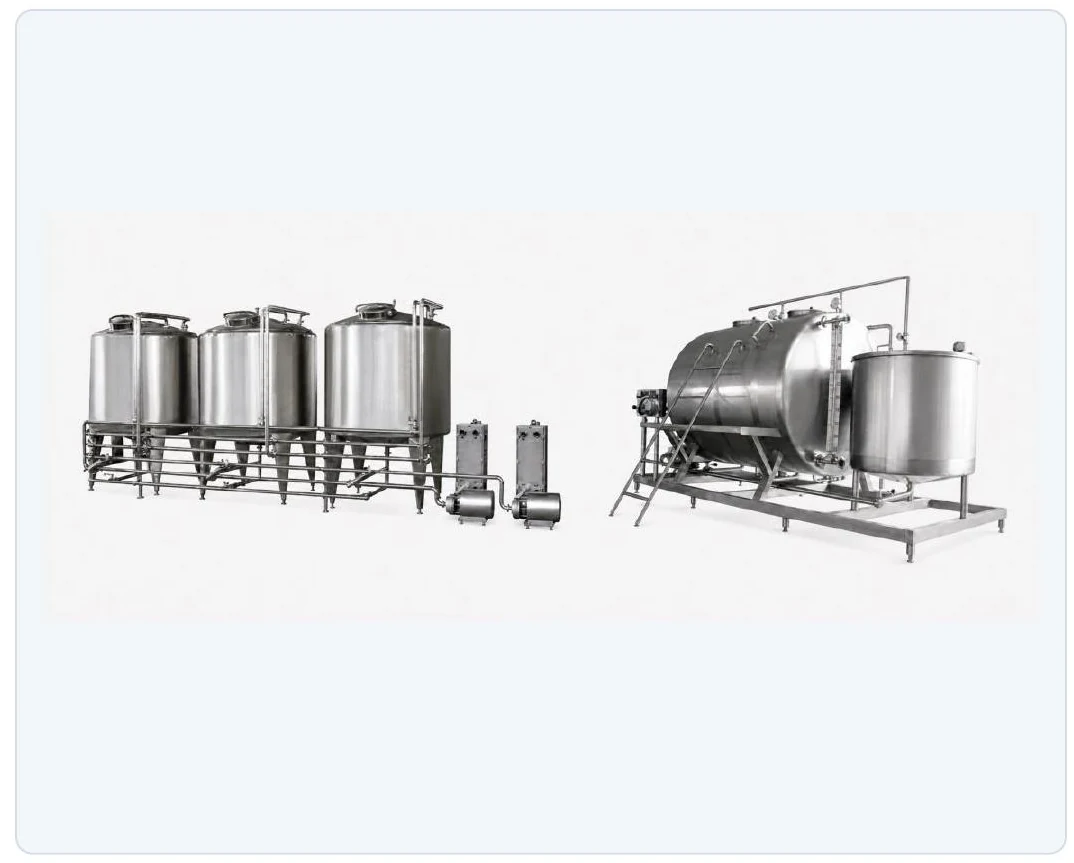
Quotation check: ask the supplier to mark each proposed item as included, optional, buyer supplied or excluded, then connect every item to the preliminary layout and utility schedule.
Questions to answer before requesting price
- Who owns each process, mechanical, electrical, control and utility interface?
- Can the supplier show one coordinated line balance, layout and utility schedule?
- Which integrated tests and documents are required before payment milestones?
- How will the buyer recover from a controls, parts or service problem after handover?
Buyer-decision content prepared for project clarification. Updated: .
Discuss Your Water Bottling Line Requirements
Share what you know now. The goal is to prepare a useful plant brief before a machine quotation is built.