hygiene integration
Hygienic Product Piping and Valve Scope for a Bottled Water Plant
Product piping connects treated-water storage, process equipment and filling. Hygienic design depends on the actual flow, materials, jointing, valves, drainability, cleaning method, instruments, supports and installation quality.
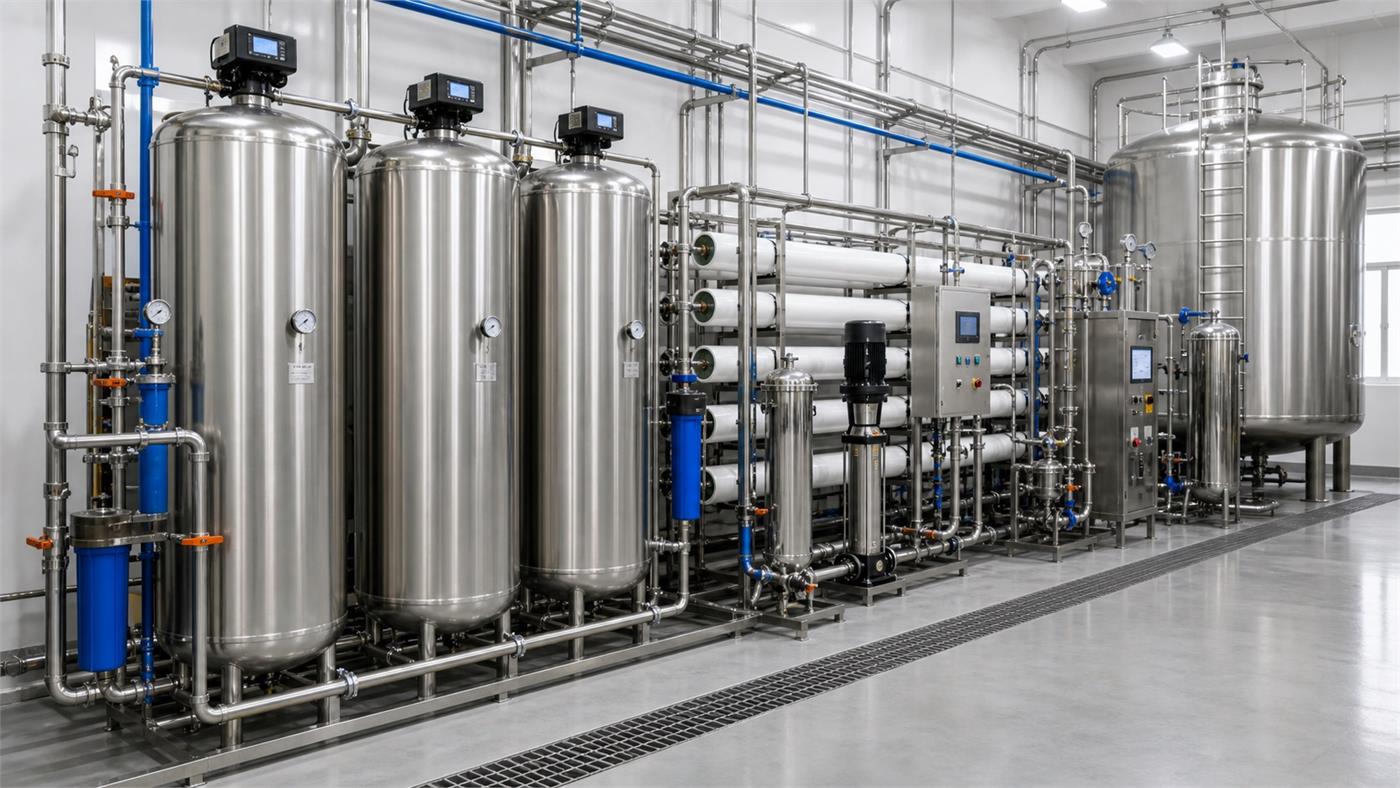
Protect Treated Water Through Every Product-Contact Connection
Product piping connects treated-water storage, process equipment and filling. Hygienic design depends on the actual flow, materials, jointing, valves, drainability, cleaning method, instruments, supports and installation quality. Use the following decision and evidence framework to compare suppliers on one approved project basis.
- Process flow and circuit boundary
- Materials and jointing
- Drainability and cleaning
- Installation and verification
Four Decisions for Hygienic Product Piping and Valves for Bottled Water Plant
Confirm the package, operating condition, machine interfaces and owner responsibilities before comparing price or delivery.
Flow basis
Map product, cleaning and drain routes with required operating modes
Material selection
Define product-contact materials, finishes, seals and joining responsibility
Hygienic geometry
Review slopes, dead legs, valve arrangements, instrument branches and drainability
Installation quality
Plan fabrication records, inspection, pressure or leak testing, cleaning and handover
Hygienic Product Piping and Valves for Bottled Water Plant Supplier Evidence Matrix
Require written evidence for each decision so the item can be integrated into the complete line and accepted under defined conditions.
| Decision | What to define | Evidence to request |
|---|---|---|
| Flow basis | Map product, cleaning and drain routes with required operating modes | Approved process and piping diagram |
| Material selection | Define product-contact materials, finishes, seals and joining responsibility | Material and seal schedule |
| Hygienic geometry | Review slopes, dead legs, valve arrangements, instrument branches and drainability | Hygienic design review |
| Installation quality | Plan fabrication records, inspection, pressure or leak testing, cleaning and handover | Installation and test dossier |
Project Inputs for Hygienic Product Piping and Valves for Bottled Water Plant
These project-specific inputs help suppliers replace assumptions with an engineered and comparable scope.
Water process
Provide source, treatment, storage and filler flow requirements
Equipment nozzles
Share connection sizes, elevations, materials and cleaning boundaries
Cleaning plan
State CIP or other approved cleaning routes and responsibilities
Site layout
Provide distances, supports, access, drains and installation constraints
FAQ
Why is product piping different from utility piping?
It directly contacts treated water or cleaning media and therefore needs a defined hygienic material, design, installation and verification boundary.
Which valves are used in a bottled water plant?
Valve type depends on flow, isolation, diversion, cleaning and control needs; qualified process specialists should select them for the actual circuit.
What is a dead leg?
It is a branch or stagnant area that may not receive adequate flow or cleaning; its significance must be assessed in the hygienic design.
Should product piping be drainable?
Drainability and the required slope or routing should be reviewed for the actual operating and cleaning procedure.
What records should the installer provide?
Request material records, weld or joint documentation, inspection results, test records, cleaning evidence and as-built drawings as applicable.
Request a Hygienic Product Piping and Valves for Bottled Water Plant Scope Review
Share what you know now. The goal is to prepare a useful plant brief before a machine quotation is built.