filling planning question
Water Bottling Line Change Parts: Build a Format Kit
A change-part kit connects an approved bottle, cap, label and pack to the exact parts and settings needed at each machine. List what must be replaced, adjusted or selected in the recipe before buying a multi-format water bottling line.
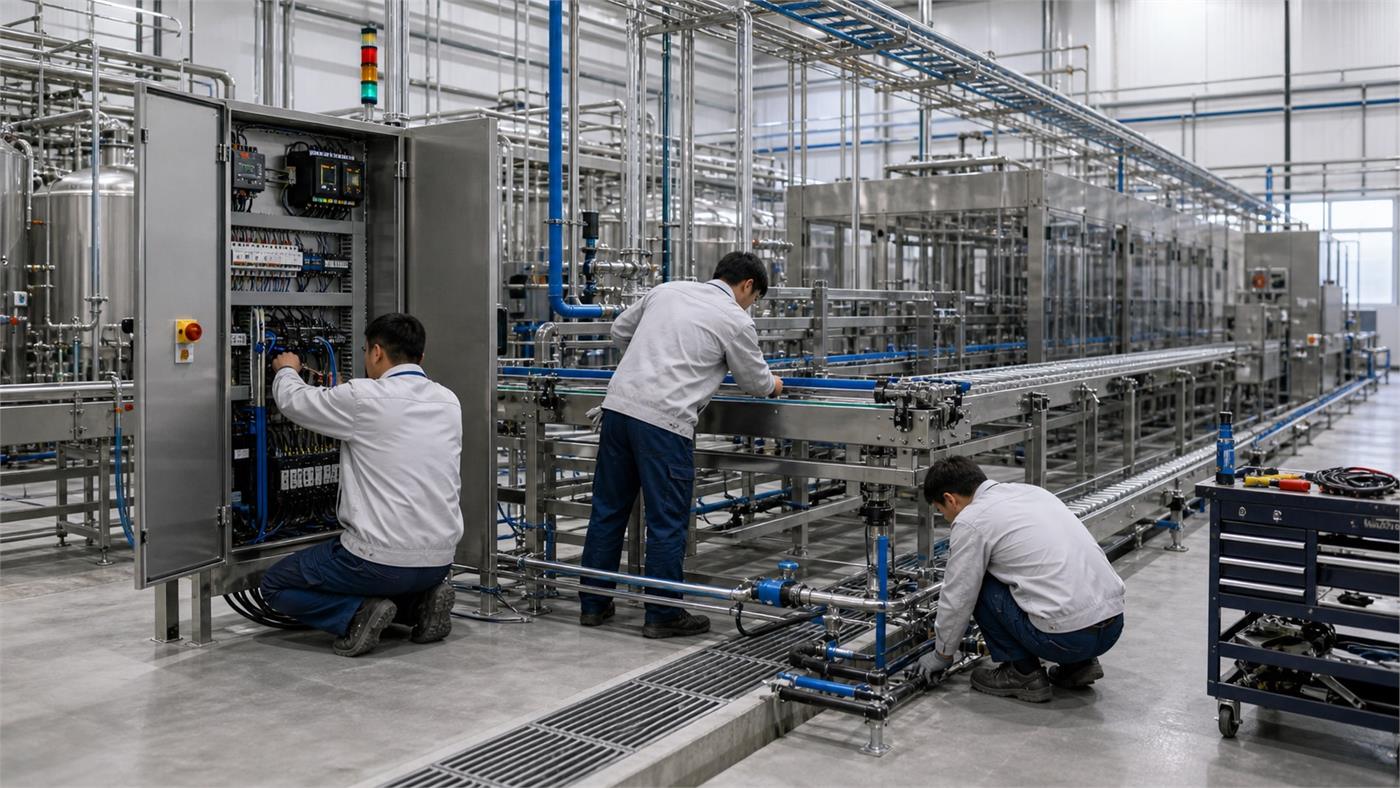
Trace the Change Through Every Machine
The same bottle neck may let some handling parts remain in place while body guides, height settings, labels and packs still change. Confirm the complete route using the selected machine design and controlled packaging drawings.
Classify Each Format Task
Use four explicit task types: REPLACE a physical part, ADJUST a position or guide, RECIPE for a controlled setting, and SHARED for a part confirmed suitable for both formats. Add NOT APPLICABLE only when the station is outside the selected line architecture. A blank cell should remain OPEN until reviewed.
Neck-handling equipment may share some parts across different bottle bodies, while base-handling stations may require different guides or transfers. Automatic adjustment can remove some manual exchanges. The correct matrix depends on the machine; avoid ordering a generic “500 ml kit” without station and part references.
Start with one row per approved SKU and one controlled drawing revision per bottle, cap, label and pack. Identify the installed machine model or serial number so a replacement kit cannot be confused with a similarly named set for another line.
Check Change Parts by Station
These are review points, not a claim that every line needs every listed part. The equipment supplier should mark the actual action and confirm the approved format range.
| Station | Possible change or adjustment | Required confirmation |
|---|---|---|
| Blower, if included | Bottle mold, stretch/blowing setup and format recipe | Approved preform, bottle drawing and mold/recipe references |
| Empty-bottle transport | Neck guides, rails, height and clearances | Neck support and body clearance for both formats |
| Rinser-filler-capper transfers | Grippers, starwheels, guides or adjustable handling positions | Which positions are shared, adjusted or replaced |
| Cap feeding and application | Sorter/chute settings, pickup tooling or chuck | Actual cap samples and confirmed feeding/application setup |
| Labeling, coding and inspection | Guides, label tooling, print position and sensor recipes | Approved artwork, code location and detection trial |
| Packing and discharge | Lane guides, grouping parts, film/carton setup and conveyors | Bottles per pack, pack dimensions and accepted first-off pack |
Specify the Kit You Expect to Receive
For each replaceable item, request the station, part number, revision, quantity needed to run, supplied quantity, compatible format IDs and storage location. Separate a second operational format set from maintenance spares; both can be called “extra parts” in an incomplete quotation.
Record the tools, adjustment references and work-instruction revision alongside the kit. Label parts and storage positions with matching IDs. Where a part serves several formats, identify it as shared so operators do not search for an unnecessary second copy.
Keep bottle samples, cap samples and approved recipe references with the documentation. A photo of a trolley is useful for locating the kit, but the controlled inventory is what identifies missing, superseded or mixed parts.
Work Through a Bottle-Size Change
Illustrative review: a plant plans to change from a 500 ml bottle to a 1.5 L bottle with the same approved neck finish. First check whether neck grippers remain shared. Then review body clearances, discharge guides, conveyor rails, sensor positions, label dimensions, coder position and packer lane arrangement. If bottles are blown on site, add molds and the approved blowing setup.
The common neck does not approve the whole format. Ask each responsible machine supplier to mark REPLACE, ADJUST, RECIPE or SHARED and list the supporting drawing or trial. Do not treat an empty parts list as confirmation that no changes are required.
If the cap also changes, review the sorter, chute, cap pickup and capping tooling separately. If only the pack configuration changes, the filler may stay on the same bottle format while the packer still needs a different setup.
Verify the Kit During a Controlled Changeover
Use the approved safe-stop and isolation procedure for physical work. Record the parts removed and installed, selected recipes and adjustment positions, then follow the manufacturer’s controlled restart procedure. Confirm correct bottle transfer and the agreed fill, closure, label, code and pack checks before releasing production.
Keep kit completeness separate from changeover performance. A complete kit can still require adjustment or a longer stabilization period than planned. The dedicated changeover guide covers timing and first-off approval; this page identifies what must be available to execute that procedure.
Technical References
Krones describes automatic adjustment for selected transfer and conveyor positions. This illustrates why a format matrix must distinguish adjustment from physical part replacement; availability depends on the selected platform. Krones UnitXpress.
<p>Sources checked September 22, 2026. Manufacturer examples do not establish the configuration or performance of a quoted project.</p>
Buyer Questions
Does a shared neck finish eliminate bottle change parts?
It can allow some neck-handling parts to be shared, depending on the platform. Bottle-body clearances, discharge guides, labels, inspection and packing still need a format review.
Are change parts the same as spare parts?
A change part enables an approved production format. A spare replaces a worn or damaged item. A supplier may offer both together, so identify the purpose and quantity of each item.
What should a change-part quotation list?
List machine and station, format IDs, controlled part number and revision, running quantity, supplied quantity, shared parts, required tools and the associated work instructions.
Can a future bottle be approved after the line is ordered?
It can be reviewed as a proposed format change. Send the actual packaging drawings and samples, then confirm affected parts, recipes, clearances, output and the trial needed before production release.
Request a Water Bottling Line Change Parts Scope Review
Share what you know now. The goal is to prepare a useful plant brief before a machine quotation is built.